🇮🇳 India · Food
Bhuna Gosht
By eatmundo · July 12, 2026
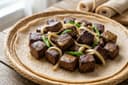
 🇮🇳 INAI-generated image
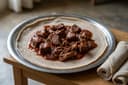
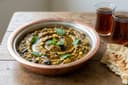
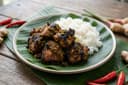
A robust, slow-cooked North Indian beef curry where meat is sautéed in its own juices and spices until tender and deep brown. It is a masterclass in the 'bhuna' technique of dry-frying spices.
Ingredients
check them off as you prepareHow to Make It
- 1
Marinate 1kg cubed beef with yogurt, turmeric, and chili powder for at least 30 minutes.
- 2
Heat oil in a heavy-bottomed pot and fry 3 sliced onions until deep golden brown.
- 3
Add 2 tbsp ginger paste and garlic paste to the onions, sautéing until fragrant, about 2 minutes.
- 4
Add the marinated beef to the pot, increasing the heat to sear the meat until it browns.
- 5
Stir in coriander powder, cumin, and garam masala, coating the meat thoroughly.
- 6
Pour in a splash of water, cover, and simmer on low heat for 60-70 minutes until meat is fork-tender.
- 7
Remove the lid and increase heat to 'bhuna' (dry fry), stirring constantly to evaporate excess liquid.
- 8
Continue stirring until the oil separates from the masala and the meat is deeply caramelized.
Frequently Asked Questions
What is Bhuna Gosht?+
Bhuna Gosht is an Indian meat dish prepared by slow-cooking beef with yogurt, onions, ginger, garlic, and spices. It is typically consumed as a main course with flatbreads or rice during lunch or dinner.
What is the best cut of beef to use for Bhuna Gosht?+
Use stewing beef cuts like chuck or shoulder, which contain enough fat and connective tissue to become tender during the long 'bhuna' (slow-frying) process.
How do I know when the meat is properly 'bhuna'?+
The dish is ready when the oil begins to separate from the onion and spice paste, indicating that the water has evaporated and the beef is perfectly caramelized.
Should I brown the beef before adding the onions?+
Yes, searing the beef pieces in hot oil first seals in the juices and develops a deeper flavor foundation before the onions are added to create the thick masala base.
Can I substitute ginger paste for fresh ginger?+
While ginger paste works in a pinch, freshly grated ginger provides a more pungent, aromatic heat that is essential for the authentic, bold flavor profile of Bhuna Gosht.
🇮🇳 INAI-generated imageMundo Match
Dishes across the world that share Bhuna Gosht's core ingredients.