🇪🇹 Ethiopia · Food
Kik Wat
By eatmundo · September 8, 2026
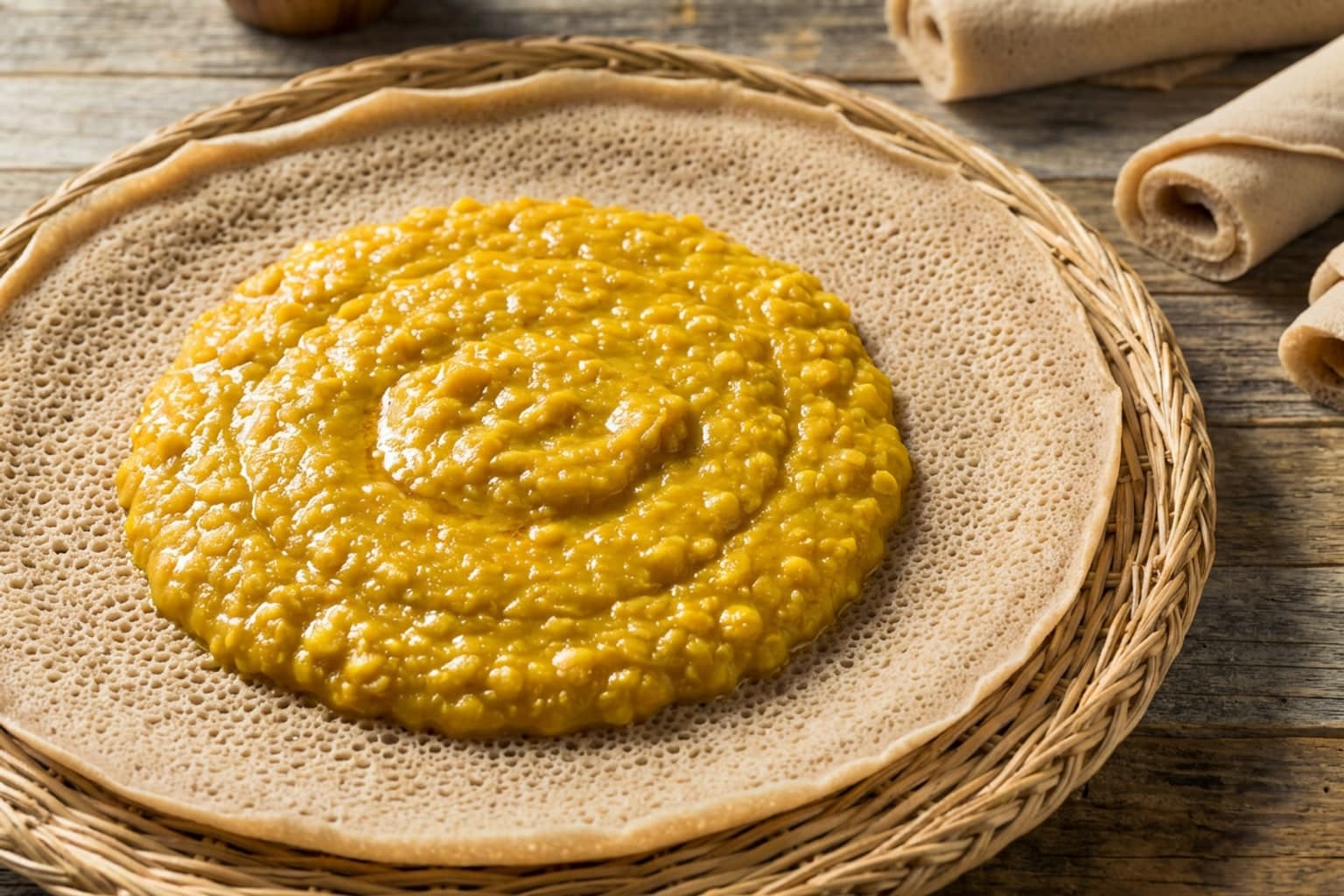 🇪🇹 ETAI-generated image
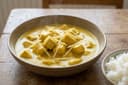
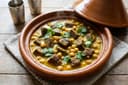
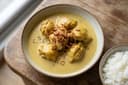
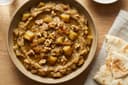
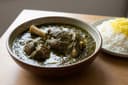
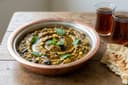
A mild and golden Ethiopian lentil dish made from yellow split peas simmered with turmeric and niter kibbeh. This smooth, protein-rich stew is a cornerstone of the traditional vegetarian platter.
Ingredients
check them off as you prepareHow to Make It
- 1
Rinse 250g of yellow split peas under cold water until the water runs clear and set aside.
- 2
Finely mince 2 onions and sauté in a medium pot over medium heat for 8 minutes until translucent.
- 3
Add 50g of niter kibbeh, 3 crushed garlic cloves, and 1 teaspoon of freshly grated ginger to the onions, cooking for 2 minutes.
- 4
Stir in 1 teaspoon of turmeric to create a vibrant golden base, cooking for 30 seconds to activate the spice.
- 5
Add the split peas and stir to coat them thoroughly with the aromatic spice base.
- 6
Pour in 600ml of water and bring to a gentle boil, then immediately reduce the heat to low.
- 7
Cover and simmer for 35 to 40 minutes, stirring occasionally, until the peas have broken down into a soft, creamy consistency.
- 8
Stir in 1 teaspoon of salt and adjust the thickness with a splash of water if needed, then serve warm.
Frequently Asked Questions
What is Kik Wat?+
Kik Wat is a mild, yellow Ethiopian lentil stew made from yellow split peas. It is flavored with turmeric, ginger, and spiced butter, offering a creamy and comforting texture.
How do I ensure the peas don't become mushy?+
Monitor the cooking closely toward the end of the 40-minute window; if they are too soft, reduce the heat and keep the lid off for a few minutes to evaporate excess moisture.
Can I use green split peas?+
While green split peas have a similar nutritional profile, yellow split peas are essential for the characteristic color and sweet flavor profile of Kik Wat.
What if it gets too thick?+
Lentils naturally thicken as they cool; simply add a tablespoon of hot water at a time until you reach your desired consistency before serving.
Is it traditionally served alone?+
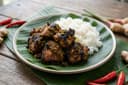
Kik Wat is rarely served alone; it is almost always one of several components on a large platter of Injera, alongside other stews like Doro Wat or Gomen.
🇪🇹 ETAI-generated image