Similar dish, different countries
Your dish has a counterpart somewhere in the world.
Tap a dish to see its counterpart. Then take one more step and travel the world.
The selection changes every day.
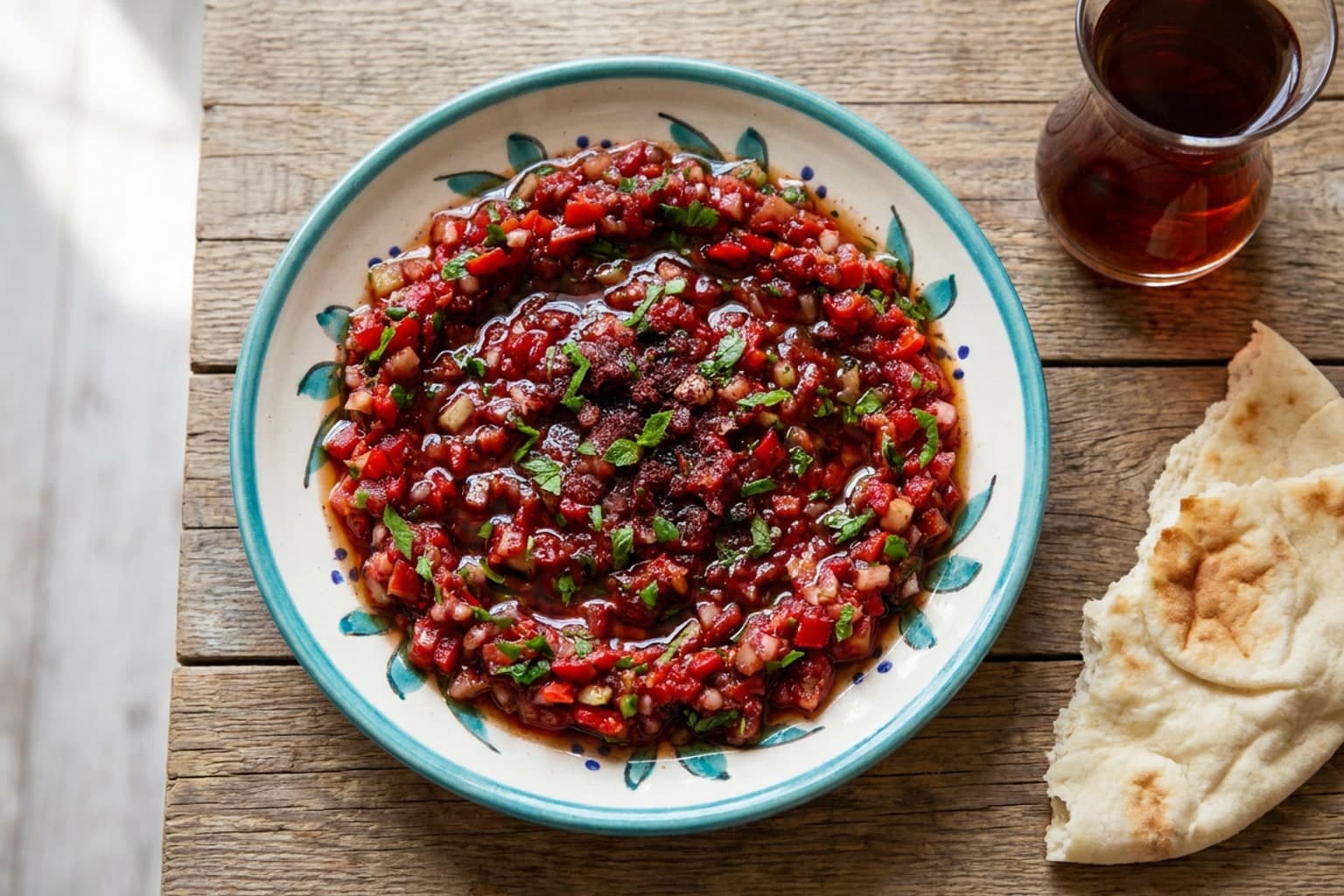
Güveç → Ratatouille: 83% ingredients in common


Where would you like to start?
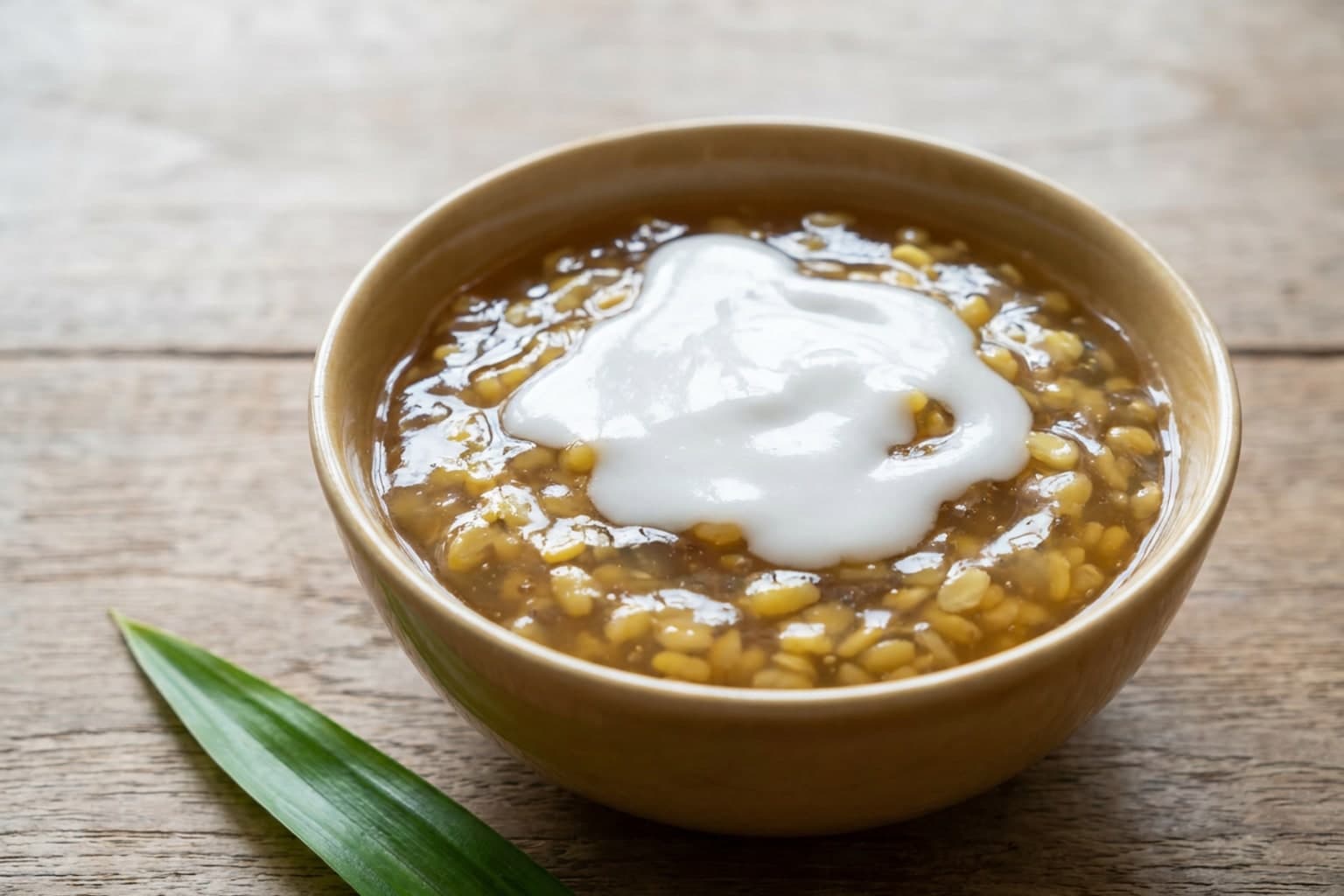
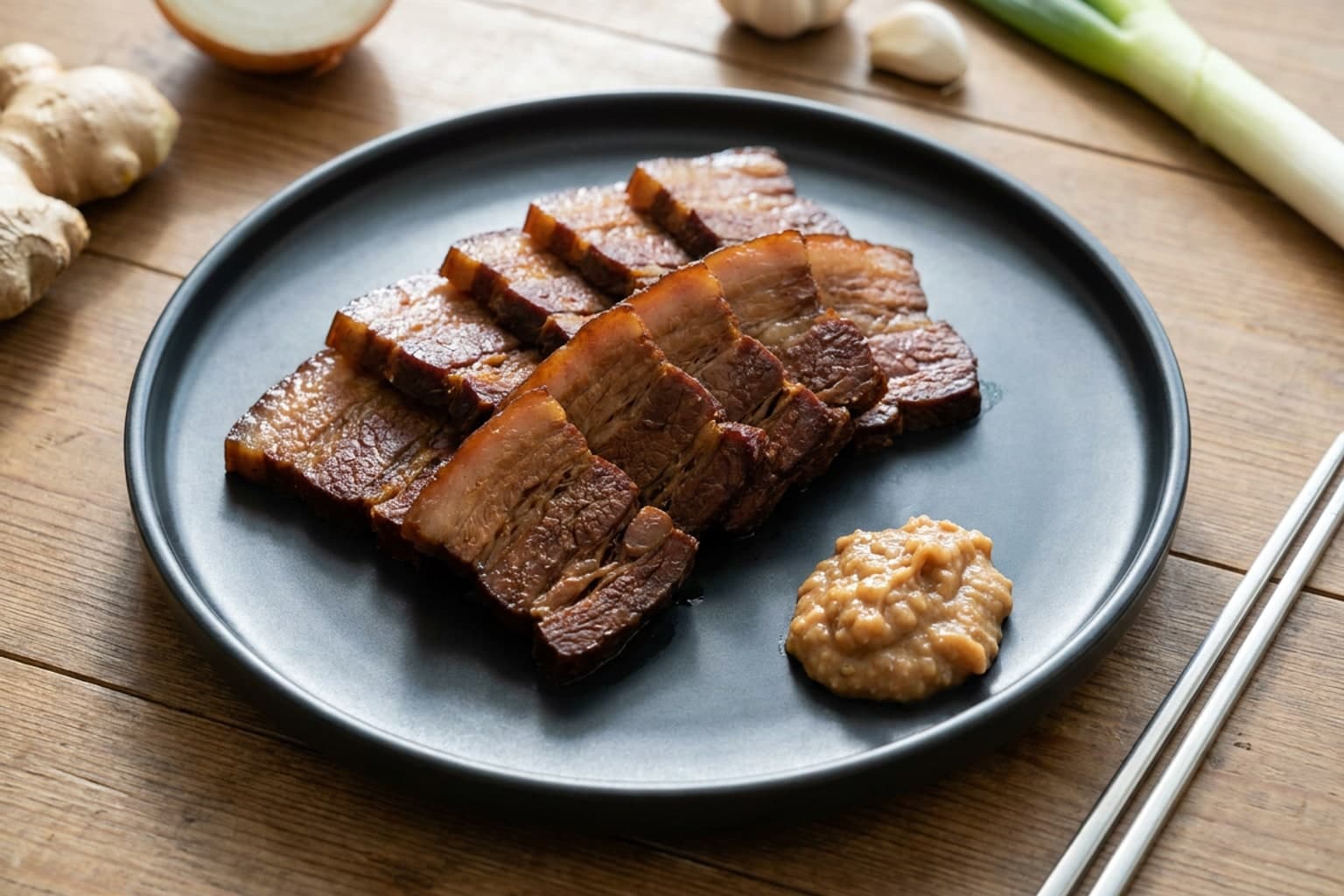


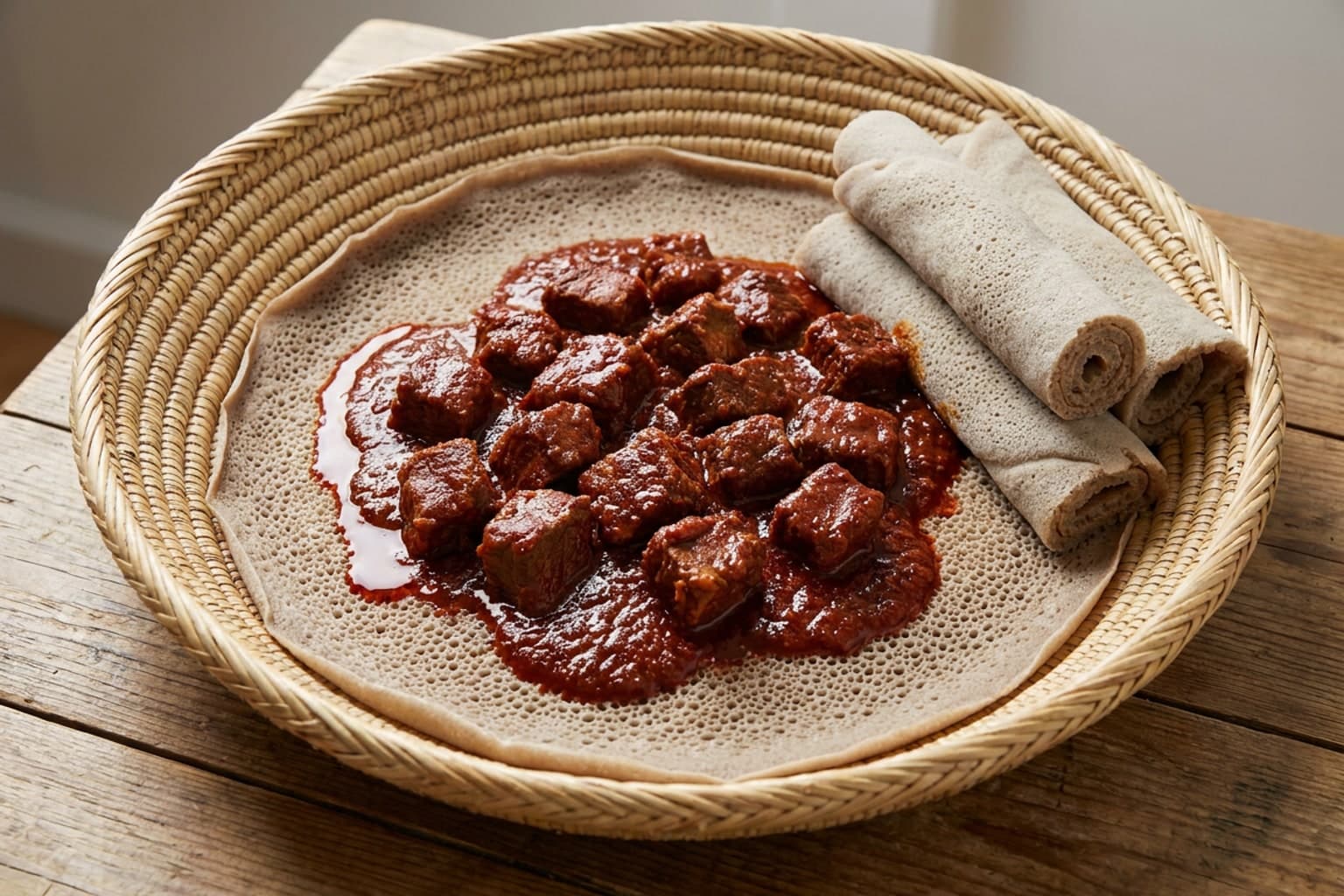
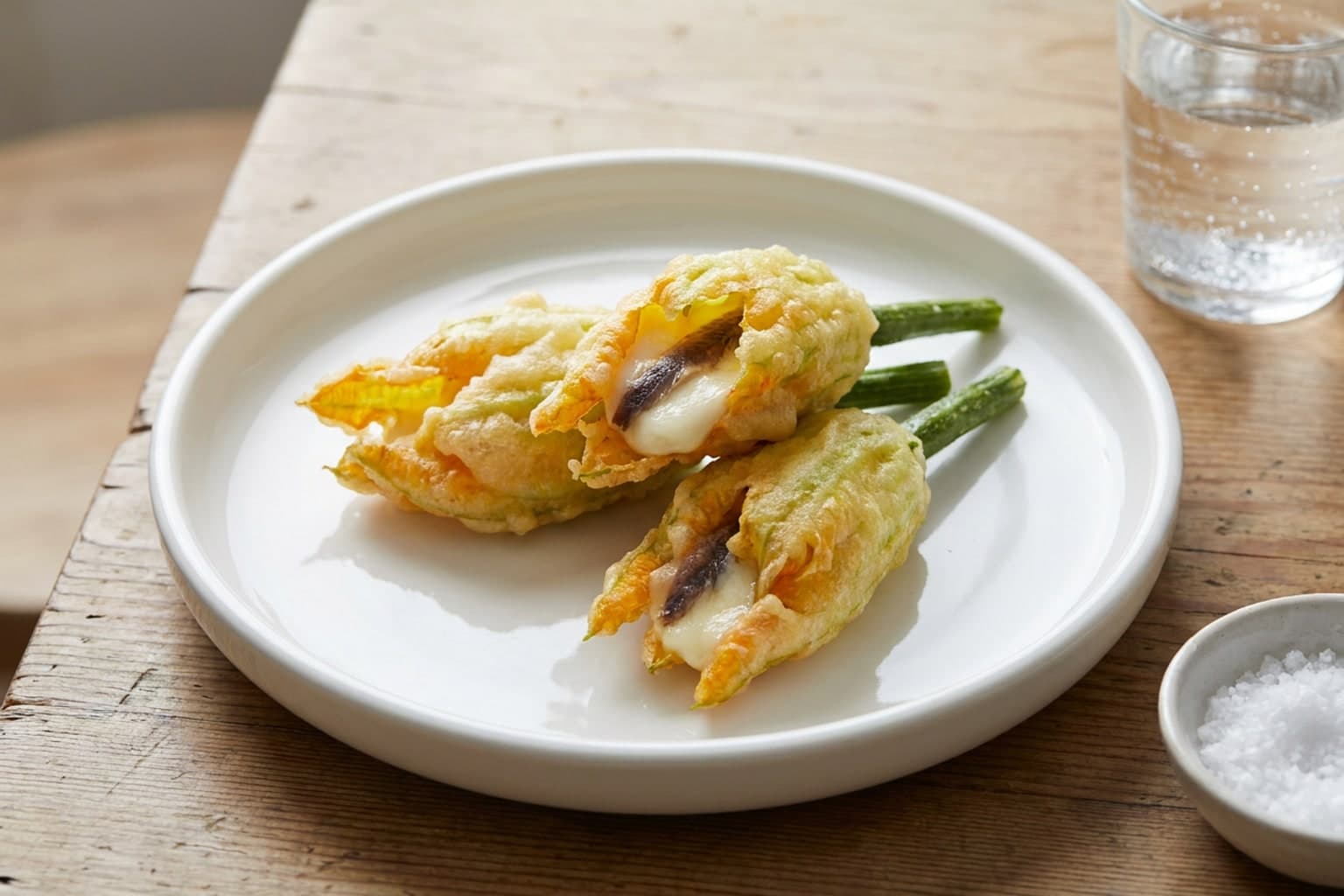

There are two ways a dish can have a twin somewhere in the world
Most recipe sites search by ingredient. We measure two axes at once — and they often point to different dishes.
Same ingredients, worlds apart
Each row is a pair: two dishes, and the ingredient overlap between them.
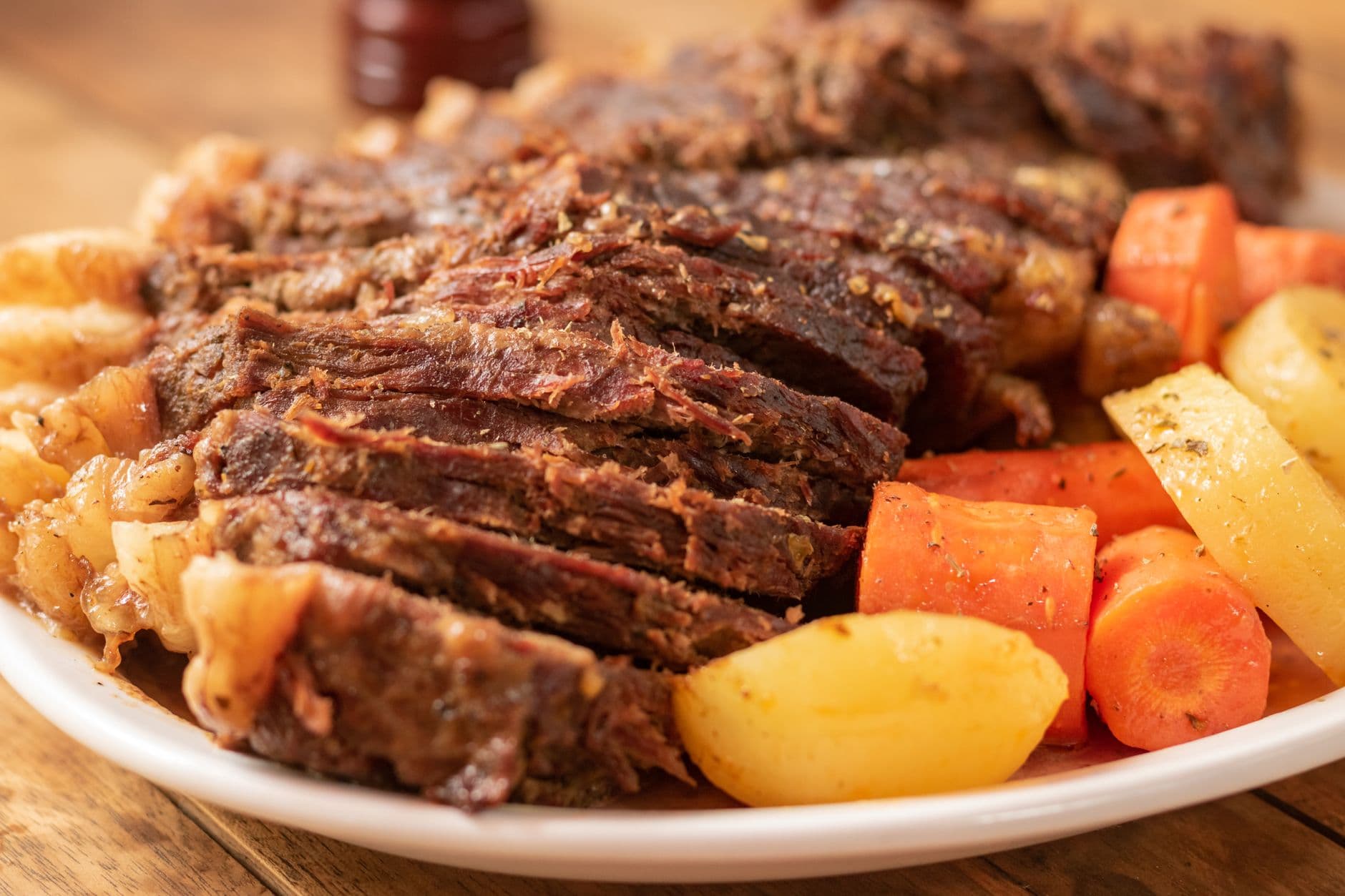
Corned Beef Hash100%Corned Beef HashSocca: Crispy Niçoise Chickpea Pancake100%Farinata di CeciSheikh El Mahshi62%Baingan BhartaTurkish Baked Rice Pudding62%Mexican Arroz con LecheThese pairs are picked again from the corpus every day.
All 8,941 matches are computed on this axis.
Same technique, different ingredients
No pairs here — these dishes gather around a single technique.
The percentages are ingredient overlap with Enginar Dolması. The last one is 0% — the first axis does not count it as a match at any threshold. The second axis finds it.
Behind some matches there is real history
We research and write about the connections the data shows — coincidence, or shared heritage?
The Bitter Solution: Convergent Evolution in Honey Ferments
· Surprising coincidenceLayers of History: The Custard Pastries of the Aegean
· Historical connectionFish-Shaped Delights: Exploring the History of Taiyaki and Bungeoppang
· Historical connectionFrom Scones to Biscuits: A Transatlantic Bread Journey
· Historical connectionQuestions about eatmundo
What is eatmundo?
eatmundo is a cross-cuisine dish database: 1,919 recipes from 26 countries, connected by the ingredients and cooking techniques they share — so for any dish you can see its counterpart in another cuisine, and the evidence behind the match. It is free, works in seven languages and needs no account.
How does eatmundo decide that two dishes are counterparts?
Every ingredient in every recipe is linked to a single canonical ingredient, so "aubergine", "eggplant" and "patlıcan" count as the same thing. Dishes from different countries are then compared in two ways: by the share of ingredients they have in common, and by whether they are made with the same technique — two stews, two stuffed vegetables, two fried doughs. The percentage shown on a match is that ingredient overlap; there are 8,941 such matches, each linking dishes from two different countries.
Can I compare two dishes side by side?
Yes. Every recipe page lists its closest dishes from other cuisines, and many pairs have their own comparison page that sets out what the two dishes share and where they differ.
Where do the recipes come from?
Dish names, countries and photos are real: each photo is a licensed image, with its author and licence shown on the recipe page. Ingredient lists and steps are written and checked by a language model; measured against reference recipes, they agree about 93% of the time. Treat them as a carefully checked starting point.
Can I use eatmundo's data?
The aggregate ingredient-overlap dataset is openly published under CC BY 4.0, and AI assistants can query the dish database directly through the eatmundo MCP server. Recipe texts may be quoted with attribution; bulk reproduction needs permission, and photos carry their own third-party licences.



Keep what you build
Weekly menus, shopping lists and the recipes you liked stay with you on every device. No password — we email you a link.