By eatmundo · July 5, 2026
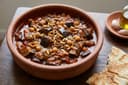
 🇹🇷AI-generated image
Same ingredients, elsewhere in the world
37 matchesDishes from other countries' kitchens, made from the same core ingredients as Güveç (Turkish Clay Pot Stew). The percentage is the share of ingredients the two recipes have in common.
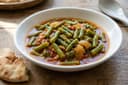
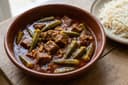
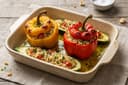
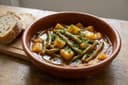
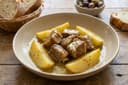
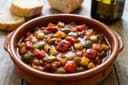
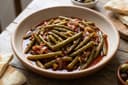
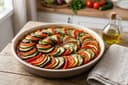 RatatouilleIn France · same ingredients· Same technique83%
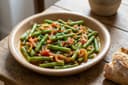
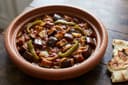 Torly (Egyptian Vegetable Bake)In Egypt · same ingredients76%
 Briam: Hearty Greek Baked Mixed VegetablesIn Greece · same ingredients70%
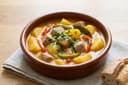
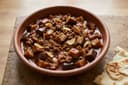
Güveç is a hearty and aromatic Turkish stew, traditionally slow-cooked in an earthenware pot, blending succulent pieces of meat (often lamb or beef) with a medley of fresh seasonal vegetables like eggplant, zucchini, and tomatoes. The long, gentle cooking process allows the flavors to deepen and intertwine, resulting in a wonderfully tender and flavorful dish.
According to eatmundo's ingredient comparison, the closest dish to Güveç from another cuisine is Ratatouille (France): the two share 83% of their ingredients.
Ingredients
tick what you already have - the rest goes on your shopping listHow to Make It
- 1
Preheat your oven to 180°C (350°F). Cut 500 grams of lamb or beef into 2-3 cm cubes. Prepare your vegetables: dice 2 medium onions, chop 2 bell peppers (any color), 2 medium potatoes, 1 large eggplant, and 1 medium zucchini into similar 2-3 cm pieces. Mince 3-4 cloves of garlic.
- 2
In a large bowl, combine the cubed meat with the chopped onion, bell peppers, potatoes, eggplant, zucchini, and minced garlic. Add 3 tablespoons of olive oil, 2 tablespoons of tomato paste, 1 teaspoon of salt, 1/2 teaspoon of black pepper, and 1 teaspoon of dried thyme. Mix everything thoroughly to coat evenly.
- 3
Transfer the seasoned meat and vegetable mixture into a large clay pot (güveç) or a sturdy oven-safe casserole dish (approximately 3-4 liter capacity). Distribute the ingredients evenly.
- 4
Pour in 300ml of hot water, making sure it reaches about halfway up the ingredients. Slice the 400g of fresh tomatoes and arrange them over the top for color and flavor.
- 5
Cover the güveç tightly with its lid or aluminum foil. Place it into the preheated oven and bake for 1.5 to 2 hours, or until the meat is fork-tender and the vegetables are soft. Cooking time may vary slightly with your oven and pot, so check for tenderness.
- 6
After the initial cooking, remove the lid or foil and increase the oven temperature to 200°C (390°F). Bake for an additional 15-20 minutes, or until the top is slightly browned and caramelized, giving it a lovely finish.
- 7
Carefully remove the güveç from the oven. Let it rest for 10-15 minutes before serving directly from the pot. This allows the flavors to settle. Garnish with fresh parsley if desired and serve hot with plain rice or crusty bread.
Frequently Asked Questions
What is Güveç?
Güveç is a Turkish stew of lamb and vegetables cooked in an earthenware pot. It combines cubed lamb with eggplant, zucchini, potatoes, peppers, onions, garlic, tomatoes and tomato paste, seasoned with olive oil and thyme. It is typically eaten as a hearty main course at lunch or dinner.
Which type of meat is best for a flavorful Güveç?
For an authentic and rich Güveç, use lamb or beef stew meat like chuck, cut into 1 to 1.5-inch cubes. These cuts become incredibly tender and flavorful during the slow cooking process.
Can I make Güveç without a traditional clay pot, and what temperature should I use?
Yes, a heavy-bottomed Dutch oven or a deep casserole dish with a lid works perfectly. Bake covered in an oven preheated to 180°C (350°F) for gentle, even simmering. Then uncover and finish at 200°C (390°F) for 15-20 minutes to brown the top.
How can I prevent the eggplant in Güveç from becoming bitter or watery?
To avoid bitterness and a soggy texture, salt the cut eggplant pieces and let them sit for 30 minutes before rinsing thoroughly and patting dry. This draws out excess moisture.
How do I know when my Güveç is perfectly cooked, and what is a traditional accompaniment?
Your Güveç is ready when the meat is fork-tender and all the vegetables are soft and fully flavored. It's traditionally served hot with rice pilaf or crusty bread to absorb the rich sauce.
🇹🇷AI-generated image