Fish-Shaped Delights: Exploring the History of Taiyaki and Bungeoppang
The dishes
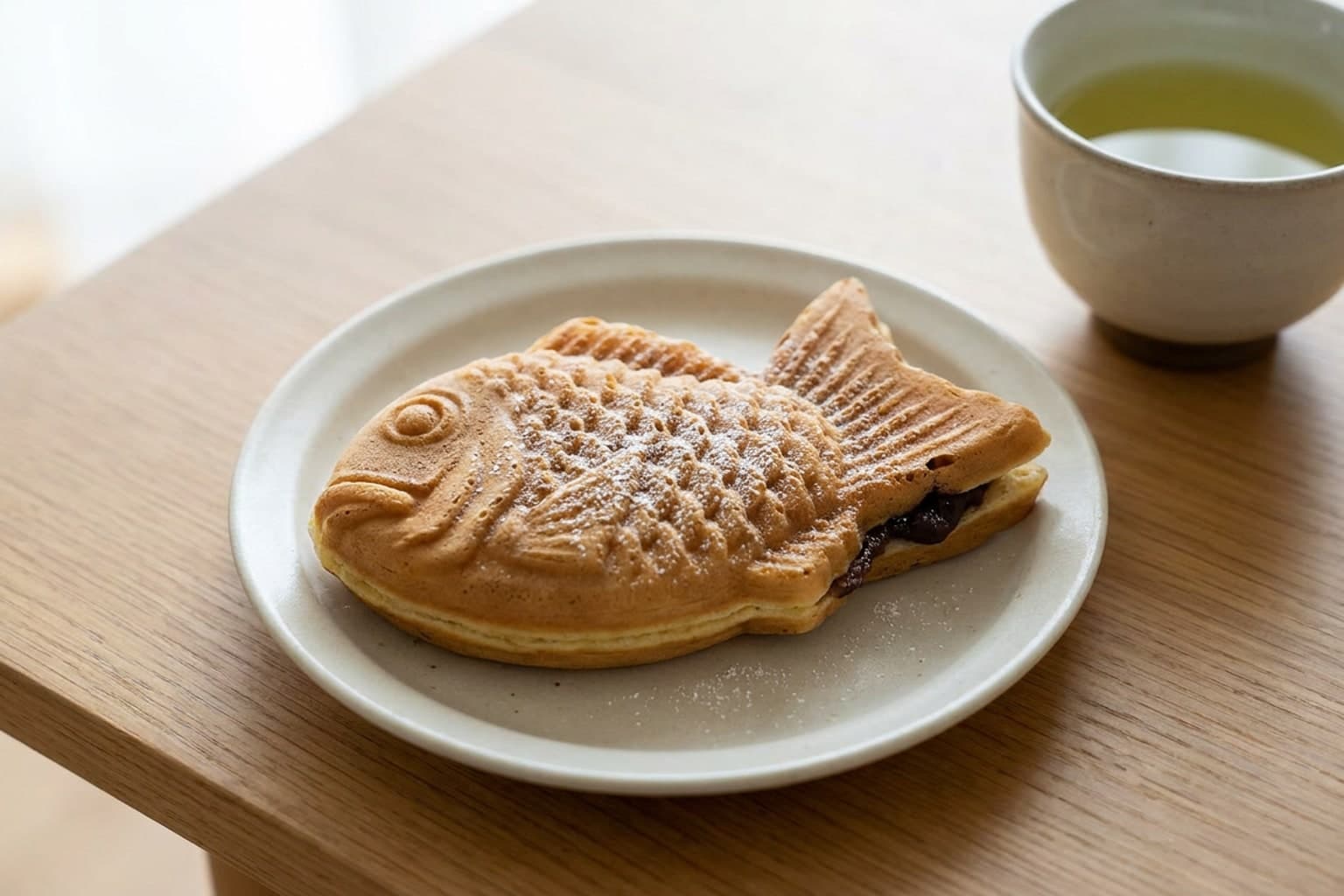 🇯🇵 JP
🇯🇵 JP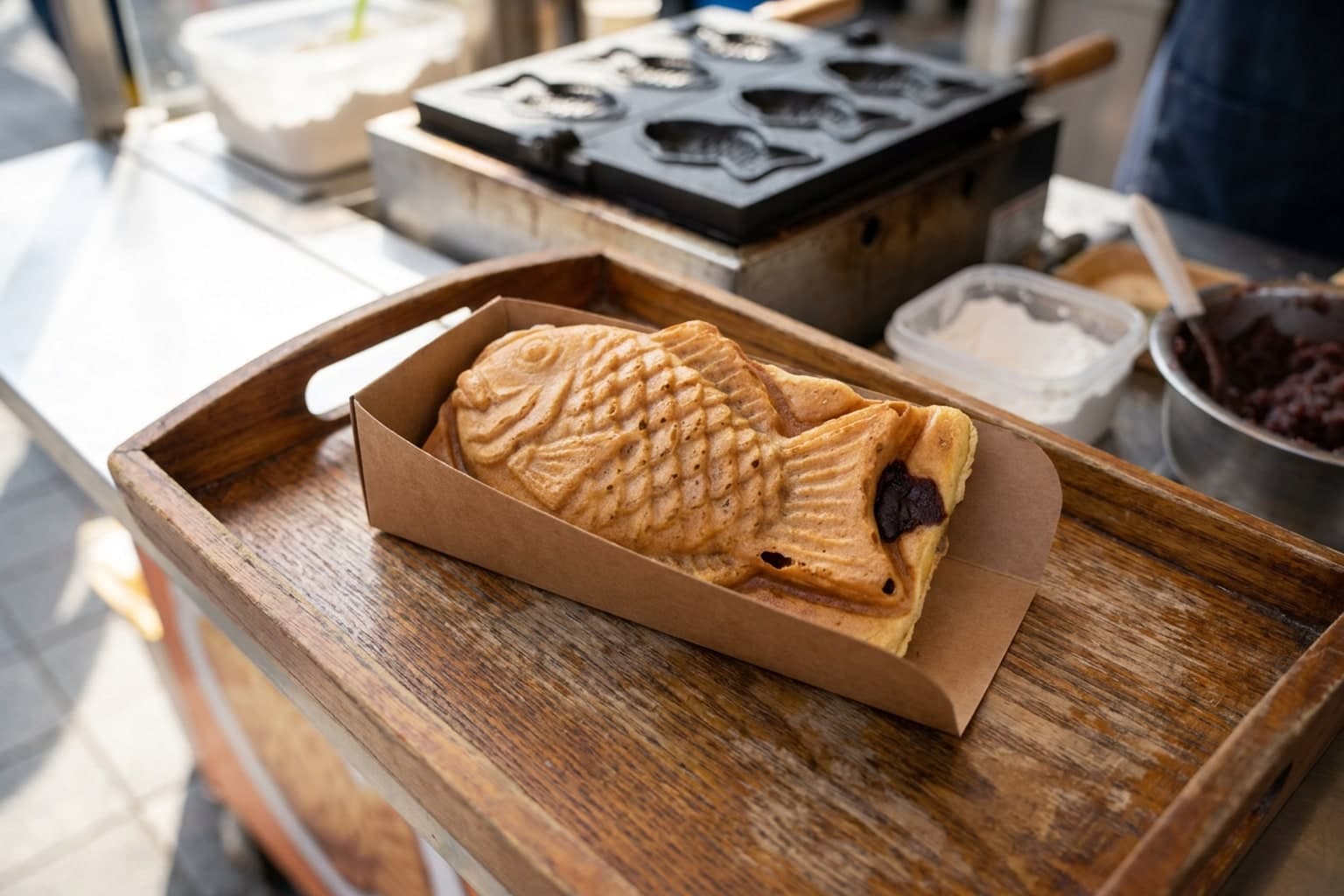 🇰🇷 KR
🇰🇷 KRIn the bustling street markets of East Asia, few snacks are as instantly recognizable as the golden, fish-shaped cakes filled with warm, sweet red bean paste. Whether you are walking through the historic districts of Tokyo or the vibrant alleyways of Seoul, the irresistible aroma of batter cooking in a metal mold is a shared sensory experience. While taiyaki in Japan and bungeoppang in Korea are often viewed as distinct local treasures, their histories are inextricably linked by the tides of regional interaction that have shaped the culinary landscape of the entire continent.
Taiyaki, which literally translates to fried sea bream, emerged in Japan during the Meiji era. The sea bream, or tai, has long been a symbol of good luck and fortune in Japanese culture, traditionally served at celebrations. By crafting a cake in the shape of this auspicious fish, vendors created an accessible, portable treat that captured the spirit of a festival in every bite. Using a simple batter of all-purpose flour, milk, egg, and sugar, these cakes are cooked in heavy iron molds until the exterior is crisp and the interior remains soft and steaming.
The beauty of taiyaki lies in its perfection of the balance between texture and taste. The sweet red bean paste, known as anko, provides a dense, earthy sweetness that contrasts beautifully with the airy, pancake-like structure of the surrounding pastry. Over the decades, this Japanese specialty became a fixture of street food culture, evolving from a regional novelty into a symbol of nostalgic comfort that remains popular in Japanese confectionery shops today.
Across the sea, Korea developed its own beloved version of this treat, known as bungeoppang. The name itself signifies the shape of a crucian carp, a common fish found in Korean waterways. Much like its Japanese counterpart, the bungeoppang recipe relies on fundamental pantry staples like milk, all-purpose flour, eggs, sugar, and baking powder to create a light and satisfying pastry. It is a snack defined by its warmth, serving as a vital comfort food during the chilly winter months when street vendors are most active.
The historical connection between these two dishes is firmly rooted in the era of Japanese rule over the Korean peninsula during the early 20th century. During this period of expanded regional interaction, many culinary traditions and infrastructure models were introduced or adapted across borders. The specific mechanism of transfer involved the migration of the distinct fish-shaped iron molds and the accompanying techniques for batter preparation. As the style of taiyaki gained popularity in regional urban centers, local Korean entrepreneurs began adopting the technique, tailoring the shape and filling to resonate with local tastes and nomenclature.
While the initial introduction occurred during the early 1900s, bungeoppang underwent its most significant transformation during the mid-20th century, particularly in the post-war era. During times of economic shifts and limited resources, the humble bungeoppang became an affordable, calorie-dense snack that provided a reliable meal for working families. It transitioned from a novelty pastry into a ubiquitous street food, cementing its place in the modern Korean culinary lexicon as a distinct local identity that stands firmly on its own merit.
The evolution of these pastries illustrates a broader truth about food history: techniques and recipes are often living artifacts of human movement. The shared reliance on ingredients like vegetable oil, sugar, and baking powder highlights how global culinary standards intersect with local agricultural availability. While the names and the species of fish they represent differ, the shared DNA of these treats remains a testament to the influence of regional connectivity throughout history.
Ultimately, both taiyaki and bungeoppang serve as a reminder that the story of a dish is never purely linear. By appreciating the historical interplay between Japan and Korea, we gain a deeper respect for these simple, delicious snacks. Whether you enjoy them with a traditional red bean filling or modern variations like custard or chocolate, every bite is a continuation of a story that began over a century ago, bridging nations through the universal language of comfort food.