🇩🇪 Germany · Dessert
German Plum Cake (Pflaumenkuchen)
By eatmundo · July 6, 2026

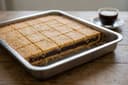
A beloved autumn classic, Pflaumenkuchen is a delightful sheet cake adorned with ripe, juicy plums, often arranged in a beautiful, overlapping pattern. Baked on a buttery shortcrust, it’s a perfect balance of sweet and tart, especially delicious with a dollop of whipped cream.
Ingredients
check them off as you prepareHow to Make It
- 1
Prepare the plums: Wash 1 kg of firm plums, halve them, and carefully remove the pits. If desired, score each half a few times without cutting through to help them release juice and soften during baking. Set aside.
- 2
Make the shortcrust pastry: In a large bowl, combine 250g flour, 75g sugar, 1 tsp baking powder, and 1 pinch of salt. Add 125g cold, diced butter and 1 medium egg. Quickly work the ingredients with your hands or a stand mixer until a smooth dough forms. Avoid overworking.
- 3
Prepare the baking sheet: Roll out the dough directly onto a sheet of parchment paper to fit a standard baking sheet (approximately 30x40 cm or 12x16 inches). Carefully transfer the parchment paper with the dough to the baking sheet. You can create a small edge (about 1 cm) around the perimeter if you like.
- 4
Arrange the plums: Preheat your oven to 180°C (350°F) conventional heat. Arrange the halved plums tightly on top of the dough, cut-side up, in neat, overlapping rows. Don't worry if they seem very close; they will shrink slightly as they bake.
- 5
Bake the cake: Sprinkle 2 tbsp of sugar and 1 tsp of cinnamon evenly over the plums. Place the baking sheet in the preheated oven and bake for 40-45 minutes. The plums should be tender, and the pastry edges golden brown. The aroma of baked plums and cinnamon will fill your kitchen!
- 6
Cool and serve: Once baked, remove the Pflaumenkuchen from the oven and let it cool completely on the baking sheet on a wire rack. This allows the plum juices to set. Cut into squares and serve plain, or traditionally with a dollop of freshly whipped cream. Enjoy this taste of German autumn!
Frequently Asked Questions
What is Pflaumenkuchen?+
Pflaumenkuchen is a German dessert consisting of a yeast or shortcrust base topped with sliced plums, sugar, and cinnamon. It is typically consumed as a seasonal afternoon treat during the late summer and autumn harvest.
Which type of plums are best suited for German Plum Cake, and why?+
Firmer, less watery plum varieties like Italian prune plums (Zwetschgen in German) are ideal. Their lower water content prevents the cake from becoming soggy and their tartness complements the sweet cake.
How can I tell when my Pflaumenkuchen is perfectly baked and not undercooked?+
The cake is done when the crust is golden brown and a toothpick inserted into the cake part (not the plum layer) comes out clean. The plums should be tender but still hold their shape.
What's a common trick to prevent the bottom of the plum cake from becoming soggy?+
To absorb excess moisture, sprinkle a thin layer of fine breadcrumbs or ground nuts (like almonds) over the dough before arranging the plums. Baking on a lower rack can also help crisp the bottom.
Can German Plum Cake be made in advance, and what's the best way to store it?+
Pflaumenkuchen tastes best on the day it's baked, but it can be stored at room temperature for up to 2 days, loosely covered. For longer storage, refrigerate for up to 4 days or freeze individual slices for up to 3 months.
Mundo Match
Dishes across the world that share German Plum Cake (Pflaumenkuchen)'s core ingredients.