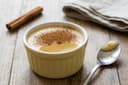
By eatmundo · July 6, 2026

Same ingredients, elsewhere in the world
50 matchesDishes from other countries' kitchens, made from the same core ingredients as German Cheesecake (Käsekuchen). The percentage is the share of ingredients the two recipes have in common.
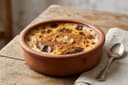
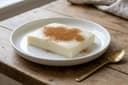
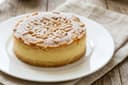
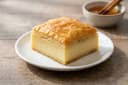
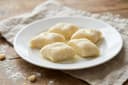
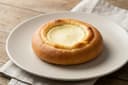 VatrushkaIn Russia · same ingredients75%
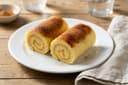
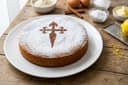
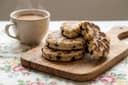
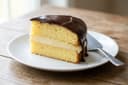
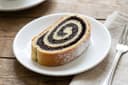
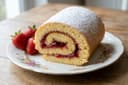 Gypsy's Arm Cake Roll (Swiss Roll)In Spain · same ingredients74%
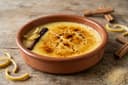
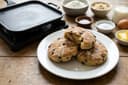
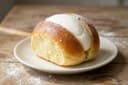
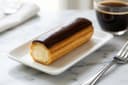
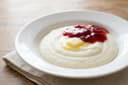
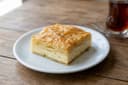 Laz BöreğiIn Türkiye · same ingredients71%
Unlike its denser American cousin, German Käsekuchen is famously light and airy, made with Quark cheese for a tangy, creamy filling set on a delicate shortcrust pastry. A true coffee cake classic, it's less sweet and incredibly refreshing, perfect for "Kaffee und Kuchen" time.
According to eatmundo's ingredient comparison, the closest dish to German Cheesecake from another cuisine is Vatrushka (Russia): the two share 75% of their ingredients.
Ingredients
tick what you already have - the rest goes on your shopping listHow to Make It
- 1
Prepare the dough: In a large bowl, combine 200g flour, 70g sugar, 0.5 tsp grated lemon zest, and 1 pinch of salt. Add 100g cold, diced butter and 1 egg yolk. Quickly work the mixture with your hands until it forms a smooth dough. Wrap in cling film and refrigerate for 30 minutes.
- 2
Preheat oven and prepare springform: Preheat your oven to 175°C (350°F) conventional heat. Grease and flour a 26cm (10-inch) springform pan. Roll out two-thirds of the chilled dough and use it to line the bottom of the prepared pan. Roll out the remaining dough into a strip to form a 3-4 cm (1.5-inch) edge around the side of the pan.
- 3
Make the Quark filling: In a large bowl, combine 750g low-fat Quark, 150g sugar, 1 tsp vanilla extract, and 1 tsp grated lemon zest. Mix until well combined. Gradually beat in 3 large eggs, one at a time, ensuring each is fully incorporated before adding the next.
- 4
Add thickeners and fat: In a separate small bowl, whisk 40g cornstarch with 50ml milk until smooth. Pour this mixture into the Quark filling. Gently fold in 50g melted butter until just combined. Be careful not to overmix, as this can make the cheesecake tough.
- 5
Bake the cheesecake: Pour the Quark filling into the prepared springform pan. Smooth the top with a spatula. Place the cheesecake on the middle rack of your preheated oven and bake for 60-70 minutes. The center should still have a slight wobble when gently shaken, as it will continue to set as it cools.
- 6
Cool and serve: Turn off the oven, prop the door open slightly with a wooden spoon, and let the cheesecake cool slowly inside the oven for another 30 minutes to prevent cracking. Then remove from the oven and let it cool completely on a wire rack before refrigerating for at least 4 hours, or preferably overnight, for best texture and flavor. Serve chilled.
Frequently Asked Questions
What is Käsekuchen?
Käsekuchen is a German dessert consisting of a baked custard filling made primarily from quark, eggs, sugar, and cornstarch. It is typically served as a slice during afternoon coffee service, often prepared with a shortcrust pastry base.
What can I use if I can't find quark for German Cheesecake?
If quark is unavailable, a good substitute is a blend of full-fat ricotta cheese (drained well) and sour cream or full-fat Greek yogurt, usually in a 2:1 ratio (ricotta to sour cream/yogurt) to achieve a similar tang and texture. Alternatively, you can make your own by curdling milk with lemon juice and draining it.
How can I prevent my German Cheesecake from cracking on top?
To prevent cracking, do not overmix the filling once the eggs and cornstarch are added, and avoid overbaking: take the cake out of the heat while the center still wobbles slightly. Then let it cool very slowly in the switched-off oven with the door propped ajar before transferring it to a wire rack.
How do I know when the German Cheesecake is perfectly baked?
The cheesecake is done when the edges are set and lightly golden, but the center (about 2-3 inches in diameter) still has a slight wobble when gently shaken. It will continue to set as it cools.
How can I prevent the crust of my Käsekuchen from becoming soggy?
To avoid a soggy crust, keep the dough well chilled and roll it thin and even. Pour in the filling only just before the cake goes into the oven, and bake it on the middle rack for the full time. Let the cake cool completely and chill it for several hours or overnight before serving, which helps the crust firm up.