Turkish Baked Rice Pudding (Sütlaç) vs German Cheesecake (Käsekuchen)
See how these two dishes stack up, ingredient by ingredient.
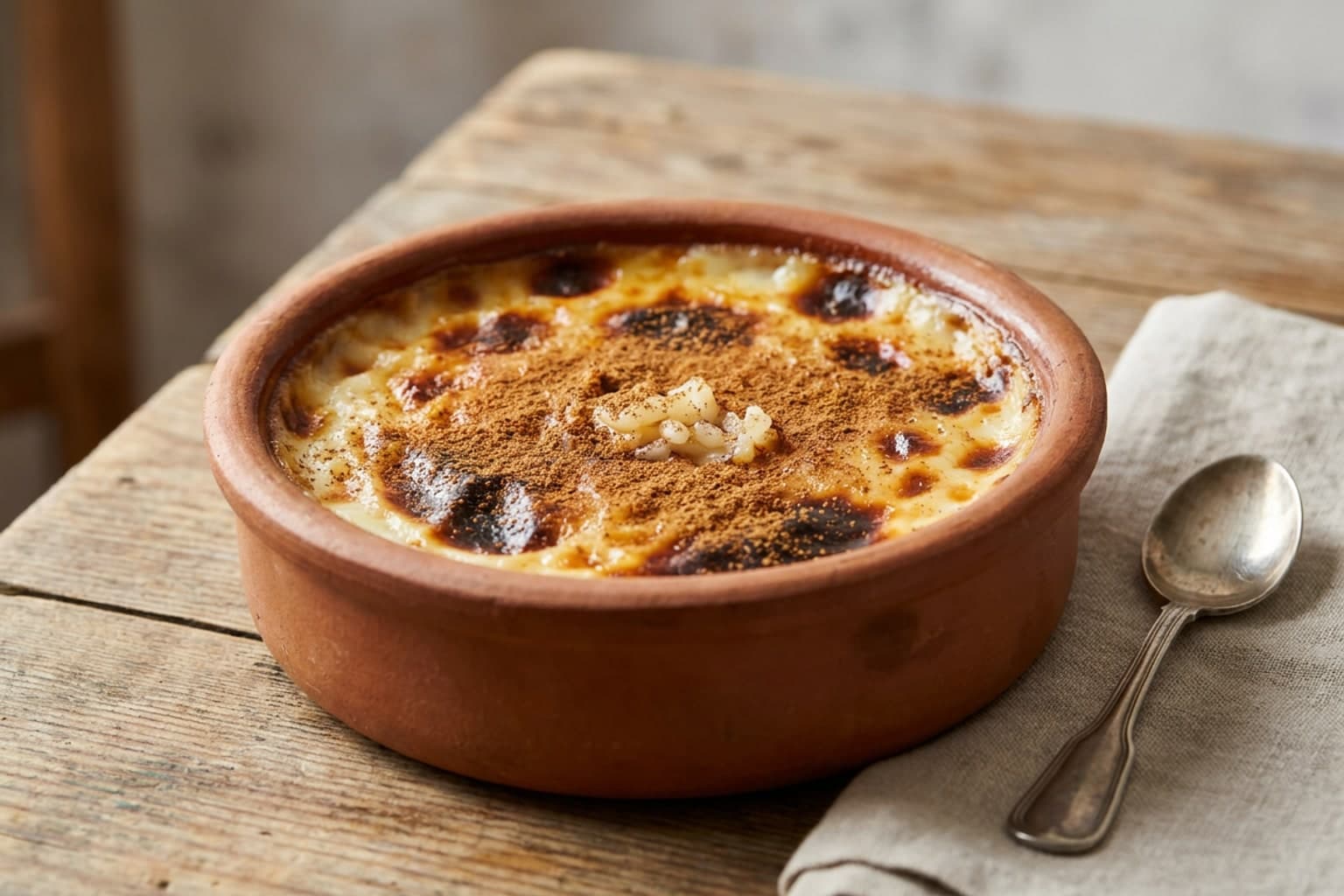 🇹🇷 TR
🇹🇷 TRTurkish Baked Rice Pudding (Sütlaç)
View full recipe → 🇩🇪 DE
🇩🇪 DEGerman Cheesecake (Käsekuchen)
View full recipe →63%mundo
Sütlaç and Käsekuchen both utilize a base of milk, vanilla, and starch to achieve their signature creamy foundations, yet they diverge sharply in texture and profile. Sütlaç centers on the soft, starch-thickened chew of rice paired with a delicate cinnamon aroma, while Käsekuchen relies on the tangy density of quark and citrus zest for a structured, indulgent mouthfeel. While both use egg yolks for richness, the Turkish dessert highlights a silky, pudding-like consistency, whereas the German cheesecake leans into a firm, baked crumb.
Prep time, calories & servings
Turkish Baked Rice Pudding (Sütlaç)
⏱ 20 min
Quicker than a pizza delivery
🔥 280 kcal
Nicely balanced
🍽 4 servings
Great for the family
German Cheesecake (Käsekuchen)
⏱ 30 min
A relaxed effort
🔥 400 kcal
Nicely balanced
🍽 12 servings
Feeds a crowd
What they have in common
Milk
Milk
Vanilla
Vanilla extract
Cornstarch
Cornstarch
Sugar
Sugar
Egg yolk
Egg yolk
What's different
Only in Turkish Baked Rice Pudding (Sütlaç)
- Rice
- Cinnamon
Only in German Cheesecake (Käsekuchen)
- Quark
- Butter
- Egg
- Lemon zest