🇪🇸 Spain · Dessert
Piononos de Santa Fe (Granada Sponge Cakes)
By eatmundo · July 7, 2026
 🇪🇸 ESAI-generated image
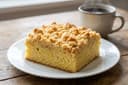
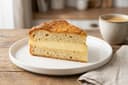
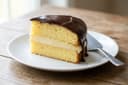
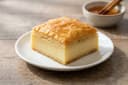
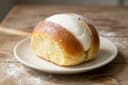
Originating from Santa Fe near Granada, Piononos are small, exquisite sponge cakes soaked in a sweet syrup, topped with a creamy custard and toasted cream. These delightful pastries are a testament to Andalucía's rich Moorish past and a true Spanish dessert classic, offering a perfect balance of textures and flavors.
Ingredients
check them off as you prepareHow to Make It
- 1
Preheat your oven to 180°C (350°F). For the sponge cake, separate 4 large eggs. Beat the egg whites with 50g of sugar until stiff peaks form. In another bowl, beat the egg yolks with another 50g of sugar until pale and fluffy. Gently fold the egg whites into the yolk mixture, then carefully fold in 60g of sifted all-purpose flour until just combined, being careful not to deflate the mixture.
- 2
Spread the sponge cake batter evenly onto a baking sheet lined with parchment paper, forming a rectangle approximately 30x40 cm (12x16 inches). Bake for 8-10 minutes, or until golden brown and the cake springs back when gently pressed. Don't overbake, as it needs to be pliable for rolling.
- 3
While the cake bakes, prepare the syrup: combine 100g of sugar and 100ml of water in a small saucepan with a cinnamon stick. Bring to a boil, then reduce heat and simmer for 5 minutes. Remove from heat and let cool slightly.
- 4
For the custard cream (crema pastelera), heat 500ml of whole milk with lemon zest and another cinnamon stick in a saucepan until just simmering. In a separate bowl, whisk 2 egg yolks with 50g of sugar and 30g of cornstarch until smooth. Slowly pour the hot milk mixture over the egg yolk mixture, whisking constantly.
- 5
Return the entire mixture to the saucepan and cook over medium heat, stirring continuously with a whisk, until the cream thickens to a pudding-like consistency. This will take about 5-7 minutes. Remove from heat, discard the cinnamon stick and lemon zest, cover with plastic wrap directly on the surface to prevent a skin from forming, and let cool completely.
- 6
Once the sponge cake is out of the oven, immediately invert it onto a clean, damp kitchen towel. Remove the parchment paper. Brush the warm cake generously with the prepared syrup. Starting from one long side, carefully roll the cake tightly using the towel to help. Let it cool rolled up for 15 minutes.
- 7
Unroll the cake, spread a thin layer of the cooled custard cream over it, then re-roll it gently. Cut the roll into 8-10 equal portions, about 4-5 cm (1.5-2 inches) wide. Stand each portion upright, creating small cylinders.
- 8
Pipe or spoon a generous dollop of the remaining custard cream on top of each pionono, creating a small mound. You can also whip 200ml of heavy cream with a tablespoon of sugar until stiff peaks form and use this instead or in addition to the custard for the topping.
- 9
Finally, sprinkle a pinch of sugar on top of the custard on each pionono and caramelize it lightly using a kitchen blowtorch or a hot metal spatula until golden brown. Serve immediately, perhaps with a dusting of cinnamon powder.
Frequently Asked Questions
What is Piononos de Santa Fe?+
Piononos de Santa Fe are small, spiral-shaped sponge cakes originating from the town of Santa Fe in Granada, Spain. These pastries are made from a thin sheet of sponge cake rolled with a creamy custard filling, topped with sugar and cinnamon, and are typically served as a sweet snack.
What does the name 'Piononos' mean?+
Piononos are named in honor of Pope Pius IX (Pio Nono), symbolizing a priest's hat, due to their cylindrical shape and the topping resembling a skullcap. They are a local delicacy from Santa Fe, Granada.
How do I ensure my sponge cake rolls without cracking?+
The key is to not overbake the sponge cake; it should be moist and pliable. Rolling it immediately while warm (using a damp towel) helps prevent cracking as it cools and sets its shape.
Can Piononos be prepared in advance?+
Yes, you can prepare the sponge cake, syrup, and custard cream a day ahead and store them refrigerated. Assemble the piononos just before serving for the best texture and freshness, especially the caramelized topping.
What's the best way to caramelize the sugar on top?+
A kitchen blowtorch provides the best control for an even, golden caramelization. If you don't have one, a hot metal spatula (heated on a flame) can be carefully pressed onto the sugar, though it requires more skill.
🇪🇸 ESAI-generated imageMundo Match
Dishes across the world that share Piononos de Santa Fe (Granada Sponge Cakes)'s core ingredients.