By eatmundo · July 6, 2026

Same ingredients, elsewhere in the world
35 matchesDishes from other countries' kitchens, made from the same core ingredients as Queen of Puddings (Traditional British Baked Dessert). The percentage is the share of ingredients the two recipes have in common.
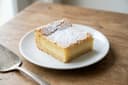
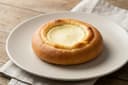
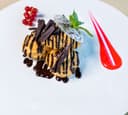
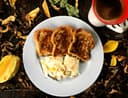
 Arme Ritter (Poor Knights' Pudding / German French Toast)In Germany · same ingredients67%
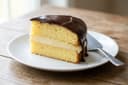
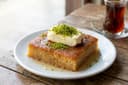
 Eierkuchen (German Pancakes)In Germany · same ingredients67%
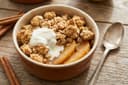
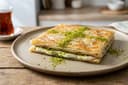
 Southern Banana PuddingIn the USA · same ingredients63%
A comforting and elegant British dessert featuring a base of breadcrumbs soaked in vanilla-infused milk, topped with a luscious layer of jam, and crowned with a light, golden meringue. It’s a delightful interplay of textures and sweet flavours, perfect for a warming end to any meal.
According to eatmundo's ingredient comparison, the closest dish to Queen of Puddings from another cuisine is Arme Ritter (Germany): the two share 67% of their ingredients.
Ingredients
tick what you already have - the rest goes on your shopping listHow to Make It
- 1
Preheat the oven to 180°C (350°F / Gas Mark 4) and grease a 1.5-litre ovenproof dish with 5g of the butter. Put 50g fresh breadcrumbs in a bowl. Gently warm 500ml full-fat milk with the remaining 25g butter, 50g caster sugar and the zest of one lemon in a saucepan until the butter melts and the milk is steaming (do not boil). Pour this over the breadcrumbs, stir and leave to stand for 10 minutes so the breadcrumbs absorb the milk.
- 2
Beat the three egg yolks into the soaked breadcrumb mixture until smooth. Pour it into the prepared dish, spread it evenly and bake in the preheated oven for 25 minutes, until the custard base is just set and no longer liquid in the centre.
- 3
Take the dish out of the oven and let the base rest for 5 minutes, leaving the oven on. Warm 4 tablespoons of raspberry (or your preferred) jam in a small pan until it is spreadable. Spread it gently over the set base in an even layer without pressing.
- 4
In a clean, dry bowl, whisk the three reserved egg whites until soft peaks form. Gradually add 100g caster sugar, one tablespoon at a time, and keep whisking until the meringue is glossy, firm and holds stiff peaks. This usually takes 5-7 minutes with an electric whisk.
- 5
Carefully spoon or pipe the meringue over the jam layer, ensuring it covers the entire surface and extends to the edges of the dish. You can create lovely decorative peaks with the back of a spoon for a beautiful presentation.
- 6
Return the dish to the oven at 180°C (350°F / Gas Mark 4) and bake for 15 minutes, until the meringue is golden brown and crisp on the outside. Watch it closely so it does not over-brown.
- 7
Allow the Queen of Puddings to cool slightly for 5-10 minutes before serving. It is best enjoyed warm, perhaps with a little extra cream or custard on the side, but it is utterly delicious on its own.
Frequently Asked Questions
What is Queen of Puddings?
Queen of Puddings is a traditional British baked dessert composed of a breadcrumb-thickened custard base, a layer of jam, and a meringue topping. It is typically served warm as a comforting finish to a meal.
What type of bread should I use for Queen of Puddings?
Use slightly stale white bread, such as day-old white sandwich bread or brioche, as it absorbs the milk-custard mixture much better than fresh bread, preventing a soggy texture.
How do I know when the custard base of the pudding is properly baked?
The custard base is properly baked when it is just set, so it no longer looks liquid in the centre and only wobbles slightly. This takes about 25 minutes at 180°C, before the jam and meringue are added.
What indicates that the meringue topping for Queen of Puddings is perfectly cooked?
The meringue is perfectly cooked when it is golden brown and crisp on the outside but still soft inside. This takes about 15 minutes at 180°C on top of the already set base.
Why might my meringue topping be weeping or collapsing after baking?
Meringue weeping or collapsing is often due to underbaking, which leaves too much moisture, or if the sugar wasn't fully dissolved when whisking the egg whites, leading to instability.