By eatmundo · August 3, 2026

Same ingredients, elsewhere in the world
22 matchesDishes from other countries' kitchens, made from the same core ingredients as Bissara. The percentage is the share of ingredients the two recipes have in common.
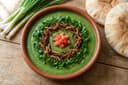
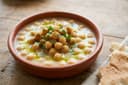
 Foul Iskandarani (Alexandrian Fava Beans)In Egypt · same ingredients67%
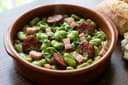
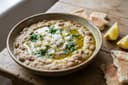 Ful MedamesIn Egypt · same ingredients67%
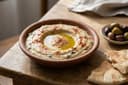
 Bissara (Fava Bean Dip)In Egypt · same ingredients67%
A velvety, comforting fava bean purée enjoyed across Morocco as a nutrient-dense breakfast or hearty starter. It is deeply earthy and traditionally served with a generous drizzle of golden olive oil and a dusting of spices.
According to eatmundo's ingredient comparison, the closest dish to Bissara from another cuisine is Foul Iskandarani (Egypt): the two share 67% of their ingredients.
Ingredients
tick what you already have - the rest goes on your shopping listHow to Make It
- 1
Soak the dried fava beans in water for at least 8 hours, then drain them well.
- 2
Place the beans into a large heavy-bottomed pot with 6 cloves of garlic and 2 liters of water.
- 3
Bring the water to a boil over high heat, then reduce to low, skimming any white foam that rises to the surface.
- 4
Cover and simmer for 90 minutes until the beans are completely tender and starting to break down.
- 5
Blend the mixture until perfectly smooth using an immersion blender or food processor, adjusting thickness with a little hot water if needed.
- 6
Return the mixture to the pot over low heat and stir in the cumin, paprika, and salt.
- 7
Simmer for another 5 minutes to allow the spices to bloom into the puree.
- 8
Serve warm in bowls, drizzling the 100ml of olive oil generously over the top just before eating.
Frequently Asked Questions
What is Bissara?
Bissara is a North African soup or dip originating from Morocco, primarily made from dried fava beans, garlic, and spices like cumin and paprika. It is typically consumed as a hearty breakfast or a warm meal during colder months.
Can I use fresh fava beans?
Authentic Bissara relies on dried, hulled fava beans to achieve the correct starchy, creamy consistency.
How do I know if it is thick enough?
The consistency should resemble a thick, pourable soup or porridge that coats the back of a spoon.
What should I serve with this?
It is best enjoyed with crusty Moroccan bread like Khobz to scoop up the creamy mixture.
Can I store this in the fridge?
Yes, it keeps well for 3 days; simply reheat it with a splash of water as it thickens significantly when cold.