🇨🇳 China · Dessert
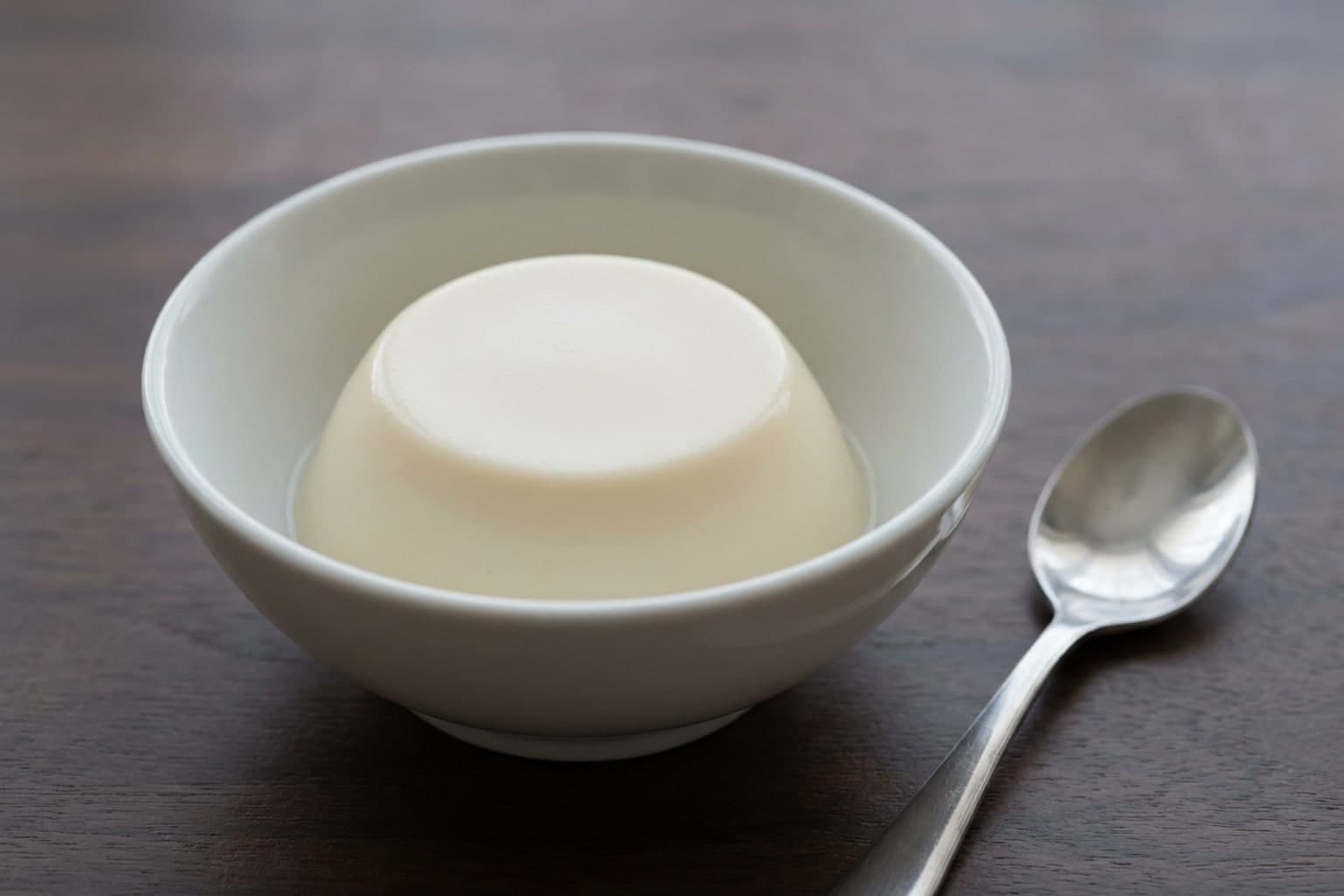
Ginger Milk Curd
By eatmundo · July 12, 2026
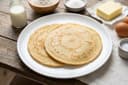
 🇨🇳 CNAI-generated image
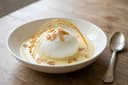
A traditional Cantonese dessert that magically sets into a silky, pudding-like texture through the reaction between ginger enzymes and warm milk. It is delicate, spicy, and perfectly comforting.
Ingredients
check them off as you prepareHow to Make It
- 1
Grate fresh ginger into a piece of cheesecloth and squeeze to extract exactly 4 tablespoons of pure juice into 4 small bowls.
- 2
In a small saucepan, heat 500ml of full-fat milk with 30g of sugar over medium heat until it reaches exactly 70°C, watching for small bubbles at the edges.
- 3
Remove the milk from heat and let it cool for 30 seconds until it drops to 65°C to ensure the ginger enzymes work perfectly.
- 4
Pour the warm milk quickly into the center of each ginger-filled bowl from a height of about 15cm to ensure thorough mixing.
- 5
Cover the bowls immediately with small plates to trap the steam and heat inside.
- 6
Let the bowls sit undisturbed on the counter for 10 minutes; do not move or jiggle them as the curd is very fragile during setting.
- 7
Test the surface by gently pressing with a spoon; if it resists slightly like a firm yogurt, it is ready.
- 8
Serve warm immediately; if the bowl is too cold, the coagulation will be incomplete.
Frequently Asked Questions
What is Ginger Milk Curd?+
Ginger milk curd is a Cantonese dessert made from a chemical reaction between fresh ginger juice and heated milk. Typically sweetened with sugar, it is served as a warm, gelatinous pudding consumed as a popular after-meal snack or restorative treat.
Why does my ginger milk curd fail to set?+
The milk temperature must be exactly 70-80°C (158-176°F); if it is too cold, the enzymes won't react, and if it is too hot, the proteins will denature improperly.
Can I use store-bought ginger juice?+
No, you must use freshly squeezed ginger juice because it contains the active enzyme zingibain required for coagulation, which dissipates quickly after extraction.
Is it necessary to filter the ginger juice?+
Yes, filtering the ginger juice through a fine-mesh sieve is crucial to remove fibrous pulp and ensure a smooth, silken texture in the final curd.
Should I stir the mixture after pouring it into the bowl?+
Do not stir once the milk is poured over the ginger juice, as any agitation will disrupt the protein network forming and prevent the curd from setting firmly.
🇨🇳 CNAI-generated imageMundo Match
Dishes across the world that share Ginger Milk Curd's core ingredients.
See all 15 matches ↓