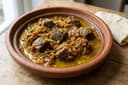
By eatmundo · August 3, 2026

Same ingredients, elsewhere in the world
6 matchesDishes from other countries' kitchens, made from the same core ingredients as Mutton Kosha. The percentage is the share of ingredients the two recipes have in common.
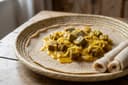 Alicha Siga WatIn Ethiopia · same ingredients· Same technique62%
 GomenIn Ethiopia · same ingredients50%
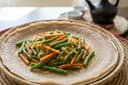 Fasolia AlichaIn Ethiopia · same ingredients50%
A slow-cooked, rich Bengali mutton curry characterized by its thick, dark gravy and aromatic spice blend. This dish is a festive staple, perfect for long family lunches.
According to eatmundo's ingredient comparison, the closest dish to Mutton Kosha from another cuisine is Alicha Siga Wat (Ethiopia): the two share 62% of their ingredients.
Ingredients
tick what you already have - the rest goes on your shopping listHow to Make It
- 1
Heat 3 tablespoons of mustard oil in a heavy-bottomed kadhai until it reaches a smoking point, then reduce to medium.
- 2
Add whole spices—cardamom, cinnamon, and cloves—and sauté for 30 seconds until they release a fragrant aroma.
- 3
Sauté 2 finely chopped onions until they turn deep golden brown, which is essential for the gravy's final color.
- 4
Stir in the ginger-garlic paste and cook for 2 minutes, ensuring it does not stick to the base of the pan.
- 5
Add the mutton pieces and sear them on medium-high heat for 10 minutes until the meat is browned on all sides.
- 6
Lower the heat and whisk in the yogurt gradually to prevent curdling, then stir in your spice blend.
- 7
Cover with a tight lid and cook on low heat for 40 minutes, checking occasionally, until the meat is fork-tender.
- 8
Uncover for the last 5 minutes to intensify the oil separation; the gravy should be thick and dark.
Frequently Asked Questions
What is Mutton Kosha?
Mutton Kosha is a slow-cooked lamb curry from West Bengal, India, prepared with yogurt and a blend of aromatic spices in mustard oil. It is typically served as a primary meal component alongside rice or unleavened bread.
Can I use vegetable oil instead of mustard?
Mustard oil provides the authentic pungent kick, but sunflower oil is a fine substitute if needed.
How do I ensure the meat is tender?
The secret is slow-cooking on low heat; patience is key to breaking down the fibers.
Should I add water?
Minimal water may be added only if the masala sticks, but the oil and yogurt juices are preferred.
What is the secret to the dark color?
The color comes from perfectly caramelizing the onions before adding the meat.