🇬🇧 United Kingdom · Drinks
Traditional English Mead
By eatmundo · July 8, 2026

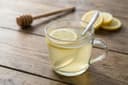
Mead, often called 'nectar of the gods', is one of the oldest alcoholic beverages, and traditional English Mead offers a taste of history. This honey wine is sweet, complex, and deeply satisfying, perfect for special occasions or a historical feast. It requires patience but rewards with a truly unique flavour.
Ingredients
check them off as you prepareHow to Make It
- 1
Sanitise all your equipment thoroughly: a 5-litre fermentation bucket or carboy, airlock, bung, and stirring spoon. This is the most crucial step to prevent unwanted bacteria or wild yeasts from spoiling your Mead.
- 2
In a large, clean pot, gently heat 1 kg of honey with 1 litre of water over low heat, stirring continuously until the honey is fully dissolved. Do not boil, as this can destroy delicate honey aromas.
- 3
Once dissolved, remove from heat and stir in the juice of 1 lemon, 50g of raisins (if using, as they provide yeast nutrients), and 1 strong black tea bag (if using, for added tannins and body).
- 4
Pour the honey mixture into your sanitised fermentation vessel. Top it up with the remaining 2 litres of cold water, ensuring the total volume is around 4 litres. The temperature should now be around 20-25°C (68-77°F).
- 5
Sprinkle 1 sachet of wine yeast over the surface of the liquid. Do not stir it in immediately; allow it to rehydrate for about 15 minutes before stirring gently to incorporate it fully.
- 6
Fit the bung and airlock onto the fermentation vessel, ensuring a tight seal. Fill the airlock with sterilised water or sanitiser solution. Place the fermenter in a cool, dark place (ideally 18-24°C / 65-75°F) for primary fermentation.
- 7
Allow the Mead to ferment for 3-4 weeks, or until bubbling in the airlock slows significantly or stops. Once primary fermentation is complete, you can rack the Mead into a secondary vessel (another sanitised carboy) to age for 1-6 months for clarity and flavour development.
- 8
After aging, your Traditional English Mead is ready to be bottled. Sanitize your bottles thoroughly. Gently siphon the Mead into the bottles, leaving about 2-3 cm of headspace. Cork or cap tightly.
- 9
Store the bottled Mead in a cool, dark place. While it can be enjoyed immediately, Mead often improves significantly with further aging in the bottle for several months to a year, becoming smoother and more complex. Serve chilled.
Frequently Asked Questions
What is mead?+
Mead is a fermented alcoholic beverage originating from the United Kingdom made primarily from honey, water, and yeast, often flavored with raisins, lemon, and tea. It is typically served as an artisanal drink during social gatherings or festive occasions.
What kind of honey is best for Mead?+
Unpasteurised, pure honey (like wildflower or clover) is often preferred as it retains more natural enzymes and flavour compounds. Avoid highly processed or blended honeys for authentic Mead.
Why is sanitation so important when making Mead?+
Proper sanitation prevents spoilage from unwanted bacteria or wild yeasts, which can lead to off-flavours, cloudiness, or even ruin the entire batch. It's the foundation of good homebrewing.
How long does Mead take to ferment and age?+
Primary fermentation usually takes 3-4 weeks. Aging can take anywhere from 1 month to over a year, with most Meads benefiting from at least 3-6 months for optimal flavour development and clarity.
Can I make Mead carbonated?+
Yes, you can naturally carbonate Mead by priming bottles with a small amount of sugar before sealing, allowing a secondary fermentation to occur in the bottle. Be careful not to over-prime to avoid bottle bombs.
Mundo Match
Dishes across the world that share Traditional English Mead's core ingredients.
See all 6 matches ↓