🇹🇷 Turkey · Drinks
Adaçayı (Turkish Sage Tea)
By eatmundo · July 8, 2026
 🇹🇷 TRAI-generated image
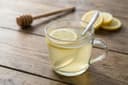
Adaçayı, or Turkish Sage Tea, is a beloved herbal infusion known for its warm, slightly peppery, and earthy flavor with subtle minty undertones. Revered for its soothing properties and comforting aroma, it's a popular choice throughout Turkey, especially during cooler evenings or when seeking a gentle, healthful pick-me-up.
Ingredients
check them off as you prepareHow to Make It
- 1
Start by selecting 3-4 fresh, large sage leaves (or 1 teaspoon of dried sage). Ensure your fresh leaves are clean and free from blemishes. Place the sage leaves directly into a heatproof mug or a small teapot.
- 2
Heat 200ml (approximately 1 cup) of fresh water to just below boiling point, around 95°C (203°F). You'll see small bubbles forming at the bottom of the kettle, but it shouldn't be at a full rolling boil, which can scorch the delicate sage leaves.
- 3
Pour the hot water carefully over the sage leaves in your mug or teapot. The water should cover the leaves completely. Notice the immediate release of the sage's distinctive aroma.
- 4
Allow the sage tea to steep for 3-5 minutes. For a milder flavor, steep closer to 3 minutes; for a stronger, more robust tea, steep up to 5 minutes. Avoid over-steeping, as this can lead to a more bitter taste.
- 5
Once steeped, remove the sage leaves from the mug using a spoon or strain the tea through a small sieve if using a teapot. This step is crucial to prevent further extraction of potentially bitter compounds.
- 6
Your Adaçayı is now ready to enjoy! Optionally, you can add a squeeze of fresh lemon juice from a lemon wedge for a brighter note, or stir in 1 teaspoon of honey for a touch of natural sweetness. Serve warm and savor its calming warmth.
Frequently Asked Questions
What is Adaçayı?+
Adaçayı is a traditional Turkish herbal tea made from dried sage leaves, water, lemon, and honey. It is commonly consumed as a soothing beverage throughout Turkey, often served in the afternoons or as a digestive aid after meals.
What type of sage is best for Adaçayı, and can I use dried sage?+
For authentic Adaçayı, fresh Turkish sage leaves (Salvia fruticosa or Salvia triloba) are ideal. While fresh garden sage is an alternative, dried sage can also be used, but halve the quantity for a less intense flavor.
Should the water be boiling when added to the sage, and how long should I steep it?+
Bring water just to a boil, then remove it from the heat before pouring over the sage leaves. Steep for 5-7 minutes; exceeding this time can make the tea unpleasantly bitter.
When is the best time to add lemon and honey to Adaçayı?+
Add lemon juice and honey after the tea has steeped and you've strained out the sage leaves. This preserves their delicate flavors and the beneficial properties of the honey.
What causes Adaçayı to taste overly bitter, and how can I avoid it?+
The primary cause of bitterness is over-steeping the sage. To avoid this, steep for no more than 7 minutes and promptly remove the leaves for a balanced, herbaceous taste.
🇹🇷 TRAI-generated imageMundo Match
Dishes across the world that share Adaçayı (Turkish Sage Tea)'s core ingredients.