By eatmundo · July 7, 2026
 🇬🇷AI-generated image
Same ingredients, elsewhere in the world
28 matchesDishes from other countries' kitchens, made from the same core ingredients as Psarosoupa: Traditional Greek Fish Soup. The percentage is the share of ingredients the two recipes have in common.
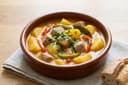 Marmitako (Basque Tuna Stew)In Spain · same ingredients62%
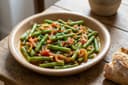
 Pasta e Fagioli (Pasta and Bean Soup)In Italy · same ingredients59%
 Biber Dolması (Stuffed Bell Peppers)In Türkiye · same ingredients59%
Psarosoupa is a comforting and nutritious traditional Greek fish soup, celebrated for its clean flavors and invigorating qualities. Made with fresh white fish, a medley of vegetables like carrots, celery, and potatoes, and brightened with lemon, it's a staple in Greek homes, especially along the coast.
According to eatmundo's ingredient comparison, the closest dish to Psarosoupa from another cuisine is Marmitako (Spain): the two share 62% of their ingredients.
Ingredients
tick what you already have - the rest goes on your shopping listHow to Make It
- 1
Carefully clean and descale 600g whole white fish (like cod or snapper); you can ask your fishmonger to do this. Cut 500g potatoes, 2 carrots, and 2 celery stalks into large chunks. Finely chop 1 large onion and 2 cloves garlic, and dice 1 ripe tomato.
- 2
In a large, heavy-bottomed pot or Dutch oven, heat 45ml of olive oil over medium heat. Add the chopped onion and sauté for 5-7 minutes until softened and translucent, but not browned. Add the garlic and cook for another minute until fragrant.
- 3
Add the chopped carrots, celery, potatoes, and diced tomato to the pot. Pour in 1.5 liters of water (or fish stock), ensuring all vegetables are submerged. Add 1 bay leaf and season with 1 teaspoon salt and 0.5 teaspoon black pepper. Bring to a boil, then reduce heat to low, cover, and simmer for 20 minutes, or until the vegetables are tender.
- 4
Gently place the whole fish into the simmering broth. Ensure it's mostly submerged. Continue to simmer gently for 10-15 minutes, or until the fish is opaque and cooked through. Be careful not to overcook, as this can make the fish dry.
- 5
Using a slotted spoon, carefully remove the cooked fish from the pot and set it aside on a plate. Allow it to cool slightly. Once cool enough to handle, carefully remove the skin and bones, flaking the tender fish meat into large pieces. Discard skin and bones.
- 6
While the fish cools, you can mash some of the potatoes in the soup with a fork to slightly thicken it, if desired. Stir in 30g of uncooked short-grain rice now if you prefer a heartier soup, and simmer for another 15 minutes until the rice is cooked.
- 7
Return the flaked fish meat to the pot. Stir in 30ml fresh lemon juice and a generous handful of fresh dill (about 2 tablespoons chopped) and parsley (about 2 tablespoons chopped). Taste and adjust seasoning. Serve hot, drizzled with a little extra virgin olive oil and a lemon wedge.
Frequently Asked Questions
What is Psarosoupa?
Psarosoupa is a traditional Greek fish soup prepared with fresh fish, olive oil, and vegetables such as potatoes, carrots, and aromatics like parsley and dill. It is a nutritious, staple meal typically served warm, especially during the colder months or as a common course in coastal regions.
What type of fish is best for Psarosoupa?
Any firm, white-fleshed fish is suitable, such as cod, snapper, sea bass, or hake. The key is freshness. Ask your fishmonger for a good soup fish.
Can I use fish fillets instead of a whole fish?
Yes, you can use fillets, but a whole fish (with head and bones) will yield a richer, more flavorful broth. If using fillets, you might consider using a good quality fish stock instead of water.
How can I thicken the soup naturally?
Mashing some of the cooked potatoes directly in the soup or adding a small amount of short-grain rice during the last 15 minutes of simmering will naturally thicken the broth, as demonstrated in step 6.
Is Avgolemono an alternative way to finish Psarosoupa?
Yes, many traditional Greek psarosoupa recipes are finished with an avgolemono (egg-lemon) sauce, which adds a creamy, tangy richness. You can certainly use this technique instead of just lemon juice and herbs.
🇬🇷AI-generated image