By eatmundo · September 8, 2026
 🇷🇺AI-generated image
Same ingredients, elsewhere in the world
14 matchesDishes from other countries' kitchens, made from the same core ingredients as Kulesh. The percentage is the share of ingredients the two recipes have in common.
 Pierogi RuskieIn Poland · same ingredients67%
 Käsespätzle (German Cheese Noodles)In Germany · same ingredients60%
 Forfar Bridie (Traditional Scottish Savoury Pastry)In the United Kingdom · same ingredients60%
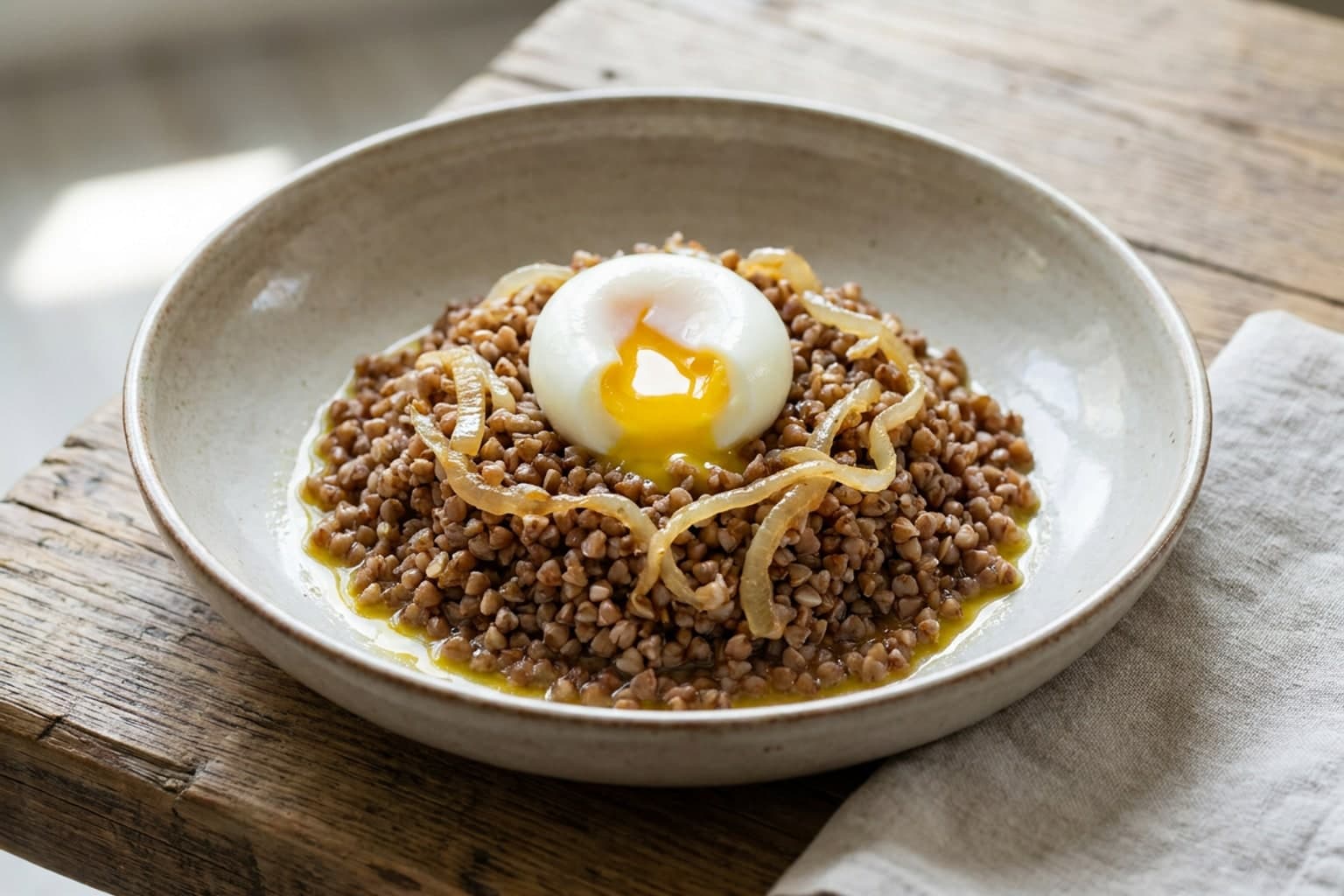
A thick, rustic millet or buckwheat porridge enriched with onions and eggs. It was historically a staple for Cossacks on the move.
According to eatmundo's ingredient comparison, the closest dish to Kulesh from another cuisine is Pierogi Ruskie (Poland): the two share 67% of their ingredients.
Ingredients
tick what you already have - the rest goes on your shopping listHow to Make It
- 1
Rinse 300g millet thoroughly under cold water, rubbing the grains, until the water runs clear.
- 2
Bring 900ml water to a boil in a medium pot and stir in 1 tsp salt.
- 3
Add the millet, cover, reduce heat to low and simmer for 20 minutes, until the water is absorbed and the grains are soft.
- 4
While it cooks, sauté 1 finely chopped onion in 50g butter until golden.
- 5
Crack 2 eggs into the frying pan with the onion and scramble gently until just set.
- 6
Remove the millet from the heat, leave it covered for 5 minutes to steam in its own heat, then fluff gently with a fork.
- 7
Stir the onion and egg mixture into the cooked millet until evenly distributed.
- 8
Serve warm immediately in deep bowls, perhaps with an extra knob of butter.
Frequently Asked Questions
What is Kulesh?
Kulesh is a hearty, traditional thick porridge originating from Cossack culture. It is primarily made from millet or buckwheat, often combined with onions, fat, and sometimes eggs or meat for a filling, portable meal.
Should the millet be toasted?
It is optional. For a nuttier flavor, toast the rinsed, drained millet in a dry pan for 3 minutes before adding it to the boiling water.
Can I use buckwheat instead of millet?
Yes, buckwheat groats also work and give a nuttier, drier result, while millet gives the traditional creamier texture.
How do I avoid mushy porridge?
Do not over-stir the porridge; let it steam in its own residual heat after turning off the flame.
What sides go well with this?
A crisp cucumber salad or some pickled vegetables complement the earthy flavors perfectly.
🇷🇺AI-generated image