🇹🇷 Turkey · Drinks
Homemade Kefir
By eatmundo · July 8, 2026

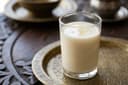
Experience the ancient tradition of homemade Turkish kefir, a naturally fermented dairy drink known for its tangy flavor and creamy texture. This probiotic-rich beverage is simple to prepare and offers a refreshing, healthful addition to your daily routine.
Ingredients
check them off as you prepareHow to Make It
- 1
Prepare your fermentation vessel: Choose a clean, glass jar with a capacity of at least 750ml. Ensure it's been thoroughly washed and rinsed to prevent contamination, as kefir is a living culture.
- 2
Combine ingredients: Gently place 1 tablespoon (about 15g) of active kefir grains into the clean glass jar. Pour 500ml of fresh, room-temperature milk over the grains. Whole milk is traditionally preferred for its fat content, which nourishes the grains well.
- 3
Cover and ferment: Lightly cover the jar with a breathable lid, such as a coffee filter or cloth secured with a rubber band. This allows air circulation while keeping contaminants out. Do not use an airtight lid, as gas will build up.
- 4
Allow to ferment at room temperature: Place the jar in a warm spot, ideally between 20-24°C (68-75°F), away from direct sunlight. Let it ferment for 18-24 hours. The milk will thicken and develop a tangy aroma; a slight separation of whey might appear at the bottom.
- 5
Check for readiness: After 18 hours, gently tilt the jar. The kefir should be slightly thickened, resembling a thin yogurt. You might see small pockets of gas. Taste a tiny amount; it should be pleasantly tart. If it's too thin or not tangy enough, let it ferment for a few more hours.
- 6
Strain the kefir: Once fermented to your liking, place a non-metal strainer over a clean bowl. Pour the kefir mixture through the strainer, gently swirling or tapping the strainer to help the thickened liquid pass through. Avoid pushing the grains, as this can damage them.
- 7
Separate grains and serve: The kefir grains will remain in the strainer. Rinse the strained kefir grains lightly with a small amount of fresh milk or non-chlorinated water if desired (though not strictly necessary) and place them immediately into fresh milk to start a new batch. Pour the freshly made kefir into a glass and enjoy!
Frequently Asked Questions
What is kefir?+
Kefir is a fermented milk drink originating from the North Caucasus region. It is created by adding kefir grains to milk and is typically consumed cold as a refreshing beverage or used in various culinary preparations.
How do I know my kefir grains are active and healthy?+
Active kefir grains will quickly ferment milk, usually within 24 hours, producing a creamy, tangy beverage. Healthy grains also tend to grow and multiply over time, indicating a robust culture.
What kind of milk is best for making kefir?+
While you can use various types of milk, whole cow's milk is generally recommended as it provides ample nutrients for the grains, resulting in a rich and consistent kefir. Avoid ultra-pasteurized milk if possible.
My kefir is too sour/too thin. What should I do?+
If it's too sour, shorten the fermentation time or reduce the amount of grains. If it's too thin, either increase the fermentation time, use more grains, or try a warmer fermentation spot.
How do I store kefir grains when not making kefir?+
For short breaks (up to a week), store grains in fresh milk in the refrigerator. For longer breaks, they can be rinsed, dried, and stored in the freezer or dehydrated, though re-activating them takes time.
Mundo Match
Dishes across the world that share Homemade Kefir's core ingredients.