🇷🇺 Russia · Food
Millet Porridge with Pumpkin
By eatmundo · September 8, 2026

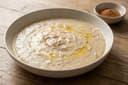
A comforting, golden-hued breakfast staple of the Russian countryside. This dish combines earthy millet with the natural sweetness of roasted pumpkin, bound together in creamy milk.
Ingredients
check them off as you prepareHow to Make It
- 1
Rinse 200g of millet thoroughly in a fine-mesh sieve under cold water until the water runs clear, which removes bitterness.
- 2
Peel and dice 300g of pumpkin into small 1cm cubes, then sauté them in a pot with 20g of butter for 5 minutes until just tender.
- 3
Pour 500ml of milk into the pot with the pumpkin, add 0.5 tsp salt, and bring to a gentle simmer.
- 4
Stir in the rinsed millet, reduce heat to the lowest setting, cover the pot tightly, and cook for 25 minutes without lifting the lid.
- 5
Check the consistency; the porridge should be thick and creamy, absorbing most of the liquid while retaining texture.
- 6
Stir in 30g of butter, 2 tbsp of honey, and 0.25 tsp of cinnamon, then let it rest covered for 5 minutes before serving.
Frequently Asked Questions
What is Millet Porridge with Pumpkin?+
Millet Porridge with Pumpkin, known as Pshennaya Kasha s Tykvoy, is a traditional Russian cereal dish. It is a hearty, sweet-savory porridge made by slow-cooking millet and pumpkin in milk, commonly served as a nutritious breakfast.
Why must I rinse the millet?+
Millet has a powdery coating that can be quite bitter; thorough rinsing is essential to ensure a clean, nutty flavor.
Can I use plant-based milk?+
Yes, oat or almond milk work beautifully in this recipe, though dairy milk provides a more traditional creamy richness.
How do I know when the millet is cooked?+
The millet is ready when it is soft and translucent, having absorbed the milk into a thick, creamy consistency.
Can this be made ahead?+
Yes, it keeps well in the refrigerator for up to 3 days, but you may need to stir in a splash of warm milk when reheating to regain the creamy texture.
Mundo Match
This dish doesn't have a strong Mundo Match yet — but here's the closest ingredient overlap we found across the world's cuisines.