By eatmundo · August 3, 2026

Same ingredients, elsewhere in the world
1 matchDishes from other countries' kitchens, made from the same core ingredients as Palak Moong Dal. The percentage is the share of ingredients the two recipes have in common.
Same technique: Stew404 recipes from 26 countries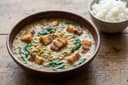
A light, nourishing lentil stew made with split green mung beans and fresh spinach. This comfort dish is gentle on the stomach while being packed with protein and vibrant nutrients.
According to eatmundo's ingredient comparison, the closest dish to Palak Moong Dal from another cuisine is Ginisang Munggo (Philippines): the two share 50% of their ingredients.
Ingredients
tick what you already have - the rest goes on your shopping listHow to Make It
- 1
Soak 200g of green gram in water for 30 minutes, then drain and rinse thoroughly.
- 2
Boil the lentils in 600ml of water with salt until soft, about 15 minutes, skimming any foam from the top.
- 3
Add 250g of finely chopped spinach to the boiling lentils and cook for another 5 minutes until wilted.
- 4
In a small pan, heat 1 tbsp of ghee over medium heat until it shimmers.
- 5
Add the 1 tsp of cumin seeds and let them sizzle for 30 seconds until fragrant.
- 6
Add the 4 minced garlic cloves and the pinch of asafoetida, sautéing until the garlic turns light golden.
- 7
Pour this aromatic tempering over the cooked dal and stir gently to incorporate.
- 8
Serve piping hot alongside steamed basmati rice or a warm chapati.
Frequently Asked Questions
What is Palak Moong Dal?
Palak Moong Dal is a nutritious Indian lentil curry made with split green gram and fresh spinach, tempered with ghee, cumin, garlic, and asafoetida. It is a staple vegetarian dish commonly served as a primary protein source alongside steamed rice or flatbread for lunch or dinner.
Can I use split yellow mung dal instead?
Yes, it will yield a smoother, softer texture, whereas green gram provides a bit more bite.
What is the purpose of tempering at the end?
The 'tadka' or tempering infuses the dish with essential oils from the spices, significantly deepening the final flavor.
Is the asafoetida necessary?
It adds a savory, onion-like depth and improves digestion, though it can be omitted if unavailable.
How thick should the dal be?
It should have a pouring consistency, similar to a thick soup; add more hot water if it gets too dry.