🇹🇭 Thailand · Food
Pad Thai (Stir-fried Thai Noodles)
By eatmundo · July 9, 2026

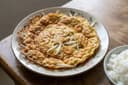
A beloved classic of Thai cuisine, Pad Thai features stir-fried rice noodles intertwined with shrimp, tofu, eggs, and a medley of fresh vegetables. Tossed in a vibrant sweet-sour-salty tamarind sauce, it's a symphony of textures and flavors, often garnished with crunchy peanuts and a fresh lime wedge.
Ingredients
check them off as you prepareHow to Make It
- 1
Submerge 150g dried flat rice noodles in warm water for 20-30 minutes until softened but still firm to the bite. Drain thoroughly and set aside. Over-soaking makes them mushy; they'll finish cooking in the wok.
- 2
In a small bowl, whisk together 2 tablespoons tamarind paste, 2 tablespoons fish sauce, 1 tablespoon palm sugar (or brown sugar), and 1 tablespoon water until the sugar dissolves. Taste and adjust for a balance of sweet, sour, and salty.
- 3
Heat 2 tablespoons vegetable oil in a large wok or skillet over medium-high heat. Add 2 cloves minced garlic and 1 small chopped shallot, stir-frying until fragrant, about 30 seconds. Push to one side. Add 150g peeled raw shrimp and 100g firm tofu (cut into small cubes), cooking until the shrimp are pink and tofu lightly golden, about 2-3 minutes.
- 4
Push the shrimp and tofu to one side, then crack 1 large egg into the cleared space. Scramble quickly until just set, then break it up and mix with the other ingredients. Add the soaked rice noodles to the wok.
- 5
Pour the prepared tamarind sauce over the noodles. Add 50g fresh bean sprouts and 2 tablespoons chopped garlic chives. Toss everything gently with tongs, ensuring the noodles are evenly coated and the vegetables are just tender-crisp, about 2-3 minutes. The noodles should become translucent and chewy.
- 6
Stir in 1 tablespoon roasted crushed peanuts and 1/2 teaspoon chili flakes (optional) for a touch of heat. Serve immediately with a lime wedge on the side.
Frequently Asked Questions
What is Pad Thai?+
Pad Thai is a stir-fried noodle dish originating from Thailand. It consists of rice noodles, shrimp, firm tofu, garlic, and chives, balanced with tamarind paste, fish sauce, and palm sugar, and is typically served as a main meal in casual dining settings.
What kind of rice noodles are best for Pad Thai?+
Use flat, dried rice noodles, typically 3-5mm wide (often labeled "rice stick" or "Pad Thai noodles"). Avoid fresh noodles, which can be too soft.
Can I substitute the protein?+
Absolutely! Chicken, pork, or even additional tofu or mixed vegetables work wonderfully. Adjust cooking times as needed to ensure the protein is cooked through.
How do I prevent my Pad Thai from becoming greasy or clumpy?+
Use a hot wok and avoid overcrowding it. Cook in batches if necessary. Ensure noodles are properly drained and not over-soaked.
What's the secret to an authentic Pad Thai sauce?+
The balance of sweet, sour, and salty from tamarind, palm sugar, and fish sauce is key. Taste and adjust until it's just right for your palate.
Mundo Match
Dishes across the world that share Pad Thai (Stir-fried Thai Noodles)'s core ingredients.
See all 6 matches ↓