By eatmundo · July 5, 2026

Same ingredients, elsewhere in the world
5 matchesDishes from other countries' kitchens, made from the same core ingredients as Anchovy Rice Pilaf. The percentage is the share of ingredients the two recipes have in common.
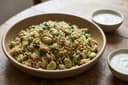
 Pitaroudia: Rhodian Chickpea FrittersIn Greece · same ingredients56%
 Savory Greek Pumpkin and Feta Pie (Kolokythopita)In Greece · same ingredients55%
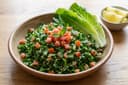 Authentic TabboulehIn Lebanon · same ingredients50%
Hamsili Pilav is a unique and beloved pilaf from Türkiye's Black Sea region, combining fragrant rice with fresh anchovies. It’s a delightful dish where the savory flavor of the sea meets aromatic herbs and spices, baked to perfection in the oven. This comforting classic offers a taste of traditional Turkish coastal cuisine that's both hearty and incredibly flavorful.
According to eatmundo's ingredient comparison, the closest dish to Anchovy Rice Pilaf from another cuisine is Pitaroudia (Greece): the two share 56% of their ingredients.
Ingredients
tick what you already have - the rest goes on your shopping listHow to Make It
- 1
Begin by cleaning 500g of fresh anchovies; remove their heads and guts, then carefully debone them to create butterfly fillets. Rinse them thoroughly under cold water and pat dry with paper towels.
- 2
Heat 2 tablespoons of olive oil in a large saucepan over medium heat. Sauté 1 finely chopped large onion until softened and translucent, about 5-7 minutes, taking care not to brown it.
- 3
Add 200 g of washed and drained short-grain rice (like Baldo rice) to the saucepan with the onion. Stir for 2-3 minutes until the rice becomes slightly transparent at the edges.
- 4
Stir in 1/4 cup of pine nuts and 1/4 cup of dried currants, along with 1/4 cup each of finely chopped fresh dill, parsley, and mint. Season with 1 teaspoon of salt and 1/2 teaspoon of black pepper.
- 5
Pour in 360 ml of hot water or fish broth. Bring to a boil, then reduce heat to low, cover the pan tightly, and simmer for 15 minutes until the liquid is absorbed and the rice is almost cooked.
- 6
Arrange half of the deboned anchovy fillets in a single layer at the bottom of a medium-sized oven-safe dish (approx. 20x20 cm), overlapping slightly. Spread the partially cooked rice mixture evenly over the anchovies.
- 7
Layer the remaining anchovy fillets neatly over the rice, creating a decorative top. Drizzle lightly with 1 tablespoon of olive oil and a squeeze of fresh lemon juice.
- 8
Bake in a preheated oven at 180°C (350°F) for 20-25 minutes, or until the anchovies are golden brown and cooked through, and the rice is tender. Let it rest for 5 minutes before serving.
Frequently Asked Questions
What is Anchovy Rice Pilaf?
Anchovy Rice Pilaf is a Turkish rice dish prepared with anchovies, onions, currants, pine nuts, and fresh herbs like parsley and dill. It is typically served as a main course or a substantial side dish, often consumed during the cooler months when anchovies are in season.
What type of anchovies should I use for this pilaf, and how should they be prepared?
Use 500g of fresh anchovies. Clean them by removing the heads and guts, then carefully debone them into butterfly fillets, rinse them under cold water and pat dry. The fillets are not chopped; they are layered whole under and over the rice.
Which kind of rice is ideal for Anchovy Rice Pilaf, and should it be rinsed beforehand?
A short-grain rice like Baldo works wonderfully for its ability to absorb flavor while maintaining texture; always rinse the rice until the water runs clear to achieve a fluffy, non-sticky pilaf.
How can I ensure the pilaf isn't too salty or overwhelmingly fishy from the anchovies?
Balance the anchovies' intensity by incorporating the sweetness of currants and richness of pine nuts, and add salt sparingly at the end. A generous squeeze of fresh lemon juice before serving will also brighten and cut through the richness.
What is the correct doneness for this pilaf, and what texture should I expect?
The pilaf is perfectly cooked when the rice is tender with a slight al dente bite and has absorbed all the liquid, resulting in a moist, fluffy, and separate grain texture, not mushy.