By eatmundo · August 4, 2026

Same ingredients, elsewhere in the world
12 matchesDishes from other countries' kitchens, made from the same core ingredients as Halva Zaferani (Saffron Semolina Halva). The percentage is the share of ingredients the two recipes have in common.
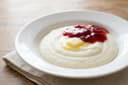
 Kesari BathIn India · same ingredients73%
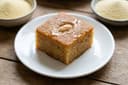
 NamouraIn Lebanon · same ingredients67%
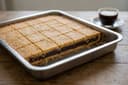
 BasbousaIn Lebanon · same ingredients62%
A dense, luxurious Persian dessert made with semolina, butter, and infused with saffron and rose water. It has a beautiful golden hue.
According to eatmundo's ingredient comparison, the closest dish to Halva Zaferani from another cuisine is Kesari Bath (India): the two share 73% of their ingredients.
Ingredients
tick what you already have - the rest goes on your shopping listHow to Make It
- 1
Melt 100g butter in a heavy-bottomed pan and add 200g semolina.
- 2
Toast the semolina over medium-low heat, stirring constantly, until it turns a deep golden brown.
- 3
In a separate pot, dissolve 150g sugar and 0.5 tsp saffron into 500ml water.
- 4
Stir in 2 tbsp rose water to the sugar syrup and keep warm over low heat.
- 5
Pour the syrup slowly into the toasted semolina, being careful of the steam.
- 6
Continue to stir vigorously until the mixture pulls away from the sides of the pan.
- 7
Cover the pan and let it steam on extremely low heat for 5 minutes.
- 8
Transfer to a serving dish and smooth the surface while still warm.
Frequently Asked Questions
What is Halva Zaferani?
Halva Zaferani is an Iranian semolina-based dessert made with butter, sugar, saffron, and rose water. It is a dense, fragrant confection typically served during religious ceremonies, funerals, and special gatherings.
How dark should I toast the semolina?
Toast it until it reaches a rich hazelnut or golden-brown color; this depth is essential for the flavor.
Why does it sometimes separate?
If the fat separates, ensure your heat is low and keep stirring; the semolina needs time to absorb all moisture.
Can I use oil instead of butter?
Butter provides the classic rich taste, but a mix of butter and ghee is also very traditional.
Is it better warm or cold?
Halva is traditionally served warm, though it can be shaped when it cools down slightly.