By eatmundo · August 3, 2026

Same ingredients, elsewhere in the world
5 matchesDishes from other countries' kitchens, made from the same core ingredients as Caffè Corretto con Sambuca. The percentage is the share of ingredients the two recipes have in common.
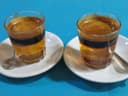 Carajillo (Spanish Coffee with Spirit)In Spain · same ingredients· Same technique57%
 Turkish CoffeeIn Türkiye · same ingredients50%
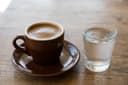 Ellinikos Kafes: Traditional Greek CoffeeIn Greece · same ingredients50%
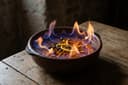
A classic Italian digestif, this 'corrected' coffee combines a robust shot of espresso with the sweet, anise-flavored punch of Sambuca. It is traditionally finished with three coffee beans, representing health, happiness, and prosperity.
According to eatmundo's ingredient comparison, the closest dish to Caffè Corretto con Sambuca from another cuisine is Carajillo (Spain): the two share 57% of their ingredients.
Ingredients
tick what you already have - the rest goes on your shopping listHow to Make It
- 1
Prepare a fresh 30ml shot of high-quality espresso using your preferred machine.
- 2
While the espresso is hot, measure exactly 15ml of quality Sambuca.
- 3
Pour the Sambuca directly into the hot espresso cup, stirring gently with a small spoon.
- 4
Place exactly three roasted coffee beans on top of the crema.
- 5
Serve immediately while steaming hot to appreciate the contrast of the anise aroma.
- 6
Enjoy slowly as a refined post-dinner digestif that aids digestion.
Frequently Asked Questions
What is Caffè Corretto con Sambuca?
Caffè Corretto con Sambuca is an Italian alcoholic coffee drink consisting of a shot of espresso combined with a small amount of sambuca liqueur. It is typically served as an after-dinner digestif, garnished with three coffee beans.
Why use three coffee beans?
The three beans signify 'la mosca' (the fly) and represent health, happiness, and prosperity in Italian tradition.
Can I use other liqueurs?
Yes, 'corretto' means corrected, so you can use grappa, brandy, or anisette, though Sambuca is the iconic choice.
Should the espresso be sweetened?
It is generally not sweetened, as the Sambuca already provides a distinct sugary anise profile.
Is this typically drunk in the morning?
No, this is strictly a post-meal digestif meant to be enjoyed after lunch or dinner.