By eatmundo · August 4, 2026

Same ingredients, elsewhere in the world
5 matchesDishes from other countries' kitchens, made from the same core ingredients as Borrego Estufado. The percentage is the share of ingredients the two recipes have in common.
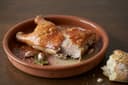 Cochinillo Asado (Roast Suckling Pig)In Spain · same ingredients60%
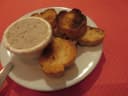 Rillettes de Porc: Traditional French Potted Pork SpreadIn France · same ingredients57%
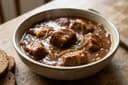 Wieprzowy GulaszIn Poland · same ingredients50%
A traditional, slow-braised lamb stew from the Portuguese countryside, rich with garlic and bay leaf. This dish relies on the quality of the meat and the deep infusion of wine for a succulent result.
According to eatmundo's ingredient comparison, the closest dish to Borrego Estufado from another cuisine is Cochinillo Asado (Spain): the two share 60% of their ingredients.
Ingredients
tick what you already have - the rest goes on your shopping listHow to Make It
- 1
Cut the 1kg of lamb into medium chunks, ensuring you keep some fat for flavor.
- 2
Crush the 6 cloves of garlic and mix them with the 1 tbsp of paprika and salt in a bowl.
- 3
Rub the lamb pieces thoroughly with the garlic and paprika mixture and let marinate for at least 30 minutes.
- 4
Heat the 50g of lard in a large heavy-bottomed pot over medium heat until it is fully melted and shimmering.
- 5
Sear the lamb pieces in the hot lard for about 10 minutes until they develop a beautiful golden-brown crust on all sides.
- 6
Pour in the 300ml of white wine and add the 2 bay leaves, scraping the bottom of the pot to release the flavorful browned bits.
- 7
Cover the pot tightly, reduce heat to low, and let the lamb simmer gently for 60 minutes until the meat is fork-tender.
- 8
Check the sauce; if it is too thin, simmer uncovered for 5 minutes until it reduces to a rich, glossy glaze.
Frequently Asked Questions
What is Borrego Estufado?
Borrego Estufado is a Portuguese lamb stew made with white wine, garlic, bay leaf, lard, and paprika. It is a hearty main dish typically served during family gatherings or traditional rural meals.
What is the best cut of lamb?
The leg or shoulder cut is ideal for braising as it has enough connective tissue to become tender and flavorful.
Can I substitute lard?
Yes, you can use high-quality olive oil, though lard provides a more traditional, authentic depth of flavor.
How do I know the lamb is ready?
The meat should pull away easily from the bone or shred slightly when pressed with a fork.
Should I add water?
Avoid adding water unless the liquid evaporates entirely; you want the lamb to braise in the wine and its own juices.

