Tracing the Spice Route: The Hidden Ties Between Massaman Curry and Mutton Korma
The dishes
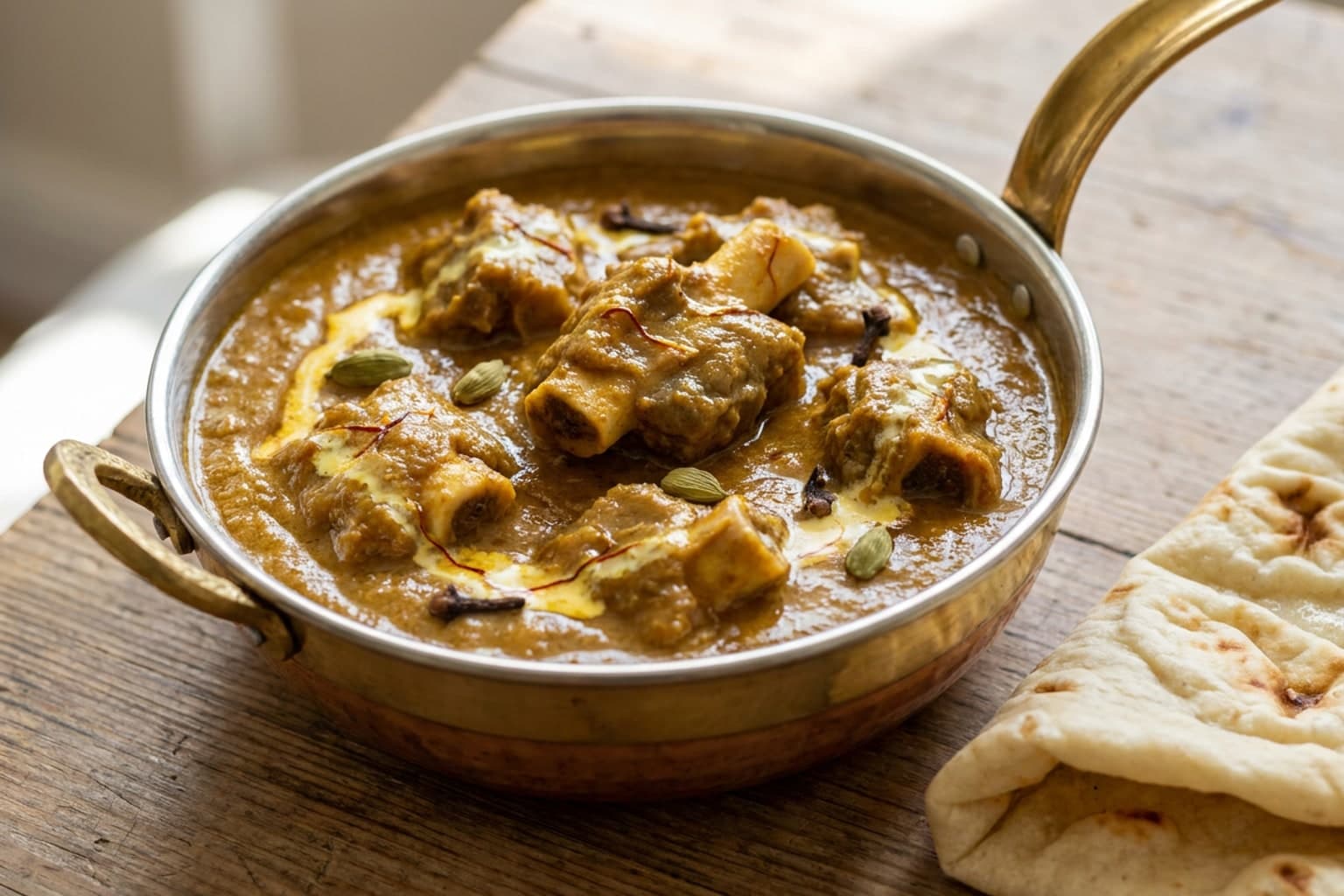
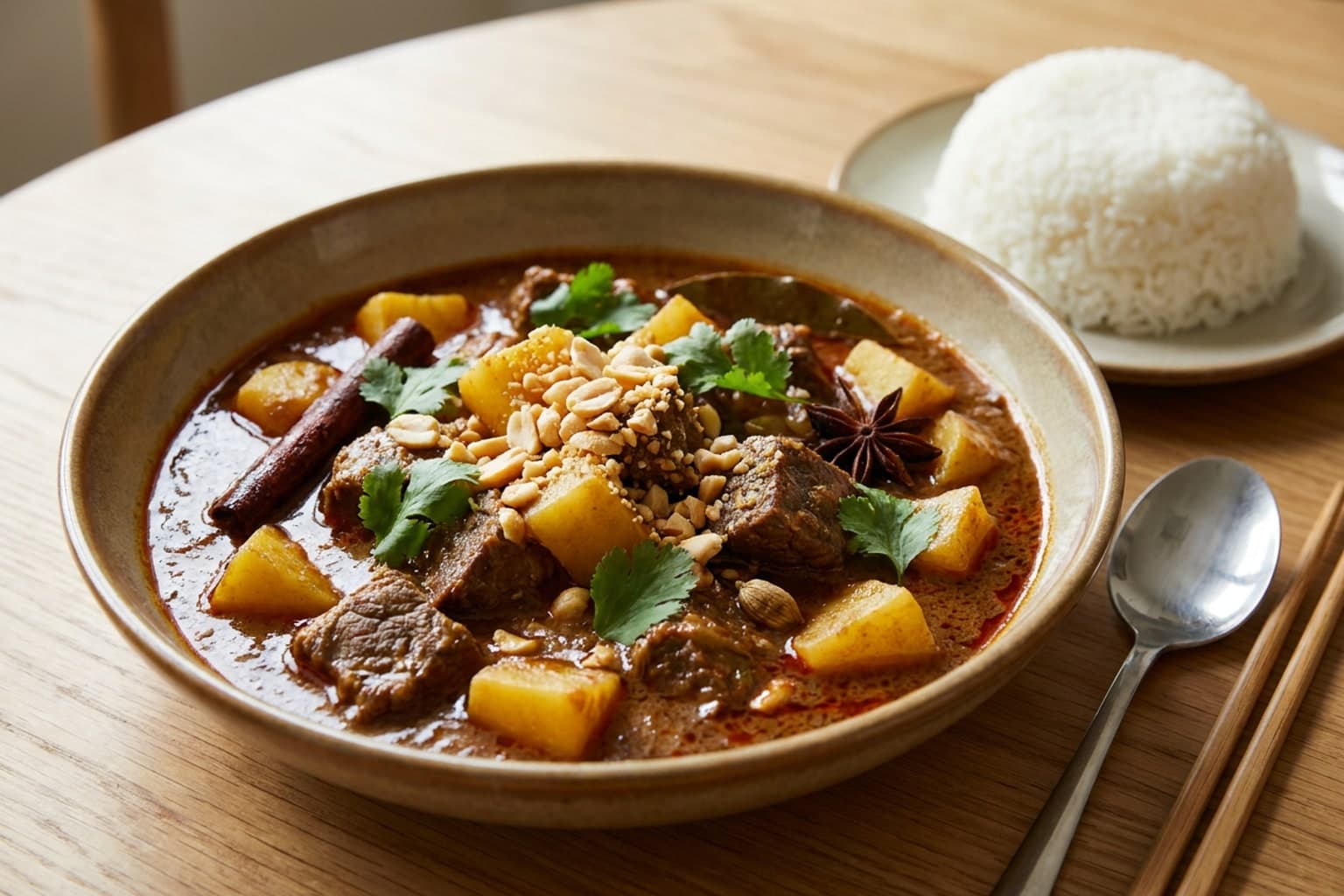
In the tapestry of global culinary history, few threads are as vibrant or as complex as the one connecting the lush landscapes of Thailand to the historic heartland of India. When one sits down to enjoy a bowl of Massaman curry, a dish characterized by its rich, nutty depth, or slices into a tender serving of Mutton Korma, they are participating in a tradition that spans centuries and oceans. These two iconic dishes serve as delicious markers of a time when the spice trade dictated the movement of goods and ideas across the Indian Ocean, leaving a permanent imprint on the local palettes of both nations.
Massaman curry, or Gaeng Massaman, is often lauded as the king of Thai curries, distinguished from its vibrant, chili-forward counterparts by its gentle, warming profile. Its base of coconut milk, combined with dry spices like cinnamon, star anise, and cardamom, creates a flavor experience that feels almost regal. The inclusion of potatoes, roasted peanuts, and beef reflects a fusion of culinary techniques, where the indigenous Thai use of aromatics like cilantro and galangal meets the more complex, dried-spice methodology imported from abroad. It is a dish that speaks to the cosmopolitan nature of the old Siamese kingdom, where foreign influences were integrated with domestic brilliance.
Across the Bay of Bengal, Mutton Korma stands as a cornerstone of Mughal-influenced Indian cuisine. Known for its sophisticated balance of yogurt-based gravy and fragrant, ground spices, the dish is a masterpiece of slow cooking. The mutton is rendered tender through hours of gentle heat, complemented by the sharp bite of ginger garlic paste and the deep warmth of garam masala. Like its Thai counterpart, Mutton Korma relies on a foundation of dried spices that define the Mughal legacy in the region, turning simple proteins into something truly luxurious.
The connection between these two culinary icons is not mere coincidence, but rather the result of a profound historical convergence. The name Massaman is widely accepted by historians to be a derivative of Musulman, the archaic term for Muslim, pointing toward the arrival of Persian and South Asian traders during the 17th-century Ayutthaya period. These traders, who followed established maritime routes, brought with them not only goods but also the culinary traditions of their homelands. The warming spice profile found in Thai Massaman—specifically the use of cardamom, cinnamon, and cloves—mirrors the exact spice palette that underpins the Mughal tradition of korma.
During this era of intense maritime commerce, the influence of Persian culture permeated the royal courts of Southeast Asia. As these traders settled into the Siamese landscape, they adapted their recipes to suit local availability. Coconut milk replaced the cream or yogurt often found in North Indian versions of such braises, and palm sugar provided a local sweetness that balanced the intensity of the imported dry spices. This was not a forced assimilation, but a natural evolution of cooking styles that prioritized the preservation of cultural identities through the medium of food.
The evolution of Mutton Korma in India followed its own path, rooted in the refinement of court kitchens where the goal was to elevate humble ingredients through complex spice layering. Both dishes emerged from a shared cultural sphere shaped by Islamic trade networks that linked the Middle East, India, and Southeast Asia. While the ingredients eventually diverged—Mutton Korma sticking closer to its original dairy-based, Mughal-style preparation, while Massaman curry leaned into the tropical bounty of Thailand—the ancestral DNA of these dishes remains identical.
Ultimately, exploring the relationship between Massaman curry and Mutton Korma invites us to reconsider the boundaries we draw around national cuisines. Food has always been a traveler, migrating across borders long before those borders were formally defined by modern politics. The fact that a dish in Thailand and a dish in India can share such deep historical roots and overlapping flavor profiles is a testament to the power of human connection. It reminds us that our tables are not just sites of nourishment, but maps of the journeys taken by our ancestors.
When we enjoy these meals today, we are not just eating, we are engaging with history. The presence of cinnamon, cardamom, and nutmeg in our bowls is a nod to the merchants who sailed the monsoon winds, carrying the scent of their homes to foreign shores. By understanding the common origin of these dishes, we gain a greater appreciation for the ways in which trade, migration, and cultural synthesis have shaped the world as we know it. These curries are more than just recipes; they are the enduring evidence of a shared global past.