By eatmundo · July 5, 2026

Same ingredients, elsewhere in the world
3 matchesDishes from other countries' kitchens, made from the same core ingredients as Ayva Tatlısı (Quince Dessert). The percentage is the share of ingredients the two recipes have in common.
 Traditional SyllabubIn the United Kingdom · same ingredients55%
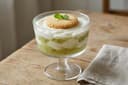 Refreshing British Gooseberry FoolIn the United Kingdom · same ingredients50%
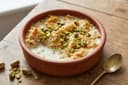 Umm AliIn Egypt · same ingredients50%
Ayva Tatlısı is an elegant and subtly sweet Turkish dessert made from quinces slowly poached until tender and ruby-red in a delicate sugar syrup, often infused with cloves and lemon. Served chilled, typically topped with a dollop of kaymak (Turkish clotted cream) and sprinkled with pistachios, it offers a unique blend of textures and exquisite flavor.
According to eatmundo's ingredient comparison, the closest dish to Ayva Tatlısı from another cuisine is Traditional Syllabub (United Kingdom): the two share 55% of their ingredients.
Ingredients
tick what you already have - the rest goes on your shopping listHow to Make It
- 1
Peel 2 large quinces (750g total), cut them in half, and carefully scoop out the cores, reserving the seeds. Immediately rub the cut surfaces with the juice of half the lemon to prevent browning.
- 2
Place the quince halves, cut-side up, into a wide, heavy-bottomed pot or a shallow Dutch oven. Ensure they fit snugly in a single layer.
- 3
For each quince half, sprinkle about 2-3 tablespoons (30-45g) of granulated sugar directly into the hollowed core. Distribute any remaining sugar around the quinces in the pot.
- 4
Add the reserved quince seeds (they help with the beautiful ruby-red color), 4-5 whole cloves, and the remaining lemon half, cut into thin slices, to the pot. Pour in 250ml of water, ensuring it reaches about halfway up the sides of the quinces.
- 5
Bring the water to a gentle simmer over medium heat. Once simmering, reduce the heat to low, cover the pot tightly, and cook for 1 hour to 1 hour 15 minutes, or until the quinces are fork-tender and have turned a beautiful ruby-red color.
- 6
Once cooked, carefully remove the quinces from the syrup and place them on a serving platter or individual dessert plates. Allow them to cool completely at room temperature, then refrigerate for at least 2-3 hours to chill thoroughly.
- 7
Before serving, drizzle the chilled quinces with some of the thickened syrup from the pot. Top each half generously with a dollop of kaymak (Turkish clotted cream) or whipped cream, and sprinkle with finely chopped pistachios for an added touch of color and crunch.
Frequently Asked Questions
What is Ayva Tatlısı?
Ayva Tatlısı is a Turkish poached quince dessert prepared with sugar, water, lemon, and cloves. It is typically served chilled, often garnished with pistachios and a dollop of cream, as a popular finish to a meal.
What type of quinces are best for Ayva Tatlısı and how can I prevent them from browning during preparation?
Opt for large, firm, and fully yellow quinces for the best flavor and texture. To prevent browning, rub cut quince surfaces with lemon juice immediately and keep them in a bowl of water with lemon slices.
How long should I cook the quinces and what's the ideal doneness for Ayva Tatlısı?
Simmer the quinces for 1 hour to 1 hour 15 minutes, or until they are fork-tender but still hold their shape without falling apart. Cooking time varies based on quince size and ripeness.
How do I achieve the characteristic deep red color of Ayva Tatlısı?
The deep red color comes from the quince's natural pectin reacting with iron, especially from the seeds, during a slow simmer. Ensure you include the reserved quince seeds in the pot while cooking.
Can I reduce the sugar in Ayva Tatlısı, and what happens if I use too little?
While a slight reduction is possible, quince is very tart and requires a good amount of sugar for flavor balance and syrup consistency. Using too little sugar will result in a less flavorful, more tart, and watery dessert.