🇩🇪 Germany · Food
Pichelsteiner Eintopf (Pichelstein Stew)
By eatmundo · July 6, 2026

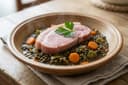
Pichelsteiner Eintopf is a venerable German one-pot stew, bursting with tender beef and pork, alongside a medley of root vegetables. This hearty dish, originating from Bavaria, is celebrated for its rich, slow-cooked flavors and comforting warmth, perfect for chilly days.
Ingredients
check them off as you prepareHow to Make It
- 1
Prepare all your vegetables first: Peel and dice 500g potatoes, 300g carrots, 200g celeriac, and 2 medium onions into roughly 2 cm cubes. Wash and slice 1 medium leek into rings and chop 300g cabbage (white or savoy) into coarse pieces. Mince 2 cloves of garlic.
- 2
In a large, heavy-bottomed pot or Dutch oven (at least 5-6 litre capacity), heat 1 tablespoon of vegetable oil and 1 tablespoon of butter over medium-high heat. Sear 500g cubed beef until browned on all sides, then remove and set aside. Repeat with 500g cubed pork.
- 3
Add the diced onions to the pot and sauté until softened and translucent, about 5 minutes. Then add the minced garlic and cook for another minute until fragrant, being careful not to let it burn.
- 4
Return the seared beef and pork to the pot. Add the diced potatoes, carrots, celeriac, leeks, and cabbage. Stir everything together well, ensuring the vegetables are slightly coated with the meat juices.
- 5
Pour in 1.5 litres of beef broth. Add 2 bay leaves and 4 juniper berries. Season generously with salt and freshly ground black pepper. Bring the stew to a boil, then reduce the heat to low.
- 6
Cover the pot and let the Pichelsteiner Eintopf simmer gently for at least 1.5 to 2 hours, or until both the beef and pork are fork-tender and the vegetables are soft. Stir occasionally to prevent sticking and check the liquid level.
- 7
Taste the stew and adjust the seasoning if necessary. The flavors should be deeply savory and harmonious. If you prefer a thicker stew, you can mash a few potato pieces against the side of the pot. Always trust your palate.
- 8
Serve the Pichelsteiner Eintopf hot, directly from the pot, as a complete and satisfying meal. It's even better the next day, as the flavors have more time to meld and deepen. A sprinkle of fresh parsley is a nice garnish.
Frequently Asked Questions
What is Pichelsteiner Eintopf?+
Pichelsteiner Eintopf is a German stew originating from the Bavarian Forest. It consists of various meats, potatoes, carrots, and onions, seasoned with garlic, bay leaves, and juniper berries. It is typically consumed as a hearty main course, often during colder months.
Which cuts of beef and pork are best suited for Pichelsteiner Eintopf?+
For beef, use stewing cuts like chuck or brisket. For pork, shoulder (Boston butt) or country-style ribs are ideal for their fat content and ability to become tender after slow cooking.
How long should Pichelsteiner Eintopf simmer to achieve tender meat and vegetables?+
This hearty stew requires a slow simmer for at least 2 to 3 hours, or until both the beef and pork are fork-tender and the vegetables are soft but not mushy.
What kind of cabbage is traditionally used in Pichelsteiner Eintopf, and can I substitute it?+
White cabbage or savoy cabbage is traditionally used, as they hold their shape well and provide a mild flavor. While you can substitute with other firm cabbages, avoid overly delicate varieties.
Can Pichelsteiner Eintopf be prepared in advance, and what's the best way to reheat it?+
Absolutely, Pichelsteiner Eintopf often tastes even better the next day as the flavors meld. Reheat gently on the stovetop over low heat, adding a little extra beef broth or water if it has thickened too much.
Mundo Match
Dishes across the world that share Pichelsteiner Eintopf (Pichelstein Stew)'s core ingredients.