By eatmundo · July 5, 2026
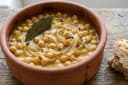
 🇹🇷AI-generated image
Same ingredients, elsewhere in the world
6 matchesDishes from other countries' kitchens, made from the same core ingredients as Nohutlu Pilav (Chickpea Rice Pilaf). The percentage is the share of ingredients the two recipes have in common.
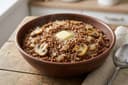
 Creamy Porcini Mushroom RisottoIn Italy · same ingredients· Same technique71%
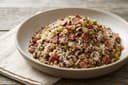
 Kibbet LaqteenIn Lebanon · same ingredients57%
 Karpathian Makarounes with Sitaka CheeseIn Greece · same ingredients50%
Nohutlu Pilav is a comforting and widely beloved Turkish rice pilaf studded with tender chickpeas. Often served from street carts with a side of chicken or enjoyed as a satisfying main, its simple yet profound flavors make it a staple of Turkish cuisine. The fluffy rice and creamy chickpeas create a harmonious and nourishing dish that's both hearty and delightful.
According to eatmundo's ingredient comparison, the closest dish to Nohutlu Pilav from another cuisine is Creamy Porcini Mushroom Risotto (Italy): the two share 71% of their ingredients.
Ingredients
tick what you already have - the rest goes on your shopping listHow to Make It
- 1
If using dried chickpeas, soak 200 grams (1 cup) overnight. The next day, drain and cook them in fresh water for 45-60 minutes until tender but not mushy. If using canned chickpeas, rinse and drain them thoroughly. You should have about 300 grams (1.5 cups) cooked chickpeas.
- 2
Rinse 300 grams (1.5 cups) of baldo rice (or other medium-grain rice) under cold running water until the water runs clear. Transfer the rinsed rice to a bowl, cover it with 1 l of warm water, and let it soak for 15-20 minutes. This helps the grains cook evenly and become fluffy.
- 3
In a large, heavy-bottomed pot (ideally non-stick), melt 2 tablespoons of butter with 1 tablespoon of olive oil over medium heat. Add 1 finely diced small onion and sauté for 5-7 minutes until it becomes translucent and soft, taking care not to let it brown.
- 4
Drain the soaked rice thoroughly and add it to the pot with the sautéed onion. Sauté the rice for another 3-5 minutes, stirring gently, until the grains become slightly translucent around the edges and make a soft, crackling sound. This toasting step is crucial for separate, fluffy grains.
- 5
Stir in the 300 grams (1.5 cups) of cooked chickpeas, 1 teaspoon of salt, and 1/2 teaspoon of black pepper. Mix gently to combine, ensuring the chickpeas are evenly distributed throughout the rice.
- 6
Pour in 450 ml of hot vegetable broth. Bring the mixture to a rolling boil over high heat, stirring once to ensure nothing sticks to the bottom of the pot. Taste and adjust seasoning if needed.
- 7
Once boiling, immediately reduce the heat to the lowest setting, cover the pot tightly with a lid, and let it simmer undisturbed for 15-18 minutes. Do not lift the lid during this time – let the steam work its magic to cook the rice perfectly.
- 8
After 15-18 minutes, remove the pot from the heat and let it rest, still covered, for an additional 10 minutes. This resting period allows the steam to redistribute, resulting in incredibly fluffy rice. Finally, fluff the pilaf gently with a fork and serve hot.
Frequently Asked Questions
What is Nohutlu Pilav?
Nohutlu Pilav is a Turkish rice pilaf made with chickpeas, olive oil, butter, and broth. It is a common street food and home-cooked staple typically served as a main dish or a hearty side during lunch and dinner.
Which type of rice is best for Nohutlu Pilav to achieve the desired texture?
Baldo or another medium-grain rice is ideal for Nohutlu Pilav, as it cooks up fluffy and separate, preventing the pilaf from becoming sticky. Soaking the rice beforehand also contributes to a superior texture.
Should I use dried or canned chickpeas, and how should they be prepared for Nohutlu Pilav?
While canned chickpeas are convenient and can be used after rinsing, traditional Nohutlu Pilav often benefits from dried chickpeas soaked overnight and then boiled until tender. This yields a richer, earthier flavor and better texture.
What is the correct liquid-to-rice ratio and cooking method to ensure fluffy pilaf and not a mushy one?
For 300 g of rinsed and soaked baldo rice, use 450 ml of hot vegetable broth. First sauté the onion, then toast the drained rice in the butter and oil, stir in the chickpeas and seasoning, and pour in the hot liquid. Bring it to a boil, then immediately reduce the heat to the lowest setting, cover tightly and cook undisturbed for 15-18 minutes. Rest the pilaf covered for 10 minutes before fluffing.
What kind of broth should I use, or how can I enhance the overall flavor of the pilaf?
Vegetable broth adds significant depth of flavor compared to just water. For an even richer taste, sauté the onions in butter and olive oil until soft and translucent, without browning, before adding the rice and liquid.
🇹🇷AI-generated image