🇮🇹 Italy · Dessert
Sfogliatella Riccia (Neapolitan Flaky Pastry)
By eatmundo · July 7, 2026
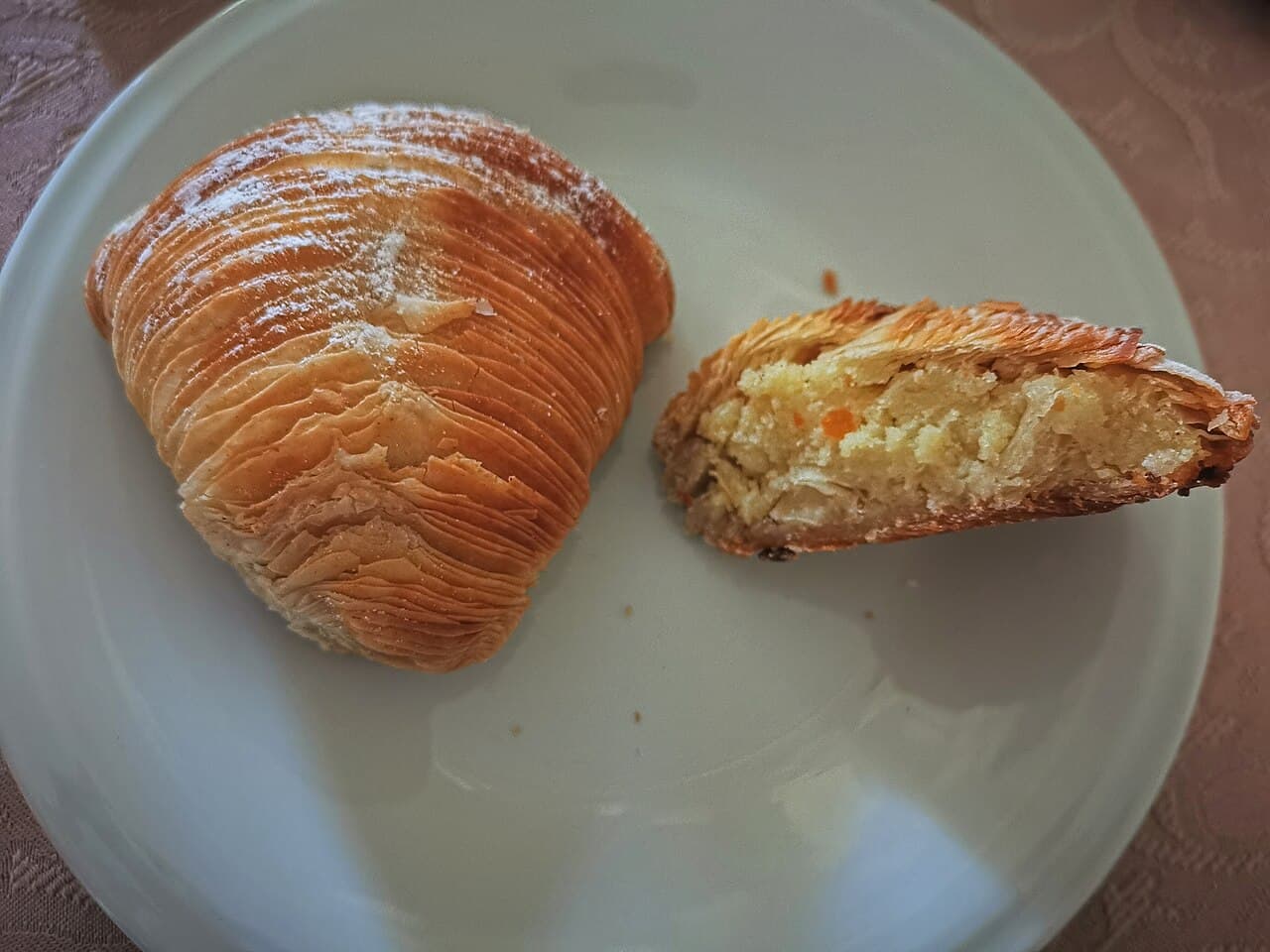
Sfogliatella Riccia is a masterpiece of Neapolitan pastry, characterized by its distinctive shell shape and countless delicate, crisp layers. Each golden curl encases a creamy, aromatic filling of sweet ricotta, semolina, candied fruits, and citrus zest, offering a truly divine textural and flavor experience.
Ingredients
check them off as you prepareHow to Make It
- 1
Prepare the Dough (Pasta Sfogliatella): In a large bowl, combine 500g of strong bread flour, 200ml of water, and a pinch of salt. Knead vigorously for 15-20 minutes until a very firm, elastic dough forms. Cover with plastic wrap and let it rest at room temperature for at least 30 minutes. This develops the gluten.
- 2
Laminate the Dough: On a lightly floured surface, roll the dough into a very thin, rectangular sheet (approx. 70x30 cm or 28x12 inches). Spread 200g of softened lard (or unsalted butter) evenly over the entire surface. Starting from the short end, tightly roll the dough into a cylinder.
- 3
Chill the Dough: Wrap the dough cylinder tightly in plastic wrap and refrigerate for at least 2 hours, or ideally overnight. This chilling step is crucial for the lard to solidify and for the layers to properly form during baking, creating the signature "riccia" texture.
- 4
Prepare the Filling: In a saucepan, bring 150ml of milk and 50g of sugar to a gentle simmer. Slowly whisk in 50g of fine semolina, stirring constantly until it thickens into a creamy porridge (about 5 minutes). Let it cool completely.
- 5
Finish the Filling: Once the semolina mixture is cool, combine it in a bowl with 400g of fresh ricotta cheese (drained), 100g of candied orange peel and 50g of candied citron (finely diced), 1 large egg yolk, ½ teaspoon of cinnamon, and the zest of 1 orange. Mix until smooth and well combined.
- 6
Shape the Sfogliatelle: Remove the dough from the fridge. Slice the cylinder into 10 equal rounds, about 2 cm (¾ inch) thick. With your thumb, gently push and roll each round from the center outwards, carefully expanding it into a cone-shaped pocket without tearing the layers.
- 7
Fill and Bake: Spoon a generous amount of the ricotta filling into each dough cone, ensuring it's well-packed. Gently pinch the open end to seal, shaping it into the classic shell. Place the sfogliatelle on a baking sheet lined with parchment paper. Bake in a preheated oven at 190°C (375°F) for 25-30 minutes, or until deeply golden brown and flaky.
- 8
Cool and Serve: Once baked, remove the sfogliatelle from the oven and let them cool on a wire rack for a few minutes. While still warm, dust them generously with powdered sugar. Serve immediately to enjoy their exquisite warmth, crispy layers, and rich, aromatic filling.
Frequently Asked Questions
What is Sfogliatella Riccia?+
Sfogliatella Riccia is a shell-shaped, flaky pastry originating from Campania, Italy. It consists of thin, lard-enriched dough layers filled with a mixture of semolina, ricotta, candied citrus, and cinnamon, typically consumed as a breakfast or mid-morning pastry.
Can I use butter instead of lard for the dough?+
While traditional sfogliatelle use lard for its unique flakiness and crispness, unsalted butter can be used as a substitute. The texture might be slightly different but still delicious.
Why is chilling the dough so important?+
Chilling allows the lard (or butter) to solidify within the dough layers, preventing it from melting too quickly during rolling and ensuring distinct, separate layers when baked.
Can I prepare the filling in advance?+
Yes, the ricotta and semolina filling can be prepared a day ahead and stored in an airtight container in the refrigerator. Bring it to room temperature slightly before filling the pastries.
What if my dough tears while shaping?+
If the dough tears slightly, gently try to press it back together. If the tear is significant, it's better to reshape that piece or use it for practice, as tears can cause filling to leak during baking.
Mundo Match
This dish doesn't have a strong Mundo Match yet — but here's the closest ingredient overlap we found across the world's cuisines.