By eatmundo · August 3, 2026
 🇯🇵AI-generated image
Same ingredients, elsewhere in the world
1 matchThis dish doesn't have a strong Mundo Match yet — but here's the closest ingredient overlap we found across the world's cuisines. The percentage is the share of ingredients the two recipes have in common.
Same technique: Noodle55 recipes from 12 countries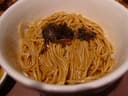
A comforting Japanese fusion dish where hot, chewy udon noodles are tossed with butter and egg to create a rich, carbonara-like sauce. It is a quick and satisfying meal perfect for a busy weeknight.
According to eatmundo's ingredient comparison, the closest dish to Kama-tama Butter Udon from another cuisine is Scallion Oil Noodles (China): the two share 40% of their ingredients.
Ingredients
tick what you already have - the rest goes on your shopping listHow to Make It
- 1
Bring 2 liters of water to a boil in a large pot and cook 400g udon noodles according to package instructions, usually about 3-5 minutes.
- 2
While the noodles cook, thinly slice 2 scallions and cut the nori sheet into fine shreds with scissors.
- 3
Drain the noodles, but do not rinse them; keep them hot as the residual heat is essential to gently cook the egg and melt the butter.
- 4
Divide the hot noodles immediately into two large serving bowls.
- 5
Add 15g of cold butter to the center of each bowl; the heat of the noodles will begin to soften the butter instantly.
- 6
Place one raw egg yolk right on top of the butter in each bowl.
- 7
Drizzle 1 tbsp soy sauce over each bowl and toss everything vigorously with chopsticks for 30 seconds until the egg and butter form a creamy emulsion.
- 8
Top with the sliced scallions and shredded nori before serving while still steaming.
Frequently Asked Questions
What is Kama-tama Butter Udon?
Kama-tama butter udon is a Japanese noodle dish consisting of hot udon tossed with egg yolk, butter, soy sauce, scallions, and nori. It is typically served as a quick, comforting meal where the heat of the noodles emulsifies the egg and butter into a creamy sauce.
Can I use dried udon instead of frozen?
Yes, but frozen udon typically has a superior, chewier texture that holds up better to the rich butter sauce.
Is it safe to eat the raw egg?
Japanese eggs are not generally pasteurized; they are washed, graded and produced under strict hygiene controls so they can be eaten raw. Outside Japan, freshness alone does not remove the risk of salmonella, so use pasteurized eggs, especially when serving children, pregnant women, the elderly or anyone with a weakened immune system.
Can I add other toppings?
Yes, bacon bits, bonito flakes, or a pinch of shichimi togarashi (seven-spice blend) work perfectly for extra flavor.
Why shouldn't I rinse the noodles?
The starch remaining on the surface of the noodles helps the sauce emulsify and cling to the strands, creating a creamy texture.
🇯🇵AI-generated image