By eatmundo · July 6, 2026
 🇩🇪AI-generated image
Same ingredients, elsewhere in the world
3 matchesDishes from other countries' kitchens, made from the same core ingredients as Eisbein (Boiled Pork Hocks). The percentage is the share of ingredients the two recipes have in common.
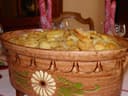 Baeckeoffe: Alsatian Three-Meat and Potato StewIn France · same ingredients· Same technique54%
 Pot-au-feuIn France · same ingredients52%
 Poule au Pot: The French Royal Chicken StewIn France · same ingredients50%
Eisbein, literally 'ice leg,' is a hearty German dish featuring cured and boiled pork hock, often from a fresh (uncured) cut in Berlin and served with sauerkraut and potatoes. It's a true comfort food, tender and flavorful, providing a delightful contrast to the crispy roasted Schweinshaxe.
According to eatmundo's ingredient comparison, the closest dish to Eisbein from another cuisine is Baeckeoffe (France): the two share 54% of their ingredients.
Ingredients
tick what you already have - the rest goes on your shopping listHow to Make It
- 1
To begin, thoroughly rinse the 2 lightly cured (gepökelt) pork hocks under cold running water. If they are very salty, soak them in cold water for 2 hours first. Do not use smoked hocks, which belong to other dishes. Pat them dry with paper towels.
- 2
In a large pot (at least 5-6 liters), combine the halved onion, roughly chopped carrot, washed and chopped leek, diced celery root, 2 bay leaves, 6-8 juniper berries, 1 teaspoon black peppercorns, 2 teaspoons salt, and 2 tablespoons white wine vinegar (if using). Add enough cold water to completely cover the pork hocks.
- 3
Bring the water to a gentle boil, then reduce the heat to a low simmer. Carefully lower the pork hocks into the simmering liquid. The hocks should be fully submerged; if not, add a little more water. Cook for approximately 2.5 to 3 hours, or until the meat is incredibly tender and easily pulls away from the bone.
- 4
While the Eisbein simmers, prepare your side dishes. Peel 800g of boiling potatoes and cook them in a separate pot of salted water until fork-tender, usually about 20-25 minutes. Drain well and keep warm.
- 5
In another small saucepan, gently heat 500g of sauerkraut over low to medium heat for about 10-15 minutes, stirring occasionally. You can add a splash of the Eisbein cooking liquid for extra flavor, if desired. Don't let it dry out; it should be moist and tangy.
- 6
Once the pork hocks are tender, carefully remove them from the pot and let them rest for a few minutes. To serve, place a hock on each plate alongside generous portions of the hot boiled potatoes and warm sauerkraut. Offer strong German mustard on the side for a pungent kick.
- 7
Optionally, you can drizzle a small amount of the flavorful cooking broth over the meat and vegetables before serving, as this adds moisture and deepens the taste. Ensure everything is served piping hot for the best enjoyment of this traditional German fare.
Frequently Asked Questions
What is Eisbein?
Eisbein is a German dish of a lightly cured (gepökelt), boiled pork hock. It is typically served with sauerkraut, boiled potatoes and strong mustard, and is a hearty main meal, especially in Berlin and northern Germany.
What type of pork hock is best for traditional Eisbein, and should it be pre-cured?
For authentic Eisbein, use lightly cured (gepökelt) but unsmoked pork hocks, typically from the front leg. Smoked hocks are meant for other dishes. Fresh, uncured hocks also become tender, but the meat will be grey rather than pink and less savory.
How can I tell if my Eisbein is perfectly cooked and tender, without overcooking it?
The Eisbein is done when the meat is extremely tender and easily pulls away from the bone with a fork. It usually takes 2.5 to 3 hours of simmering, but the best indicator is the meat's texture, not just the clock.
Given the ingredients, how do I ensure the final dish isn't too greasy or too acidic?
The long simmering process renders fat from the hocks into the broth, which can be skimmed if desired. The white wine vinegar and sauerkraut provide essential acidity to cut through the richness, so ensure they're balanced rather than overpowering.
What is a common mistake when boiling Eisbein that can lead to bland results?
A common mistake is not using enough aromatic vegetables and spices in the simmering broth. Juniper berries, bay leaves, peppercorns, and root vegetables like onion, carrot, and celery root are crucial for infusing deep flavor into the pork.
🇩🇪AI-generated image