By eatmundo · August 3, 2026

Same ingredients, elsewhere in the world
3 matchesDishes from other countries' kitchens, made from the same core ingredients as Carne de Porco à Alentejana. The percentage is the share of ingredients the two recipes have in common.
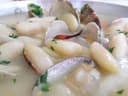 Fabes con Almejas (Asturian Beans with Clams)In Spain · same ingredients· Same technique59%
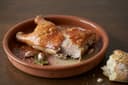 Cochinillo Asado (Roast Suckling Pig)In Spain · same ingredients55%
 Rillettes de Porc: Traditional French Potted Pork SpreadIn France · same ingredients53%
A classic land-and-sea pairing from the Alentejo region, featuring succulent marinated pork chunks and tender clams. The key is a long, fragrant marinade that infuses the pork with deep, savory character.
According to eatmundo's ingredient comparison, the closest dish to Carne de Porco à Alentejana from another cuisine is Fabes con Almejas (Spain): the two share 59% of their ingredients.
Ingredients
tick what you already have - the rest goes on your shopping listHow to Make It
- 1
Cut the pork into 3cm cubes and combine in a bowl with minced garlic, bay leaves, paprika, salt, and white wine, leaving it to marinate for at least 2 hours.
- 2
Heat the lard in a heavy-bottomed pot over medium heat until melted and shimmering.
- 3
Remove the pork from the marinade (reserve the liquid) and brown the meat in the hot lard for 8 minutes until evenly colored.
- 4
Pour the reserved marinade into the pot, reduce the heat to low, cover, and simmer for 40 minutes until the pork is tender.
- 5
While the pork simmers, soak 1 kg of clams in cold salted water to remove sand, scrubbing the shells clean.
- 6
Add the cleaned clams to the pot, cover, and steam for 5-7 minutes until all shells have popped open completely.
- 7
Discard any unopened clams and garnish with chopped fresh coriander before serving directly from the pot.
Frequently Asked Questions
What is Carne de Porco à Alentejana?
Carne de Porco à Alentejana is a traditional Portuguese dish originating from the Alentejo region. It consists of marinated pork combined with clams and a base of garlic, paprika, and wine. It is typically served as a main course for lunch or dinner.
Can I use butter instead of lard?
Lard is traditional for the authentic flavor profile, but olive oil is a acceptable modern substitute.
What kind of pork cut works best?
Pork shoulder or loin is ideal as they become tender and succulent during the braising process.
Do I really need to marinate for 2 hours?
Yes, the pork needs sufficient time to absorb the wine and paprika to achieve the correct regional flavor.
Should I keep the shells in the final dish?
Yes, serving with shells is standard presentation; just ensure they are scrubbed very thoroughly beforehand.