Bungeoppang (Korean Fish-Shaped Pastry) vs Traditional Welsh Cakes (Picau ar y Maen)
See how these two dishes stack up, ingredient by ingredient.
 🇰🇷 KR
🇰🇷 KRBungeoppang (Korean Fish-Shaped Pastry)
View full recipe → 🇬🇧 UK
🇬🇧 UKTraditional Welsh Cakes (Picau ar y Maen)
View full recipe →67%mundo
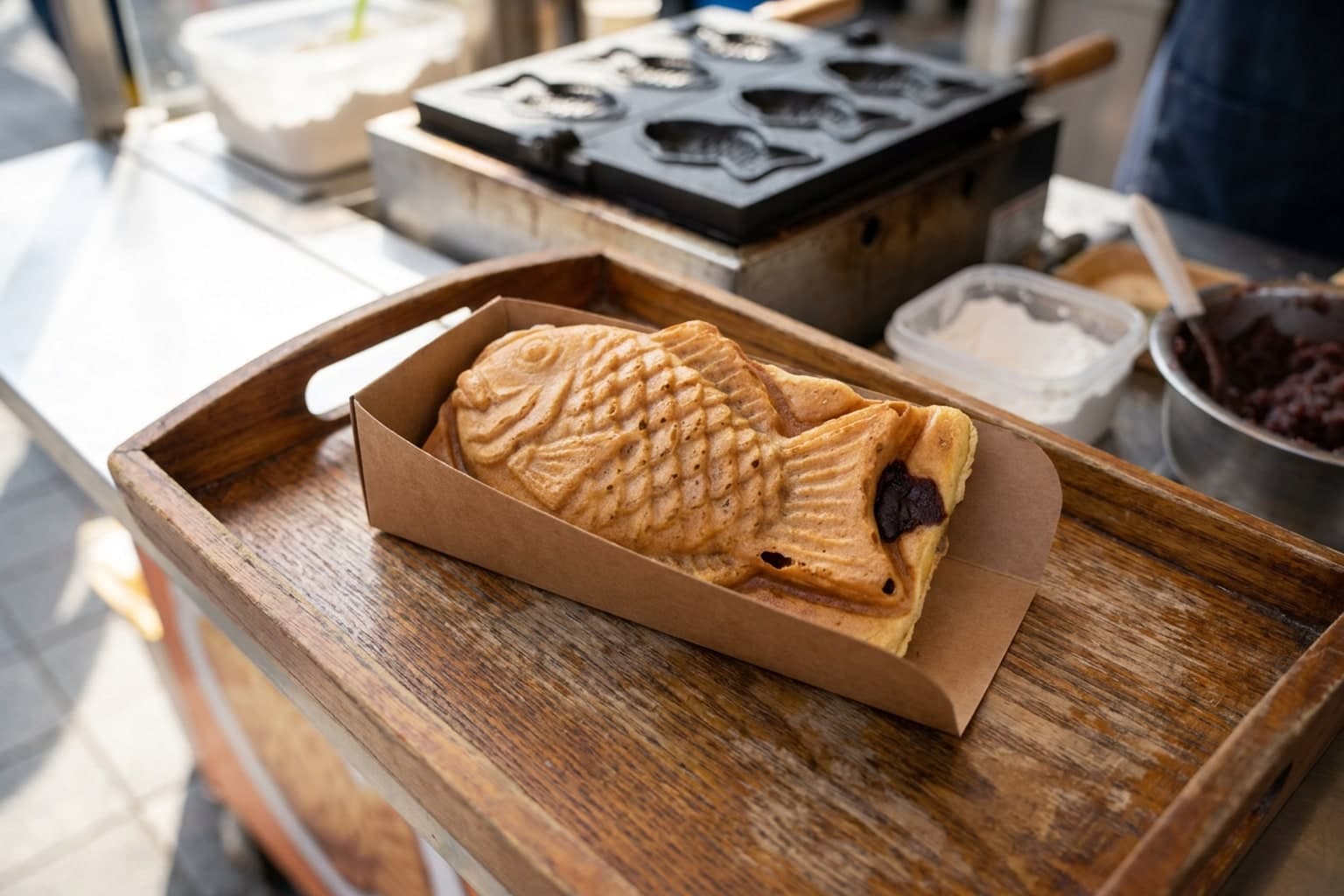
Bungeoppang and Welsh cakes both utilize a foundation of milk, sugar, eggs, and baking powder to create distinct textural experiences. While the Korean pastry features a crisp, waffle-like shell yielding to a dense, sweet red bean filling, the Welsh cake relies on butter and spices to produce a crumbly, scone-like interior punctuated by currants. The shared ingredients serve as a neutral structure for Bungeoppang’s smooth legume-based sweetness and the bold, buttery, and spiced profile of the fruit-laden Welsh cake.
Prep time, calories & servings
Bungeoppang (Korean Fish-Shaped Pastry)
⏱ 45 min
A great way to spend your free time
🔥 220 kcal
Nicely balanced
🍽 10 servings
Feeds a crowd
Traditional Welsh Cakes (Picau ar y Maen)
⏱ 20 min
Quicker than a pizza delivery
🔥 175 kcal
Light bite
🍽 12 servings
Feeds a crowd
What they have in common
Milk
Milk
Baking powder
Baking powder
Sugar
Sugar
Egg
Egg
What's different
Only in Bungeoppang (Korean Fish-Shaped Pastry)
- Sweet red bean paste
Only in Traditional Welsh Cakes (Picau ar y Maen)
- Currant
- Butter
- Spice