Bungeoppang (Korean Fish-Shaped Pastry) vs Koulourakia: Traditional Greek Butter Cookies
See how these two dishes stack up, ingredient by ingredient.
 🇰🇷 KR
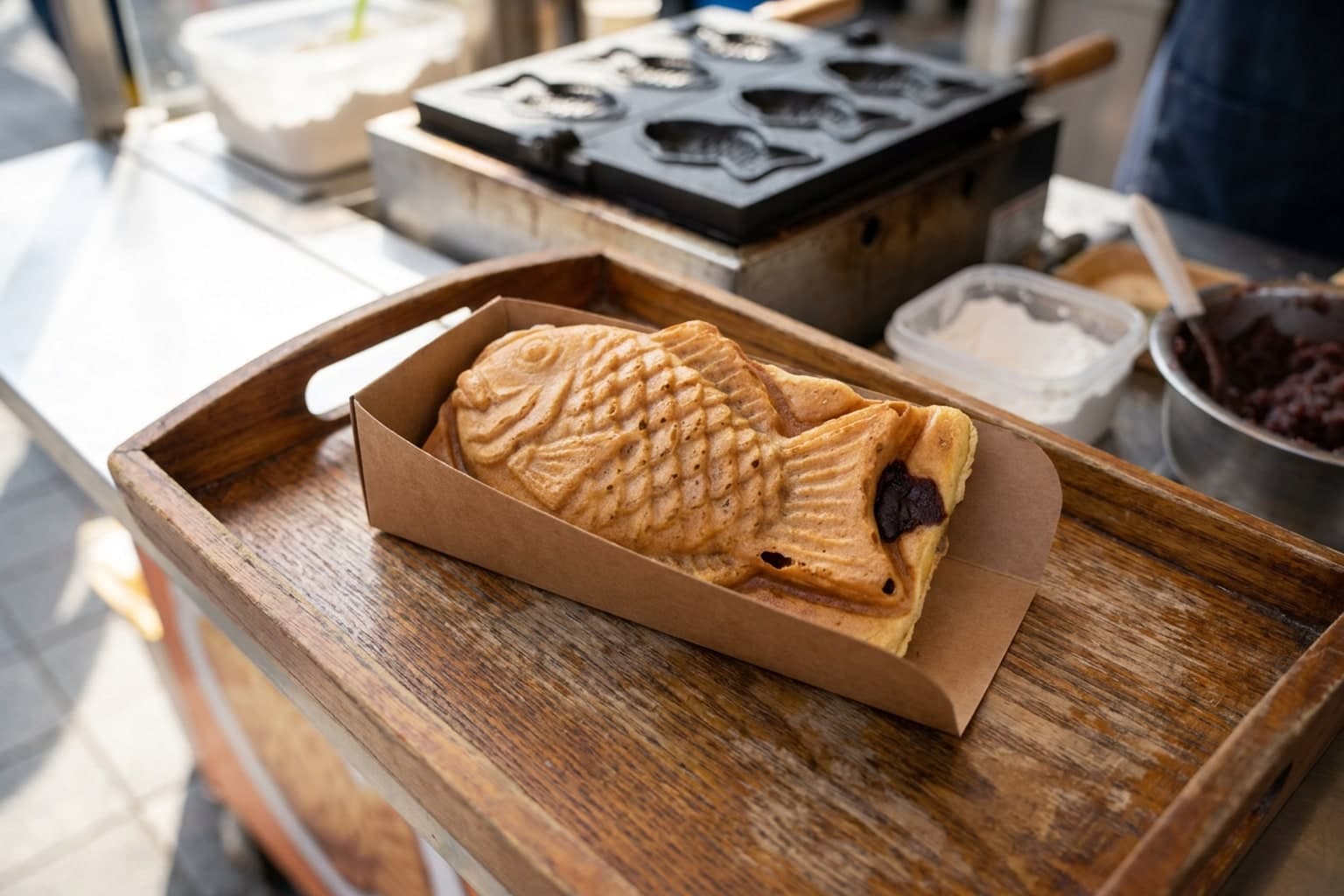
🇰🇷 KRBungeoppang (Korean Fish-Shaped Pastry)
View full recipe →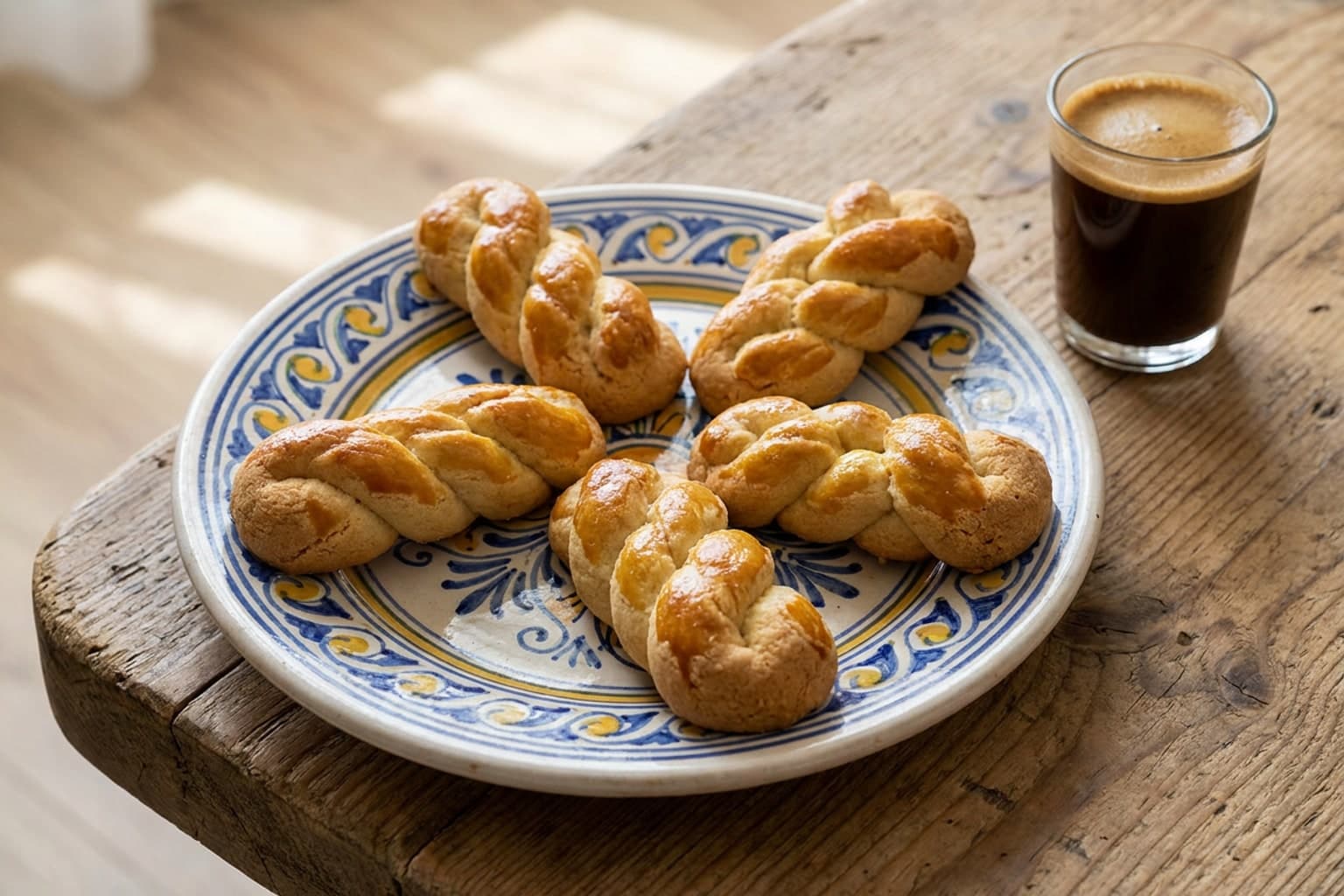 🇬🇷 GR
🇬🇷 GRKoulourakia: Traditional Greek Butter Cookies
View full recipe →67%mundo
Bungeoppang and Koulourakia offer distinct sensory experiences through their unique application of shared staples like eggs and milk. While the former utilizes a batter-based approach to encase earthy red bean paste in a crisp, waffle-like shell, the latter relies on a rich, butter-forward dough perfumed with citrus and vanilla to achieve a structured, crumbly bite. These fundamental differences in fat content and structural technique ensure that each treat maintains a singular identity, ranging from a soft, warm filling to a firm, aromatic cookie.
Prep time, calories & servings
Bungeoppang (Korean Fish-Shaped Pastry)
⏱ 45 min
A great way to spend your free time
🔥 220 kcal
Nicely balanced
🍽 10 servings
Feeds a crowd
Koulourakia: Traditional Greek Butter Cookies
⏱ 40 min
A relaxed effort
🔥 120 kcal
Light bite
🍽 25 servings
Feeds a crowd
What they have in common
Milk
Milk
Baking powder
Baking Powder
Sugar
Sugar
Egg
Egg
What's different
Only in Bungeoppang (Korean Fish-Shaped Pastry)
- Sweet red bean paste
Only in Koulourakia: Traditional Greek Butter Cookies
- Orange Zest
- Butter
- Vanilla Extract