Dorayaki (Japanese Red Bean Pancakes) vs Bungeoppang (Korean Fish-Shaped Pastry)
See how these two dishes stack up, ingredient by ingredient.
 🇯🇵 JP
🇯🇵 JPDorayaki (Japanese Red Bean Pancakes)
View full recipe →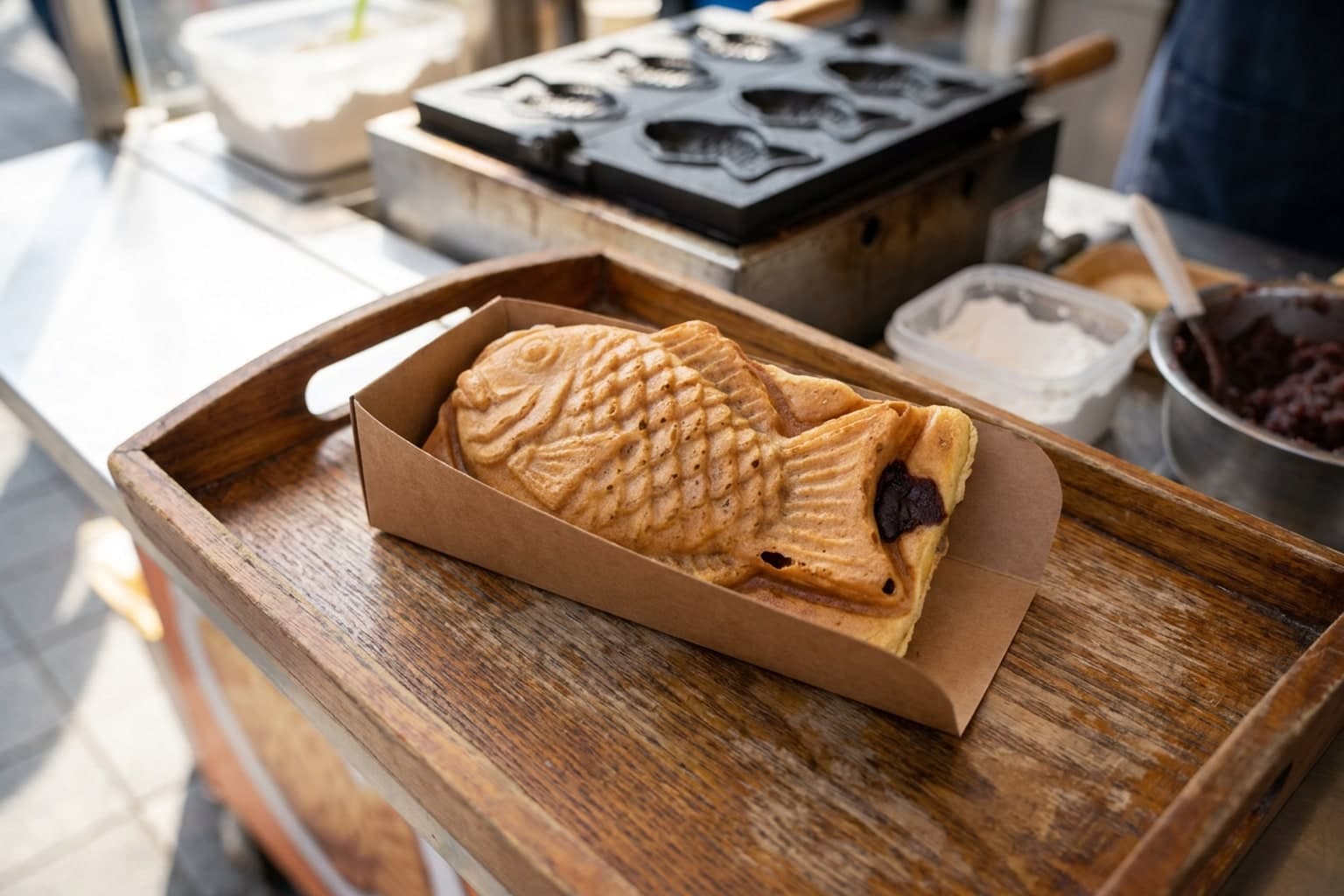 🇰🇷 KR
🇰🇷 KRBungeoppang (Korean Fish-Shaped Pastry)
View full recipe →73%mundo
Dorayaki and Bungeoppang both highlight sweetened red bean paste, yet they rely on distinct techniques to define their identities. Dorayaki features honey and mirin in a pancake-like batter, yielding a soft, airy crumb with a subtle, delicate sweetness. Conversely, Bungeoppang incorporates milk into a crispier, molded batter that mimics a waffle-like crunch. While both utilize eggs, sugar, and baking powder, the former prioritizes a pillowy, elegant sponge, whereas the latter emphasizes a textured, caramelized exterior that yields to a warm, dense center.
Prep time, calories & servings
Dorayaki (Japanese Red Bean Pancakes)
⏱ 40 min
A relaxed effort
🔥 250 kcal
Nicely balanced
🍽 3 servings
Great for the family
Bungeoppang (Korean Fish-Shaped Pastry)
⏱ 45 min
A great way to spend your free time
🔥 220 kcal
Nicely balanced
🍽 10 servings
Feeds a crowd
What they have in common
Baking powder
Baking powder
Sweet red bean paste
Sweet red bean paste
Sugar
Sugar
Egg
Egg
What's different
Only in Dorayaki (Japanese Red Bean Pancakes)
- Honey
- Mirin
Only in Bungeoppang (Korean Fish-Shaped Pastry)
- Milk