A Tale of Two Cutlets: The Shared Culinary Heritage of Wiener Schnitzel and Cotoletta alla Milanese
The dishes
 🇩🇪 DE
🇩🇪 DE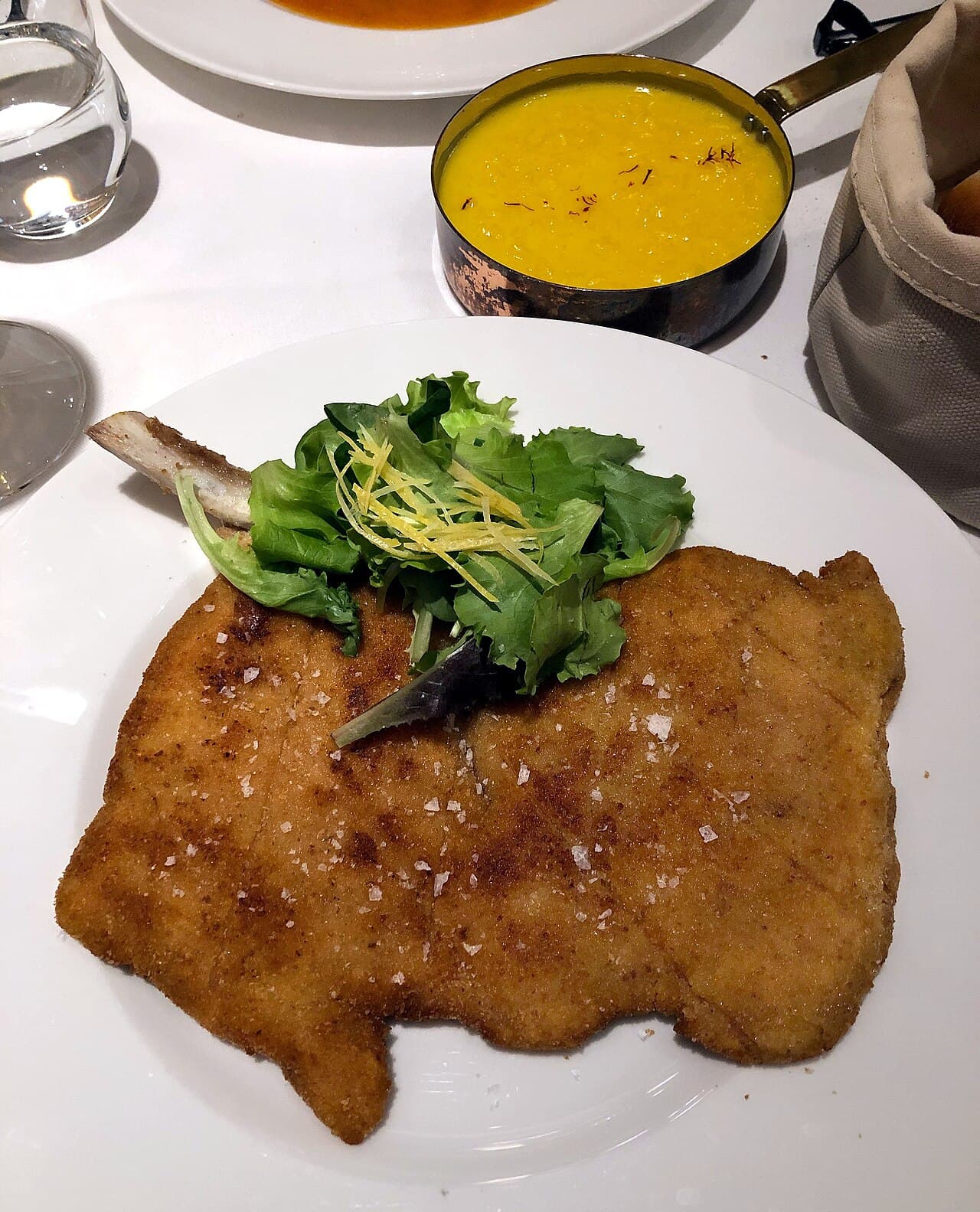 🇮🇹 IT
🇮🇹 ITThe golden, crispy crust of a perfectly fried veal cutlet is a sight that transcends borders, evoking a sense of comfort found in dining rooms from Vienna to Milan. Whether one is tucking into a tender Wiener Schnitzel in an Austrian tavern or savoring a buttery Cotoletta alla Milanese in a Lombard trattoria, the sensory experience is remarkably similar. Yet, these two pillars of European gastronomy share more than just a primary ingredient and a frying pan; they are linked by a complex history of regional movement, geopolitical shifts, and the subtle, steady migration of culinary traditions across the heart of 19th-century Europe.
The Wiener Schnitzel has long been considered the quintessential emblem of Austrian cuisine. Traditionally prepared by pounding a prime veal cutlet until thin, dredging it in flour, beaten eggs, and breadcrumbs, and then frying it in clarified butter, the dish represents a masterful balance of simplicity and precision. In the vibrant culinary landscape of Vienna, the Schnitzel is treated with near-sacred reverence. It is a dish defined by the quality of the meat and the lightness of its golden exterior, often served with a simple wedge of lemon and a side of potato salad, reflecting the refined yet hearty nature of Austrian dining culture.
In Italy, the Cotoletta alla Milanese occupies a similarly prestigious position in the cultural canon of Lombardy. Historically, the traditional Milanese preparation emphasizes the bone-in veal chop, which is famously fried in copious amounts of butter to achieve a deep, nutty flavor and a delicate, crunchy texture. Unlike many other Italian preparations that might rely on tomato or herbs, the Cotoletta focuses entirely on the integrity of the high-quality veal and the technique of the breading. It is a dish that speaks to the agricultural richness of Northern Italy, where butter has long reigned supreme over the olive oils of the south.
The connection between these two dishes is rooted in the geopolitical reality of the 19th century, specifically during the era of the Austrian Empire's administration over the Kingdom of Lombardy-Venetia. As the Habsburg administration exerted its influence over Northern Italy, a constant, bidirectional flow of military personnel, civil servants, and administrators moved between Milan and Vienna. This era of occupation acted as a conduit for cultural exchange, allowing local customs, tastes, and recipes to cross paths, settle, and eventually adapt to the local preferences of each capital.
While it is a popular historical legend that Field Marshal Joseph Radetzky himself personally imported the recipe to Vienna following his campaigns in Italy, historians largely view this narrative as a 20th-century myth. Such stories were often constructed to add a layer of romantic prestige to culinary icons, providing a clear, singular origin story where, in reality, the process was far more organic. There is no evidence of a dramatic singular introduction; instead, it was the steady presence of these administrators and soldiers that facilitated the quiet migration of the dish.
The true history of the Wiener Schnitzel and the Cotoletta alla Milanese lies in this gradual, multifaceted integration. As Austrian officers spent time in Lombardy, they became familiar with the local veal preparations, while the Milanese elite interacted with the evolving food culture of the broader Habsburg empire. This environment of sustained interaction provided the essential mechanism for the dish to travel, evolve, and take root in its respective soil, slowly developing the regional nuances that distinguish a Viennese preparation from a Milanese one today.
Ultimately, the story of these two cutlets serves as a poignant reminder that food is rarely an island. The parallel evolution of the Wiener Schnitzel and the Cotoletta alla Milanese illustrates how culinary traditions are shaped by the lived experiences of the people who carry them. When we sit down to a meal of breaded veal, we are not just enjoying a simple fried cutlet; we are engaging with the layered history of European movement, where cultural borders were blurred not by grand decrees, but by the shared, daily necessity and enjoyment of a good meal.