From Ottoman Tradition to Berlin Staple: The Story of the Döner Kebab
The dishes
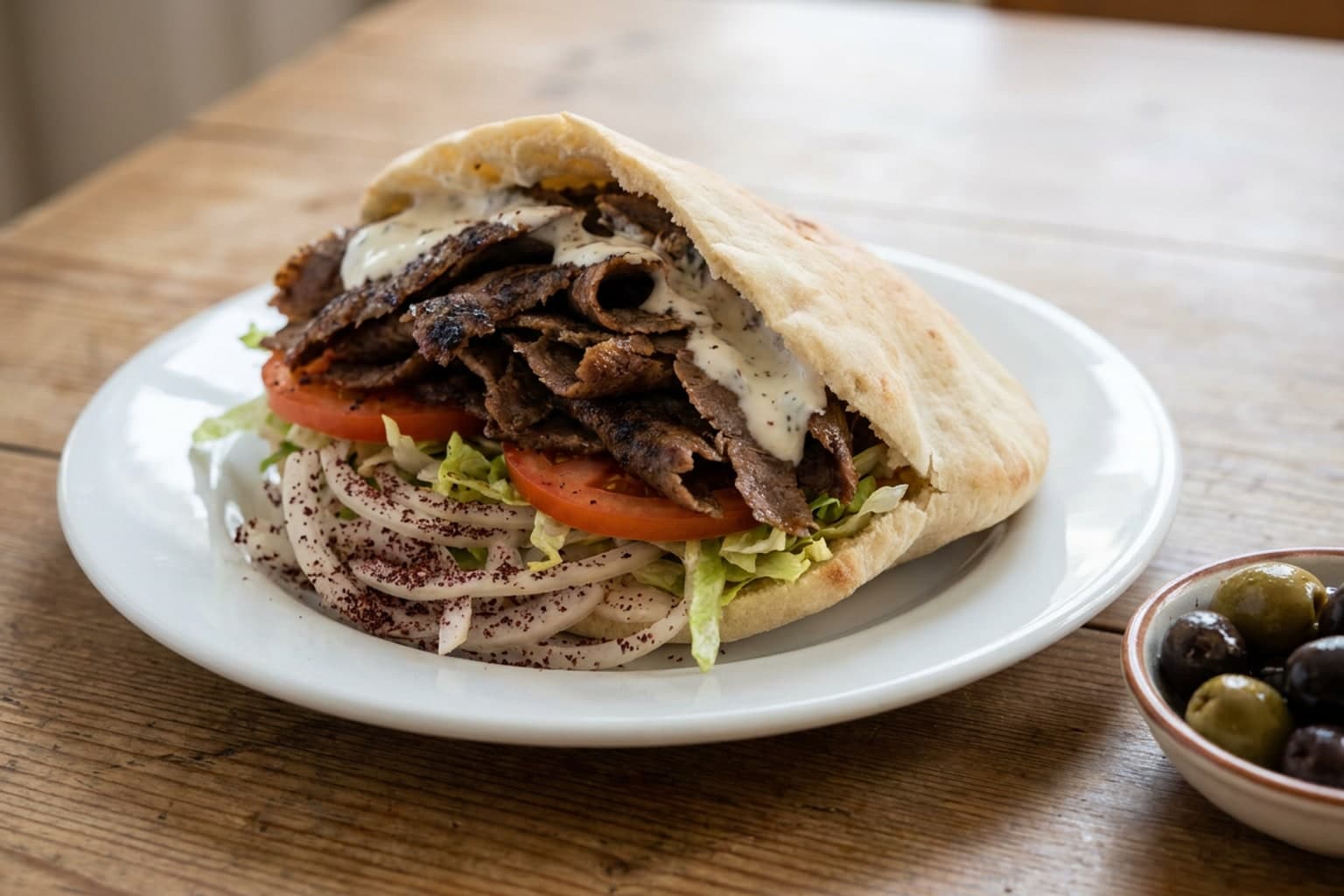
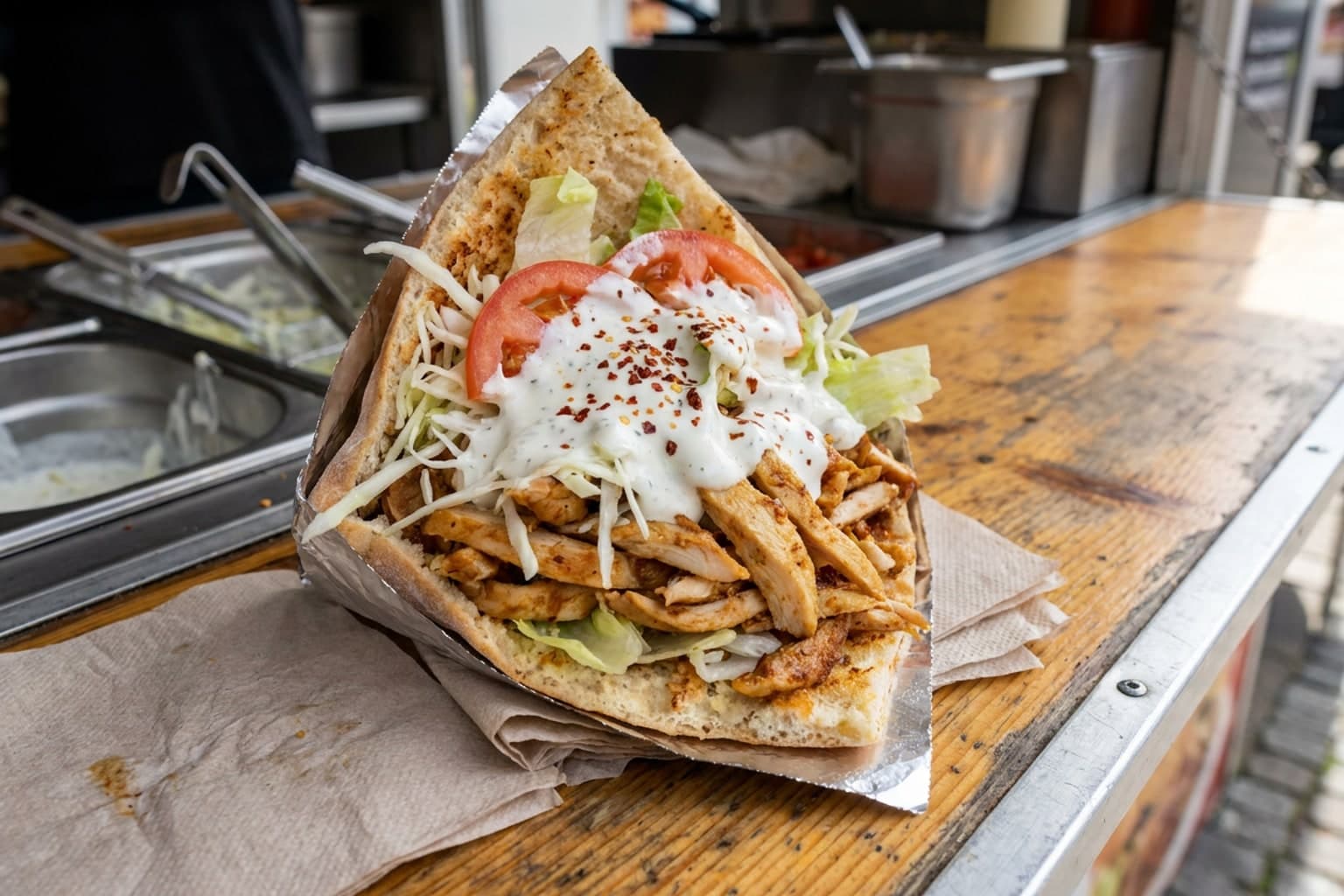
In the bustling heart of modern Berlin, the scent of roasting meat on a vertical spit is as iconic as the Brandenburg Gate. Yet, this ubiquitous street food staple, known simply as the döner kebab, represents a fascinating culinary journey that stretches far beyond the German capital. It is a story of tradition, migration, and the clever adaptation of heritage to meet the fast-paced demands of a new environment.
The traditional Turkish döner kebab has roots deeply embedded in the culinary history of the Ottoman Empire. For generations, this dish has centered on seasoned meat—typically lamb or beef—slowly rotating on a vertical rotisserie. In its original form, the meat is carved into thin, succulent slices and traditionally served on a plate, often accompanied by rice, bulgur, or fresh herbs, emphasizing the quality of the slow-roasted protein itself.
This vertical grilling technique, known for its ability to baste the meat in its own juices while achieving a perfectly crispy outer layer, is a testament to the sophistication of Turkish gastronomy. It is a dish that values patience, precision, and the harmony of spice blends that define the region's culinary identity, creating a sensory experience that has remained a centerpiece of Turkish dining culture for centuries.
When we look at the German-style döner kebab, however, we see a distinct evolution designed for a different way of life. Emerging in West Germany during the early 1970s, this version of the dish was a direct response to the needs of the Gastarbeiter, or guest workers, who were contributing to the rapid industrial growth of the nation. As these Turkish immigrants settled in urban centers like Berlin, they sought to share their culinary heritage with their new community.
The Berlin-style döner kebab evolved from the Turkish rotisserie tradition via the migration of Gastarbeiter to West Germany in the early 1970s. Rather than keeping the meal as a sit-down affair, the adaptation involved packaging the traditional meat into a handheld sandwich format with salad and sauce. This innovation was a pragmatic response to the urban working environment of Berlin, where laborers needed a hearty, high-quality meal that could be consumed on the go.
This transition changed the physical experience of the dish entirely. By incorporating fresh vegetables, crisp cabbage, and signature sauces into a pita or flatbread, the Berlin-style döner kebab transformed from a plated feast into a portable, fast-food-friendly sandwich. The bread acts as both a vessel and a contrast to the rich, fatty meat, while the cooling crunch of the salad provides a necessary balance to the intensity of the rotisserie flavor.
What is truly remarkable about this development is how it highlights the resilience and creativity of immigrant populations. The adaptation process did not strip the dish of its identity; rather, it allowed the Turkish culinary tradition to thrive in a foreign landscape, eventually becoming a cornerstone of contemporary German street food culture. It turned a cultural symbol into a common language spoken through flavor.
Ultimately, the evolution from the traditional Turkish döner kebab to the globally recognized Berlin-style döner kebab is a powerful reminder of how food acts as a cultural bridge. It represents the intersection of history and necessity, proving that when diverse communities meet, their culinary traditions can adapt to create something entirely new and enduring. Today, whether enjoyed on a quiet street in Istanbul or a busy corner in Berlin, the dish remains a testament to the enduring impact of human movement and adaptation.