A Tale of Two Kitchens: The Coincidental Chemistry of Cantonese Steamed Egg Custard and Yorkshire Pudding
The dishes
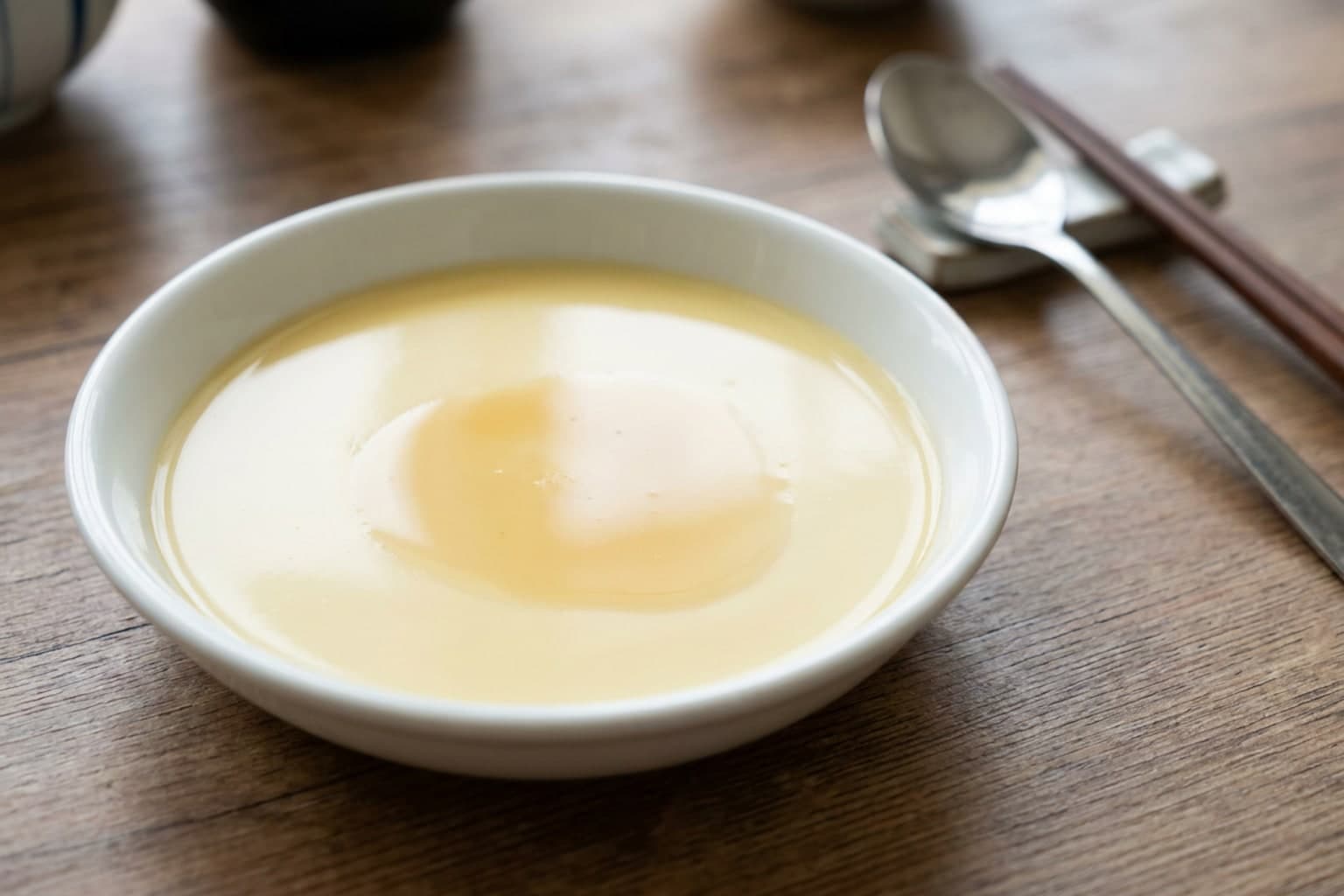
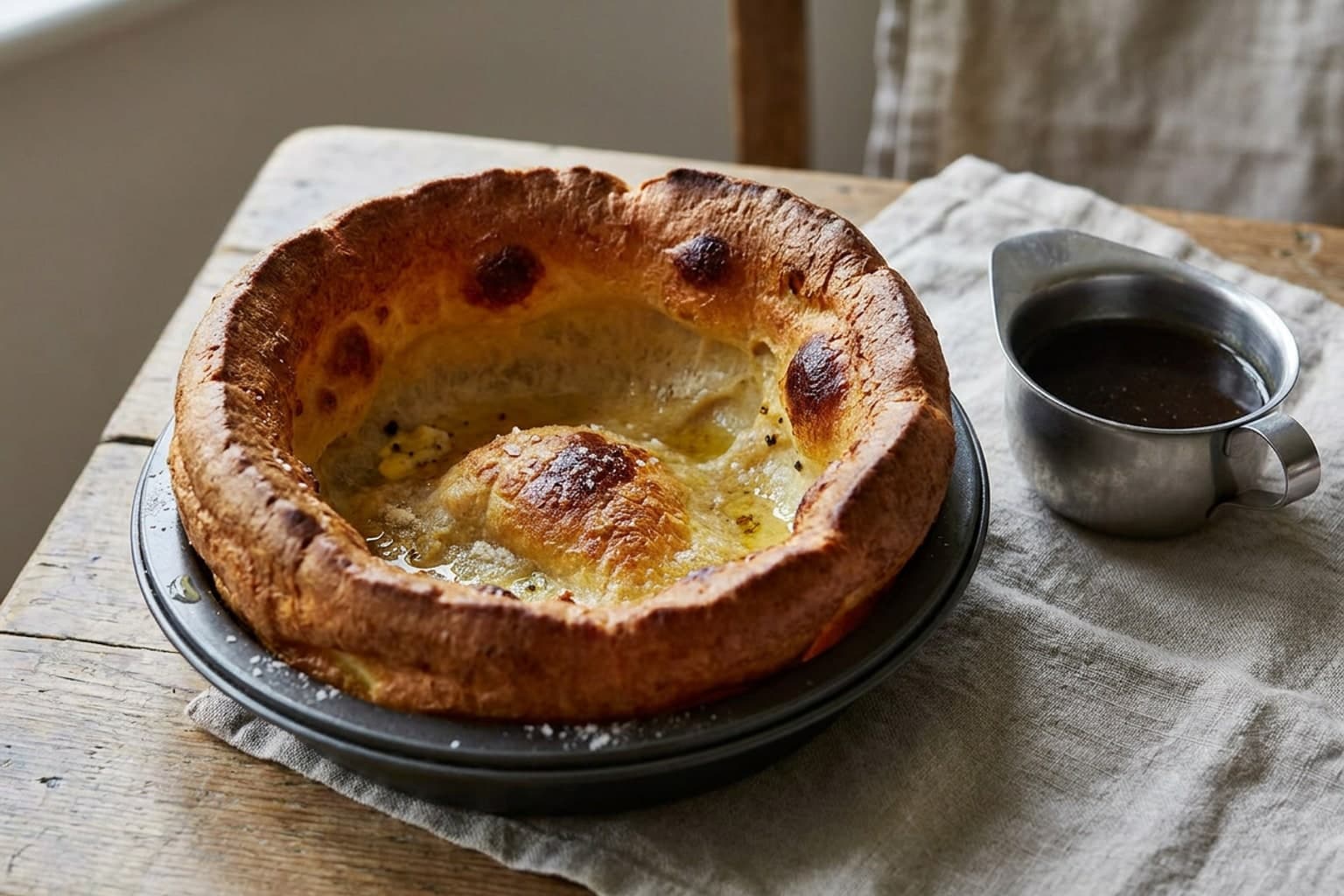
In the vast landscape of global gastronomy, certain culinary patterns emerge that seem almost poetic in their repetition. We often view the world's cuisines as distinct, separated by borders, oceans, and millennia of cultural evolution. Yet, every so often, we encounter a moment of pure serendipity where two seemingly unrelated dishes—separated by thousands of miles—share an identical DNA. Such is the case with Cantonese Steamed Egg Custard and the classic British Yorkshire Pudding. While these two dishes lead vastly different lives on the dining table, their fundamental composition tells a story of convergent evolution, where the chemistry of eggs and milk provides a universal language for chefs.
Cantonese Steamed Egg Custard, known as dan tat or more commonly as a simple, comforting steamed egg, is a cornerstone of home-style Chinese cooking. This dish is prized for its ethereal, silken texture, often served as a soothing dessert or a light meal component. Its preparation relies on a delicate balance of eggs and milk or water, whisked with precision and steamed gently until it sets into a trembling, custard-like consistency. In the culinary traditions of China, it represents the art of restraint, where the quality of the humble egg is elevated through patience and the precise control of heat, creating a dish that is deeply embedded in the comfort of Cantonese hearths.
On the other side of the globe, the Yorkshire Pudding serves as a venerable icon of British culinary identity. Traditionally served alongside a Sunday roast, this savory staple is famed for its airy, crater-like structure designed to soak up rich meat drippings. Unlike the gentle steaming process used for its Cantonese cousin, the Yorkshire Pudding demands the fierce, dry heat of an oven to achieve its dramatic rise. It is a masterpiece of texture—crispy, golden, and hollow—yet at its core, it is constructed from the very same foundational building blocks found in the silken Chinese custard: the simple, transformative combination of eggs and milk.
The striking reality is that these two dishes share a 100 percent overlap in their core ingredient profile. Despite originating from culturally distant places with no direct historical link, the convergence of eggs and milk in both the Cantonese steamer and the British oven is a profound coincidence of culinary independent development. It is essential to understand that this is not a result of cultural exchange or shared history, but rather a delightful coincidence of culinary convergence. Chefs in vastly different regions independently identified that the protein structure of eggs, when suspended in a dairy base, creates a canvas capable of infinite variation.
From a culinary science perspective, the egg-protein matrix is one of the most versatile tools in a chef's repertoire. In the case of the Cantonese Steamed Egg Custard, the gentle moisture of steam allows the egg proteins to coagulate slowly, resulting in a dense, uniform, and velvety structure. Conversely, when the Yorkshire Pudding hits the hot oil of an oven, the proteins undergo rapid expansion, trapping steam and air to create that iconic, crunchy shell. The ingredients are identical, yet the environment of the kitchen forces them to express themselves in polar opposite physical states, demonstrating how the same fuel can lead to entirely different destinations.
This realization invites us to look at our own kitchens with fresh eyes. It suggests that across human history, cooks have observed the same basic properties of ingredients and arrived at similar structural solutions to culinary problems. Whether the goal is a delicate, sweet finish to a meal or a hearty, savory companion to a roast, the limitations and possibilities of the egg and milk mixture remain consistent. It is a reminder that we are all tethered to the same biological truths of cooking, regardless of our geographic location or cultural background.
Ultimately, the pairing of Cantonese Steamed Egg Custard and Yorkshire Pudding serves as a testament to the universality of food. It is a fascinating study of how independent cultures can arrive at the same destination through different paths. By appreciating these shared foundations, we gain a deeper respect for the ingenuity inherent in human tradition. Whether you prefer the silken, gentle embrace of a steamed custard or the dramatic, crispy pull of a Yorkshire pudding, you are participating in a global history of culinary discovery that proves some combinations are simply perfect, no matter where they are cooked.