By eatmundo · July 9, 2026

Same ingredients, elsewhere in the world
1 matchThis dish doesn't have a strong Mundo Match yet — but here's the closest ingredient overlap we found across the world's cuisines. The percentage is the share of ingredients the two recipes have in common.
Same technique: Soup84 recipes from 22 countries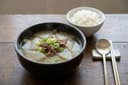
Discover the comforting warmth of Miso Soup, a fundamental staple of Japanese cuisine. This wholesome broth, rich in umami from fermented soybean paste, is gently simmered with delicate tofu cubes, rehydrated wakame seaweed, and a sprinkle of fresh spring onion for a truly authentic taste.
According to eatmundo's ingredient comparison, the closest dish to Miso Soup from another cuisine is Guk-bap (South Korea): the two share 20% of their ingredients.
Ingredients
tick what you already have - the rest goes on your shopping listHow to Make It
- 1
Prepare Wakame: Rehydrate 2g of dried wakame seaweed by placing it in a small bowl and covering it with warm water for 5 minutes. It will expand significantly, becoming soft and vibrant green. Once rehydrated, gently squeeze out any excess water and set aside.
- 2
Cut Tofu: Drain a 150g block of silken or firm tofu and gently cut it into small, uniform cubes, approximately 1 cm in size. Handling tofu delicately prevents it from crumbling too much in the soup.
- 3
Heat Dashi Stock: Pour 600ml of dashi stock into a medium saucepan and bring it to a gentle simmer over medium heat. Do not let it come to a rolling boil, as this can degrade the delicate flavors of the dashi.
- 4
Add Tofu and Wakame: Once the dashi is simmering, add the cubed tofu and rehydrated wakame seaweed to the pot. Allow them to heat through for about 1-2 minutes. The wakame will become even more tender.
- 5
Dissolve Miso Paste: Reduce the heat to low. In a small bowl, scoop 2-3 tablespoons of miso paste. Add a ladleful of the warm dashi stock to the miso and whisk until the paste is fully dissolved and smooth. This tempering step prevents the miso from clumping in the soup.
- 6
Incorporate Miso: Gently pour the dissolved miso mixture back into the saucepan with the dashi, tofu, and wakame. Stir carefully to combine. It is crucial *not* to boil the soup once the miso is added, as high heat destroys miso's beneficial probiotics and delicate flavor.
- 7
Garnish and Serve: Ladle the hot miso soup into two individual serving bowls. Garnish each bowl generously with finely sliced spring onion (about 1 tablespoon per bowl) for a fresh, aromatic finish. Serve immediately as a comforting accompaniment to any Japanese meal.
Frequently Asked Questions
What is miso soup?
Miso soup is a traditional Japanese soup consisting of a dashi stock mixed with softened miso paste. It typically includes ingredients such as tofu, wakame seaweed, and spring onions, and is commonly served as a staple accompaniment to meals throughout the day.
What type of tofu is best for miso soup?
Silken tofu is the best choice because its smooth, delicate texture absorbs the broth well and provides the classic mouthfeel.
Why shouldn't I boil the miso paste?
Boiling miso kills the beneficial probiotics and ruins its delicate aroma, so always whisk it into the broth after reducing the heat to low, without letting the soup boil.
How much dried wakame should I use?
Use 2g of dried wakame, as it expands significantly once rehydrated in warm water.
Can I substitute instant dashi powder for homemade stock?
Yes, instant dashi powder is a common and acceptable substitute that provides a quick, savory umami base for your soup.