🇪🇸 Spain · Food
Chocolate con Porras (Thick Hot Chocolate with Porras)
By eatmundo · July 7, 2026
 🇪🇸 ES
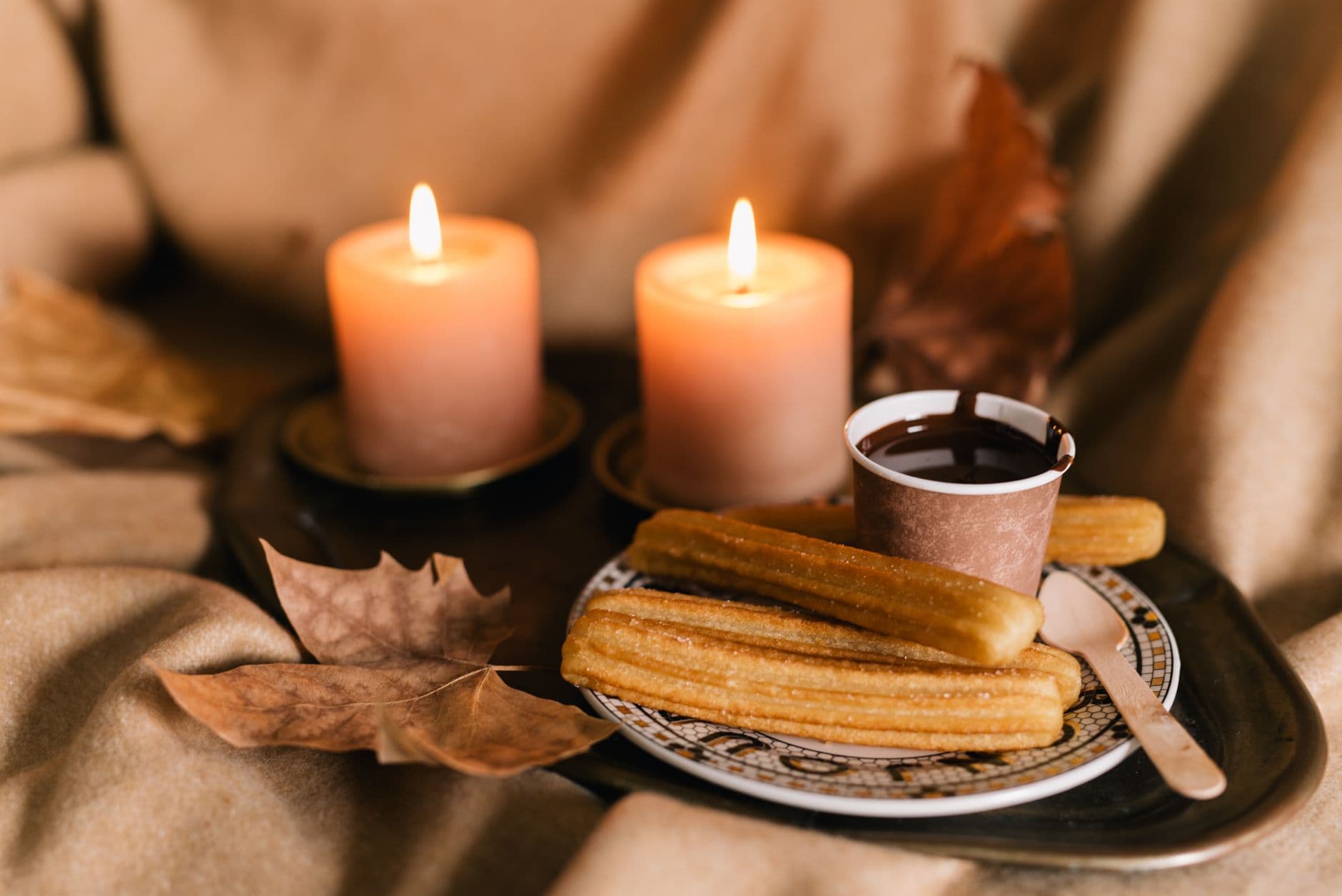
🇪🇸 ESA classic Spanish breakfast or afternoon snack, Chocolate con Porras features long, thick, and lightly crispy fried dough (porras) served with a rich, velvety hot chocolate. Unlike churros, porras are thicker and usually straight, offering a more substantial bite perfect for dipping into the intensely flavored, almost spoonable chocolate. It's a comforting and indulgent treat, especially on a chilly day.
Ingredients
check them off as you prepareHow to Make It
- 1
For the porras: In a medium saucepan, bring 300ml of water and 1/2 teaspoon of salt to a rolling boil over high heat. Make sure the salt is fully dissolved. This hot water is crucial for creating the perfect porras dough.
- 2
Once the water is boiling, remove the saucepan from the heat and immediately add 250g of all-purpose wheat flour all at once. Stir vigorously with a strong wooden spoon or spatula until a thick, uniform dough forms that pulls away from the sides of the pan. This will take about 1-2 minutes of intense mixing.
- 3
Transfer the hot dough into a sturdy pastry bag fitted with a large star nozzle (or a plain round nozzle if you prefer slightly less ridged porras). Be careful as the dough will be very hot. Ensure the bag is strong enough to withstand the pressure.
- 4
Heat 500ml of olive oil in a deep frying pan or pot to 180°C (350°F). If you don't have a thermometer, a small piece of dough should sizzle and float to the surface immediately. Carefully pipe long strips of porra dough, about 15-20 cm (6-8 inches) in length, directly into the hot oil. Work in batches to avoid overcrowding the pan.
- 5
Fry the porras for 3-5 minutes per side, or until they are deeply golden brown and crispy. Use tongs or a slotted spoon to turn them gently. Once cooked, remove the porras from the oil and place them on a plate lined with paper towels to drain excess oil. While still warm, you can lightly dust them with granulated sugar if desired.
- 6
For the hot chocolate: In a separate saucepan, combine 500ml of whole milk with 1 tablespoon of cornstarch, whisking well until the cornstarch is fully dissolved and there are no lumps. This ensures a smooth, thick chocolate.
- 7
Break 150g of dark chocolate (70% cocoa) into small pieces and add them to the milk and cornstarch mixture. Heat over medium-low heat, stirring constantly with a whisk, until the chocolate has fully melted and the mixture begins to thicken to a luscious, spoonable consistency, about 5-8 minutes. Adjust sweetness with sugar if preferred.
- 8
Serve the hot, freshly fried porras immediately alongside cups of the thick, rich hot chocolate. Encourage everyone to dip the warm porras directly into the chocolate for a truly authentic and satisfying Spanish experience!
Frequently Asked Questions
What is Chocolate con Porras?+
Chocolate con Porras is a Spanish breakfast or snack consisting of thick, melted dark chocolate served with fried, long wheat-flour dough sticks. The dough is typically made with wheat flour, water, and salt, then fried in olive oil, while the chocolate is thickened with cornstarch.
What is the difference between porras and churros?+
Porras are typically thicker, straighter, and have a smoother exterior with fewer ridges than churros. Their dough is often made with a slightly higher water content, resulting in a slightly different texture that is still crispy on the outside and wonderfully fluffy inside.
How do I achieve the characteristic thick Spanish hot chocolate?+
The key to thick Spanish hot chocolate is using a good quality dark chocolate with a high cocoa content and incorporating a small amount of cornstarch (maicena) into the milk. Continuous whisking over medium-low heat also helps prevent lumps and promotes even thickening.
Can I prepare the porras dough in advance?+
It is best to fry porras fresh, as the texture is at its peak immediately after frying. However, you can prepare the dough up to a few hours in advance and keep it covered at room temperature. For optimal crispiness, frying just before serving is recommended.
What kind of oil is best for frying porras?+
Olive oil is traditionally used for frying porras in Spain, imparting a subtle, characteristic flavor. You can use a neutral vegetable oil like sunflower or canola oil as an alternative, but olive oil is preferred for authenticity.
🇪🇸 ESMundo Match
This dish doesn't have a strong Mundo Match yet — but here's the closest ingredient overlap we found across the world's cuisines.